1. Introduction to Electrical Systems
Electrical systems are the backbone of modern industry, powering everything from simple home appliances to massive industrial machinery. These systems consist of interconnected components designed to generate, distribute, and control electrical energy. Understanding how electrical systems function is crucial for engineers, electricians, and technicians who work in fields ranging from construction to energy production.
2. Basic Concepts of Electricity
Before diving into complex systems, it’s essential to understand the basic principles of electricity:
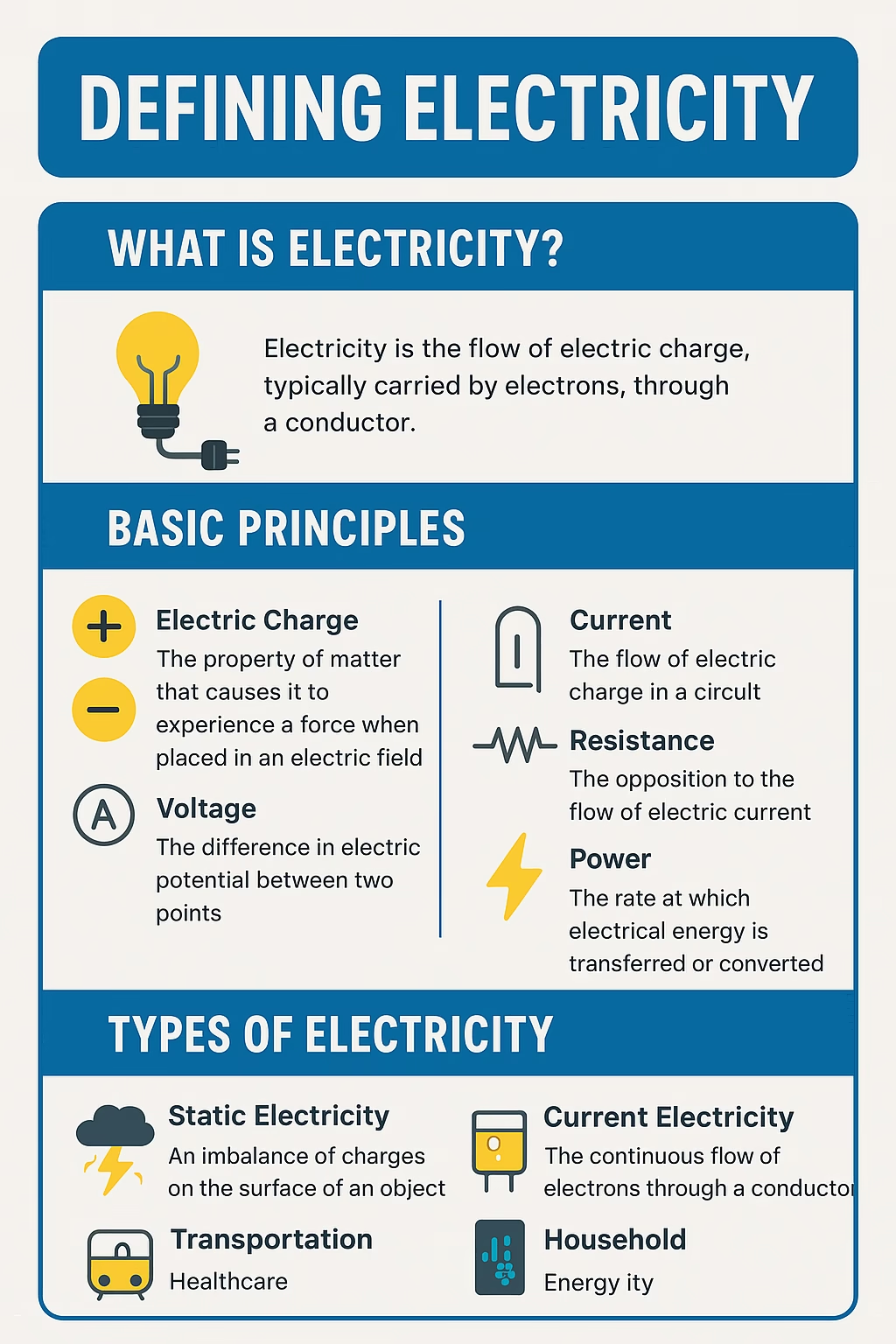
- Voltage (V): The electrical potential difference between two points.
- Current (I): The flow of electric charge, measured in amperes (A).
- Resistance (R): The opposition to current flow, measured in ohms (Ω).
- Power (P): The rate at which electrical energy is transferred, measured in watts (W).
Ohm’s Law (V = IR) forms the foundation of most electrical calculations.
Read More: Basic Concepts of Electricity: A Complete Beginner’s Guide
3. Key Components of Electrical Systems
An electrical system consists of various elements that work together to perform energy transmission and control:
a. Power Source
This is where electrical energy originates. It may be:
- Batteries (DC source)
- Generators
- Power grids (AC supply)
b. Conductors
Wires or cables (usually copper or aluminum) that transport electricity from one component to another.
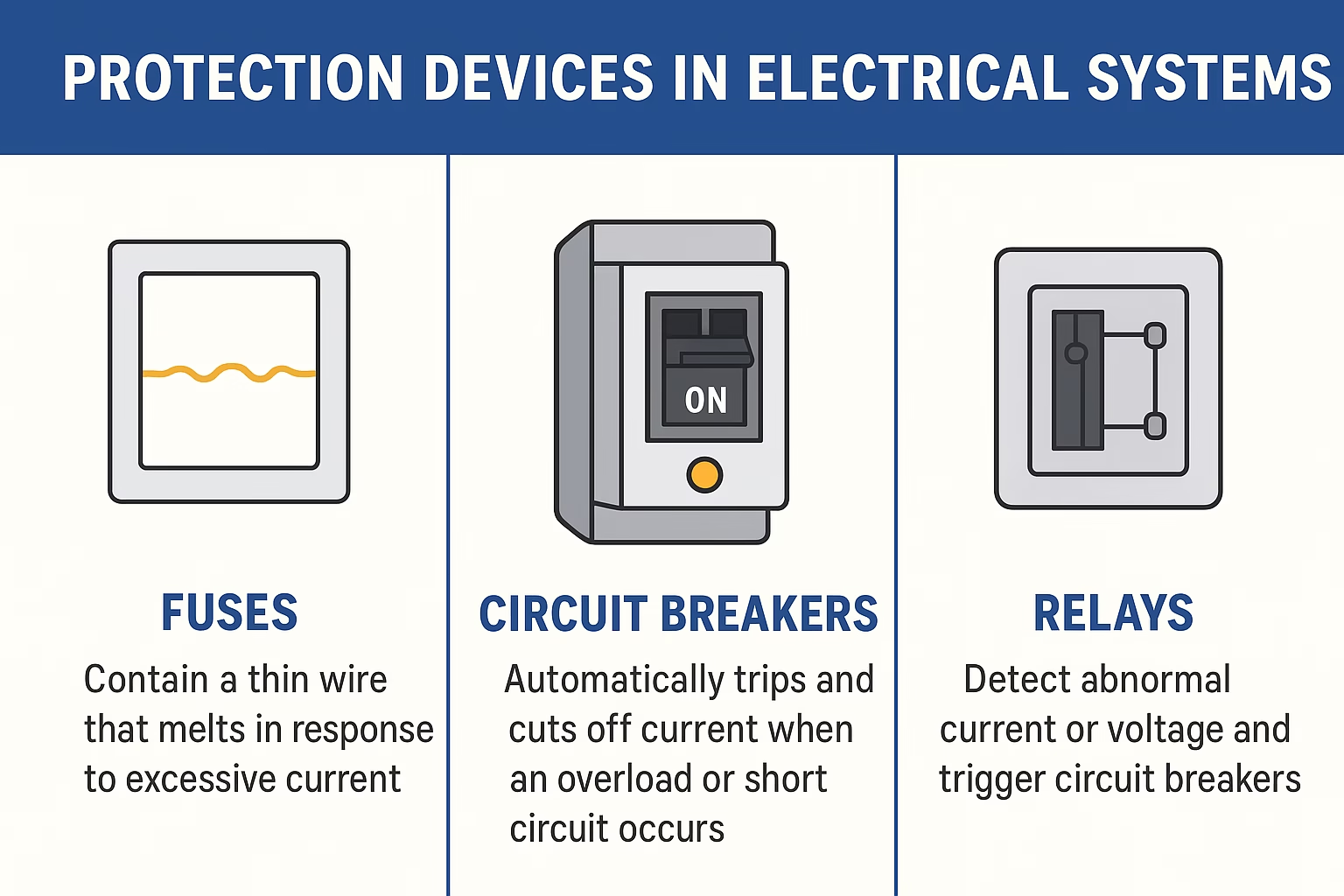
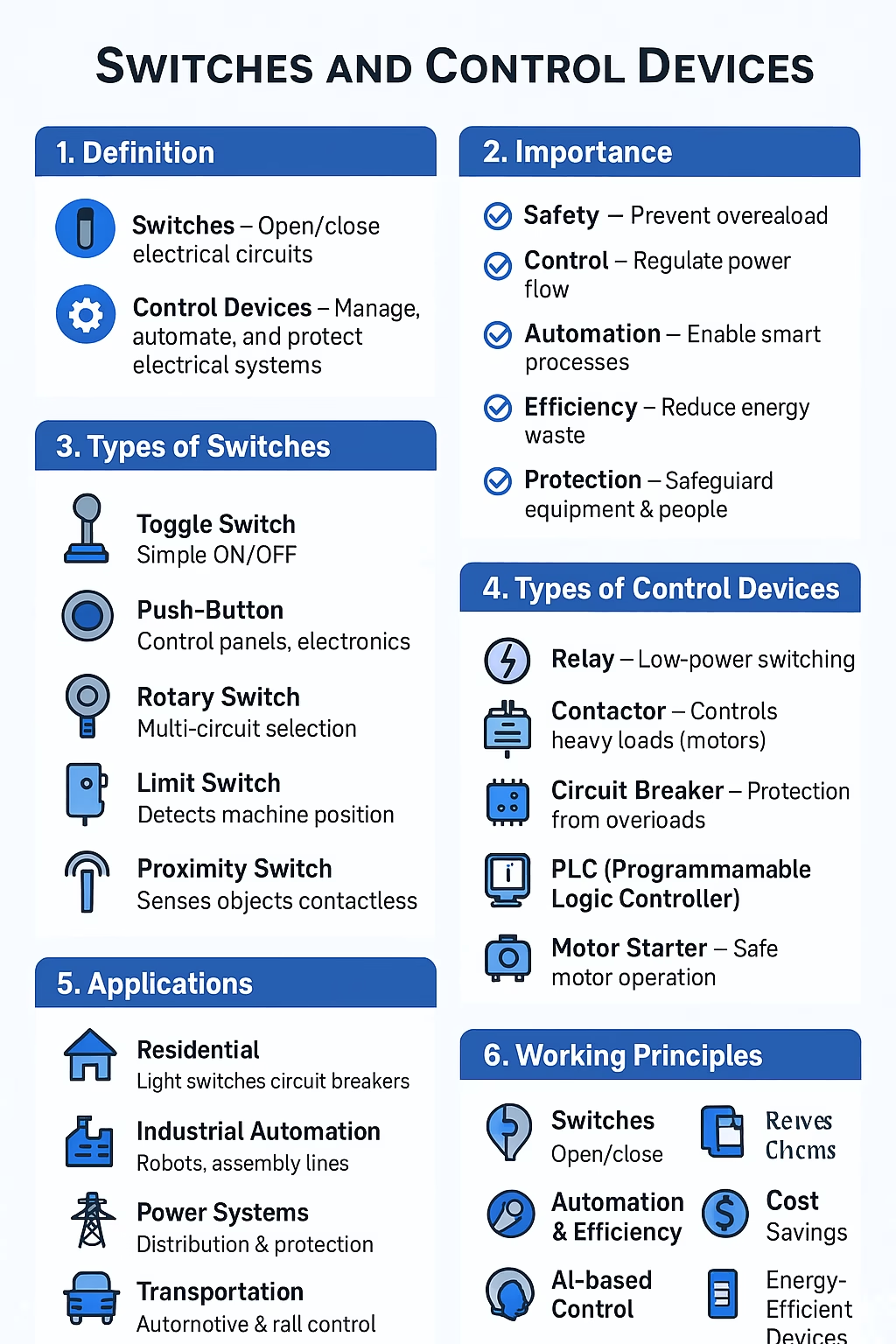
c. Switches and Breakers
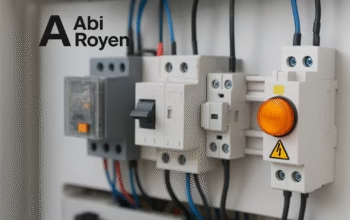
Used to control and protect circuits. Circuit breakers automatically interrupt power flow during overloads.
d. Transformers
Transformers change the voltage levels, stepping up or stepping down the supply to suit different devices or transmission needs.
e. Loads
Electrical devices that consume power, such as motors, lights, and electronic equipment.
f. Control Devices
These include relays, contactors, timers, and programmable logic controllers (PLCs) used in automation and industrial control systems.
Read More: Understanding the Essential Components of Electrical Systems: A Complete Guide
4. Types of Electrical Systems
Electrical systems can be broadly categorized into the following:
a. Residential Electrical Systems
These systems power homes and small buildings, typically using single-phase power with a standard voltage (110V or 220V depending on the country).
b. Commercial Electrical Systems
Used in offices, malls, and high-rise buildings. They involve larger loads and require three-phase power distribution for efficiency.
c. Industrial Electrical Systems
These are complex systems involving heavy machinery, automation, and large-scale energy management. They include:
- Motor control centers
- Substations
- High-voltage equipment
- SCADA systems
Read More: Types of Electrical Systems: A Comprehensive Guide
5. Electrical Power Distribution
The distribution system is responsible for delivering electricity from the source to the end-users. It includes:
- Transmission Lines: High-voltage lines that carry power across long distances.
- Distribution Lines: Lower voltage lines delivering electricity to homes and businesses.
- Substations: Intermediate stations where voltage is transformed for further distribution.
Read More: Electrical Power Distribution: Principles, Components, and Applications
6. Safety in Electrical Systems
Electrical system must be designed and operated with safety in mind:
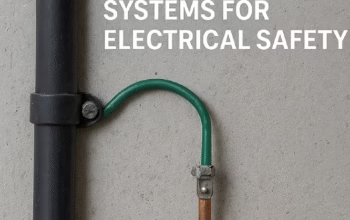
- Grounding Systems: Prevents dangerous voltages from affecting equipment or users.
- Fuses and Breakers: Automatically cut power in fault conditions.
- Insulation: Prevents current leakage and short circuits.
- Lockout/Tagout (LOTO): A safety protocol used during maintenance.
Read More: Safety in Electrical Systems: Essential Practices for Protection and Reliability
7. Electrical Standards and Regulations
Compliance with local and international standards is mandatory for safety and performance. Some common standards include:
- IEC (International Electrotechnical Commission)
- IEEE (Institute of Electrical and Electronics Engineers)
- NEC (National Electrical Code – USA)
- SNI (Indonesian National Standard)
Read More: Electrical Standards and Regulations: Ensuring Safety and Compliance in Electrical Systems
8. Modern Trends in Electrical Systems
With the rise of Industry 4.0 and green technology, electrical system are rapidly evolving:
a. Smart Grids
Digitally controlled power distribution networks that optimize energy flow in real-time.
b. Renewable Integration
Electrical systems now accommodate solar panels, wind turbines, and energy storage systems.
c. Automation and IoT
Industrial electrical system are increasingly integrated with sensors, controllers, and cloud-based monitoring systems.
d. Energy Efficiency
Efficient motors, LED lighting, and intelligent control systems help reduce energy consumption.
Read More: Modern Trends in Electrical Systems: Innovations Shaping the Future of Power

9. Applications of Electrical Systems in Industry
Electrical system are essential across many sectors:
- Manufacturing: Motors, conveyor systems, robotics.
- Oil and Gas: Pumps, drilling rigs, SCADA systems.
- Marine and Offshore: Navigation, lighting, and communication systems.
- Transportation: Electric vehicles, trains, and aircraft.
- Power Plants: Generation, control, and distribution of electricity.
Read More: Applications of Electrical Systems in Industry: Driving Efficiency and Innovation
10. Careers in Electrical Systems
Professions in the electrical field are diverse and in high demand. Common roles include:
- Electrical Engineer
- Control Systems Technician
- Maintenance Electrician
- PLC Programmer
- Power Systems Analyst
Each of these roles requires specialized knowledge of electrical system and their applications.
Read More: Careers in Electrical Systems: Opportunities, Skills, and Future Trends
11. Troubleshooting and Maintenance
Maintenance ensures optimal performance and reduces downtime. Troubleshooting electrical systems involves:
- Inspecting wiring and connections
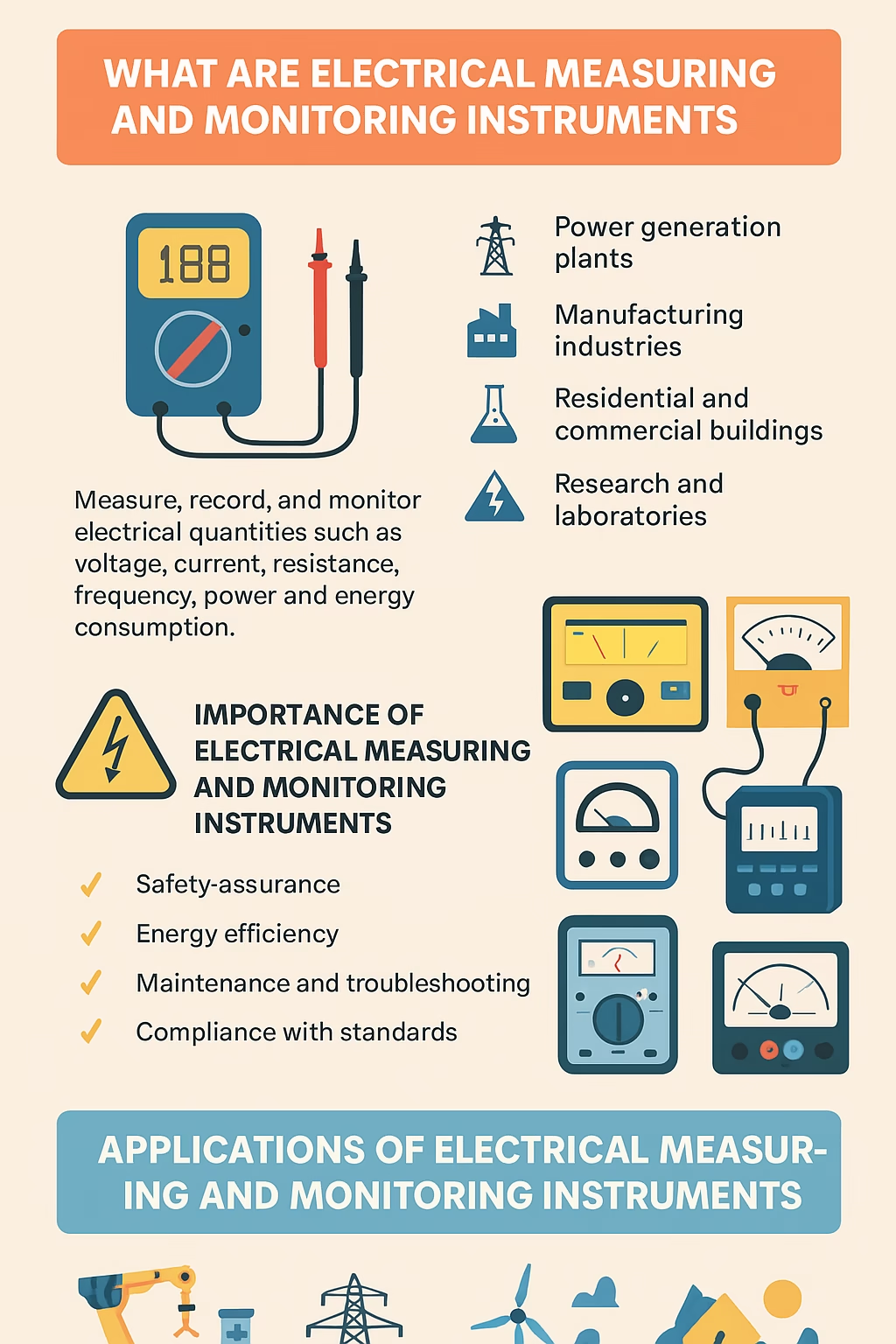
- Measuring voltage, current, and resistance
- Using tools like multimeters, insulation testers, and oscilloscopes
- Replacing faulty components
Preventive maintenance strategies can extend the life of electrical infrastructure.
Read More:
Troubleshooting Electrical System: Troubleshooting Electrical Systems: A Complete Guide for Technicians and Engineers
Maintenance Electrical System: Comprehensive Guide to Maintenance of Electrical Systems: Ensuring Safety and Reliability
12. Conclusion
Electrical systems are a cornerstone of modern technology and infrastructure. From basic wiring to advanced automation, they play a critical role in residential, commercial, and industrial environments. As technology advances, electrical system are becoming more intelligent, efficient, and integrated, opening up new possibilities in energy management and control.