In the world of electricity and electronics, conductors play a vital role in enabling the smooth flow of electric current. From power lines to the circuit boards in your devices, conductor are fundamental building blocks in all electrical systems. But what exactly are conductors? How do they work, and why are some materials better conductor than others?
This article explores everything you need to know about electrical conductor — their definition, types, essential properties, and common applications in the real world.
🔌 What is an Electrical Conductor?
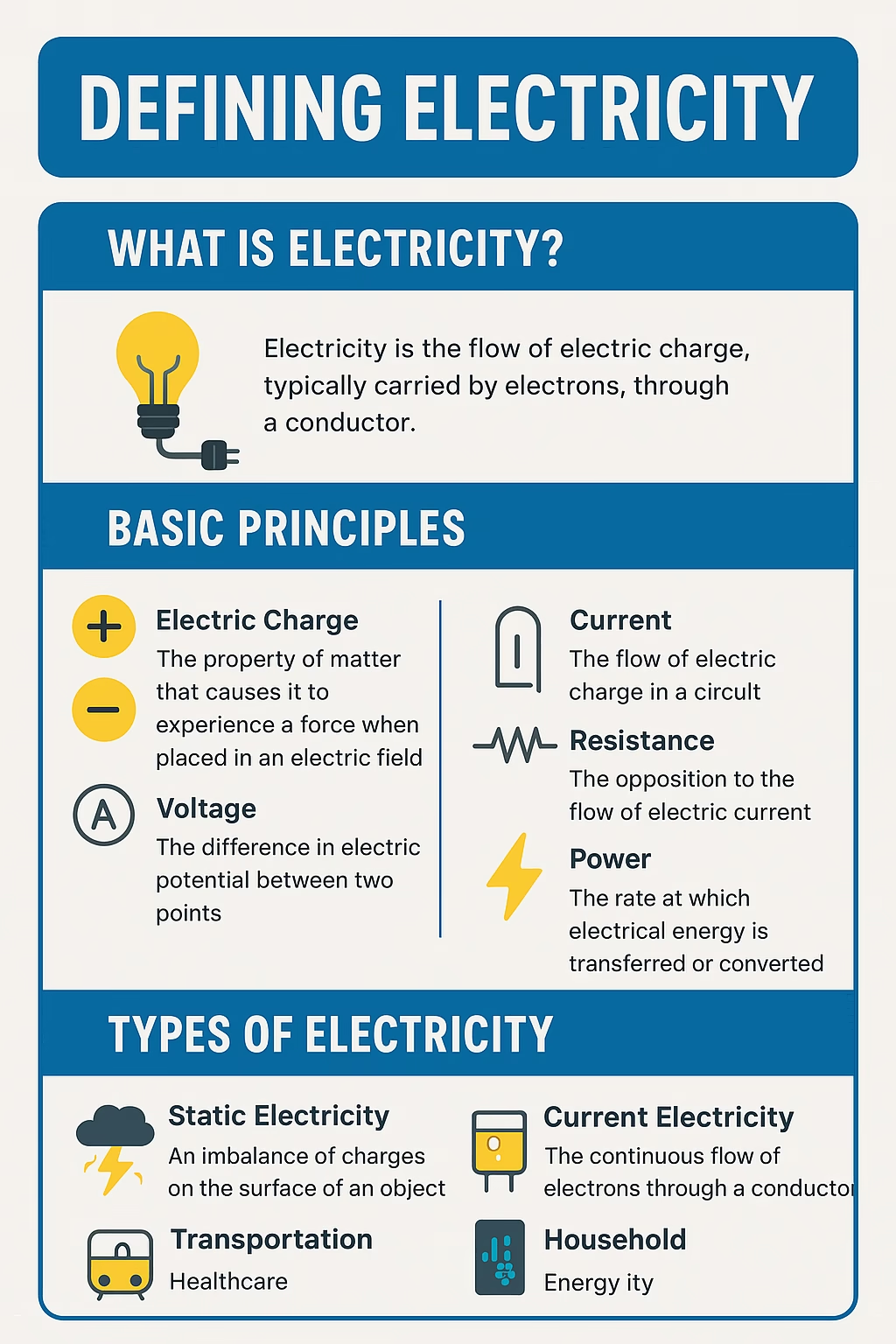
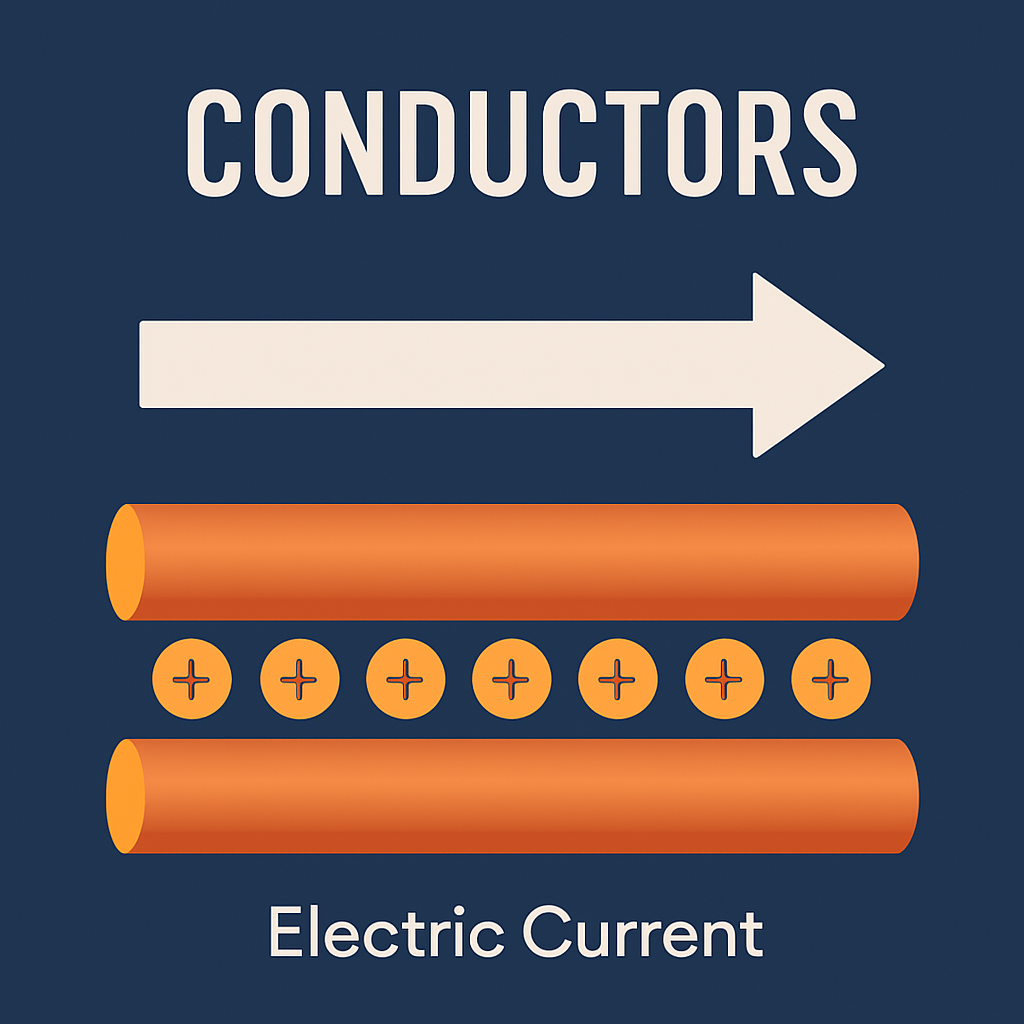
An electrical conductor is any material that allows the flow of electric charge, typically in the form of electrons. In simpler terms, it’s a substance through which electricity can pass easily.
This flow of electricity happens because of the free electrons present in the outer shell of the material’s atoms. These free electrons move when voltage is applied, allowing current to flow through the conductor.
Common examples of conductors:
- Copper
- Aluminum
- Silver
- Gold
- Iron
- Sea water (contains conductive ions)
🧪 Properties of Good Electrical Conductors
To be effective in electrical systems, conductor must possess certain physical and electrical properties:
1. High Electrical Conductivity
The ability of a material to carry electric current with minimal resistance is critical. Materials like copper and silver are top choices due to their excellent conductivity.
2. Low Resistance
Resistance slows down the flow of current and causes energy loss. A good conductor has low resistivity, reducing energy losses in the system.
3. Ductility
Conductor must be able to be drawn into wires without breaking. Ductility ensures the material can be shaped for various electrical applications.
4. Corrosion Resistance
For long-lasting performance, conductor should resist rust or oxidation, especially in outdoor environments.
5. Thermal Conductivity
Good electrical conductors often also conduct heat well. This property is important in applications where heat dissipation is required.
🧲 Common Types of Conductors
Conductor are categorized based on the material used. Let’s look at the most commonly used types:
⚙️ 1. Copper Conductors
- Best balance of conductivity, ductility, and cost
- Widely used in house wiring, motors, generators, and transformers
- Resistant to corrosion and easy to solder
⚙️ 2. Aluminum Conductors
- Lighter and cheaper than copper
- Used in power transmission lines
- Requires special connectors due to its higher resistance and oxidation
⚙️ 3. Silver Conductors
- Best conductor of electricity
- Very expensive, used in high-precision electronics and aerospace
- Often used in microcircuits
⚙️ 4. Gold Conductors
- High conductivity and excellent corrosion resistance
- Used in connectors, switch contacts, and semiconductor
⚙️ 5. Iron and Steel Conductors
- High mechanical strength
- Used where durability is more important than conductivity (e.g., overhead earth wires)
📊 Comparison Table of Common Conductors
| Material | Conductivity (Relative to Copper) | Cost | Common Uses |
|---|---|---|---|
| Silver | 105% | High | Precision electronics |
| Copper | 100% | Medium | Wiring, motors, electronics |
| Gold | 70% | Very High | Connectors, microchips |
| Aluminum | 61% | Low | Power transmission lines |
| Iron | 17% | Low | Structural electrical uses |
⚡ Applications of Conductors
Electrical conductor are used in a wide range of systems, including:
🔹 1. Power Transmission
Aluminum and copper conductors are extensively used to transmit electricity from power plants to homes and industries.
🔹 2. Internal Wiring
Copper wires are the go-to choice for electrical installations in buildings and electronic devices.
🔹 3. Printed Circuit Boards (PCBs)
PCBs use conductive paths made from copper to link electronic components.
🔹 4. Automotive and Aerospace
Special conductors like silver or gold are used in high-reliability systems where performance is critical.
🔹 5. Telecommunication
Fiber optic cables carry light signals, but copper still plays a role in traditional telephone and DSL lines.
🧠 Why Copper is the Most Widely Used Conductor
Copper hits the sweet spot between performance and price. While silver conducts electricity slightly better, its cost is prohibitive. Aluminum is cheaper but less conductive and harder to work with. Copper’s excellent balance makes it the top choice across industries.
Key advantages of copper:
- High electrical conductivity
- Easy to solder
- Good mechanical strength
- Widely available
📉 What Happens When Poor Conductors are Used?
Using materials with poor conductivity (like rubber, plastic, or wood) in place of proper conductor can result in:
- Overheating and fire risk
- Equipment failure
- Power losses
- Safety hazards
That’s why insulators like plastic or rubber are used to cover conductors — they block electricity and keep the system safe.
🧮 Fun Fact: Conductivity is Measured in Siemens (S)
The unit of electrical conductance is the Siemens (S), named after German inventor Werner von Siemens. Materials with high Siemens values conduct electricity better.
🧰 Choosing the Right Conductor for Your Project
When designing or installing an electrical system, choosing the right conductor depends on:
- Current requirements
- Environmental conditions
- Mechanical strength needed
- Cost constraints
- Regulatory standards
For example, aluminum may be preferred for long-distance high-voltage transmission, while copper is ideal for home and industrial wiring.
🧭 Conclusion: Conductors Keep the World Connected
Electrical conductor are more than just wires — they’re the backbone of the modern electrical and electronic world. From homes to hospitals, satellites to smartphones, the reliable flow of electricity depends on the materials chosen to carry it.
Understanding the types, properties, and uses of conductors not only helps in selecting the right materials for engineering projects but also promotes safer, more efficient systems. Whether you’re an electrical engineer, technician, or enthusiast, a strong grasp of conductor is essential knowledge in today’s tech-driven world.
📌 Want to Learn More?
Explore other related topics on Abi Royen’s website, including insulators, basic electrical components, and electrical safety tips.