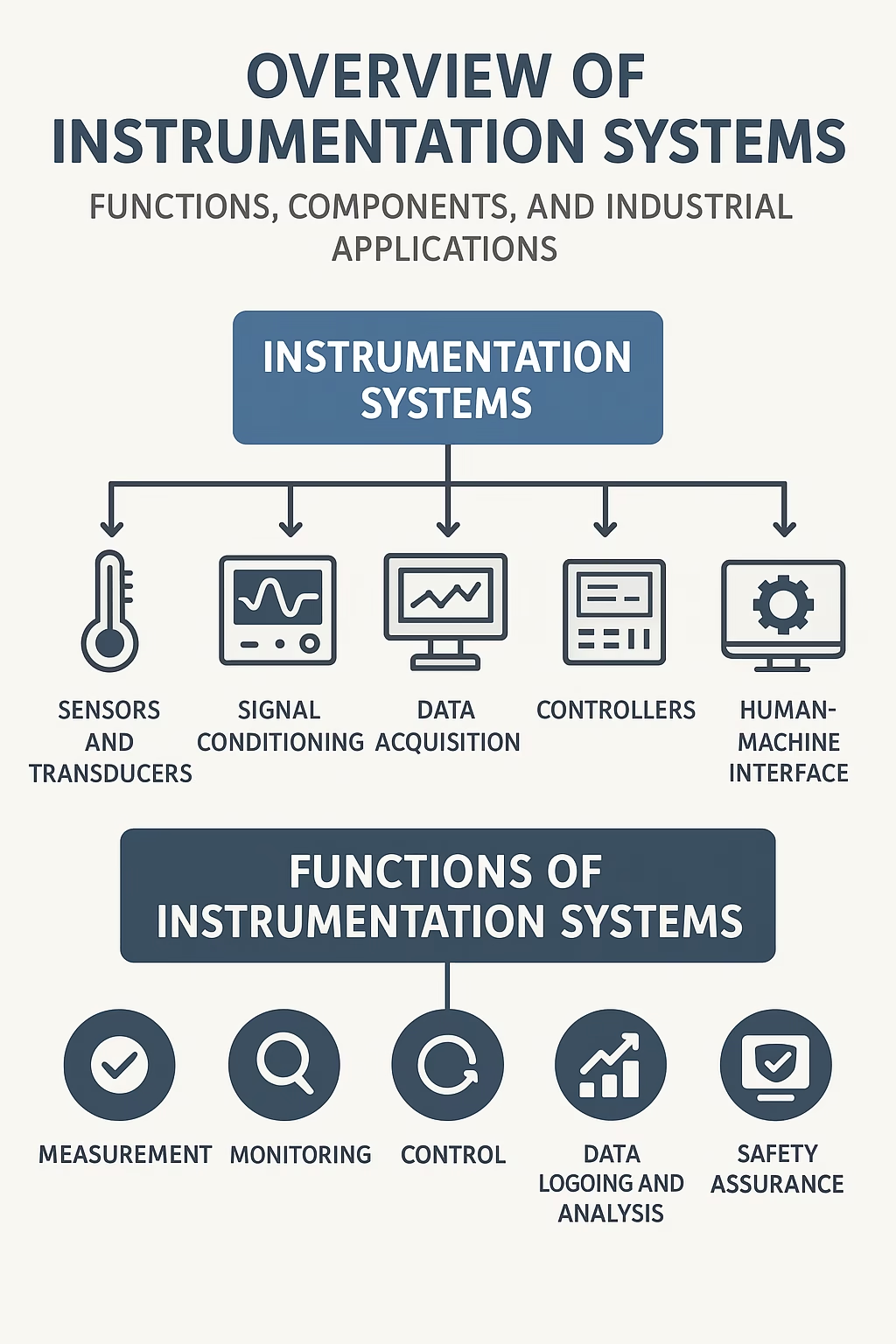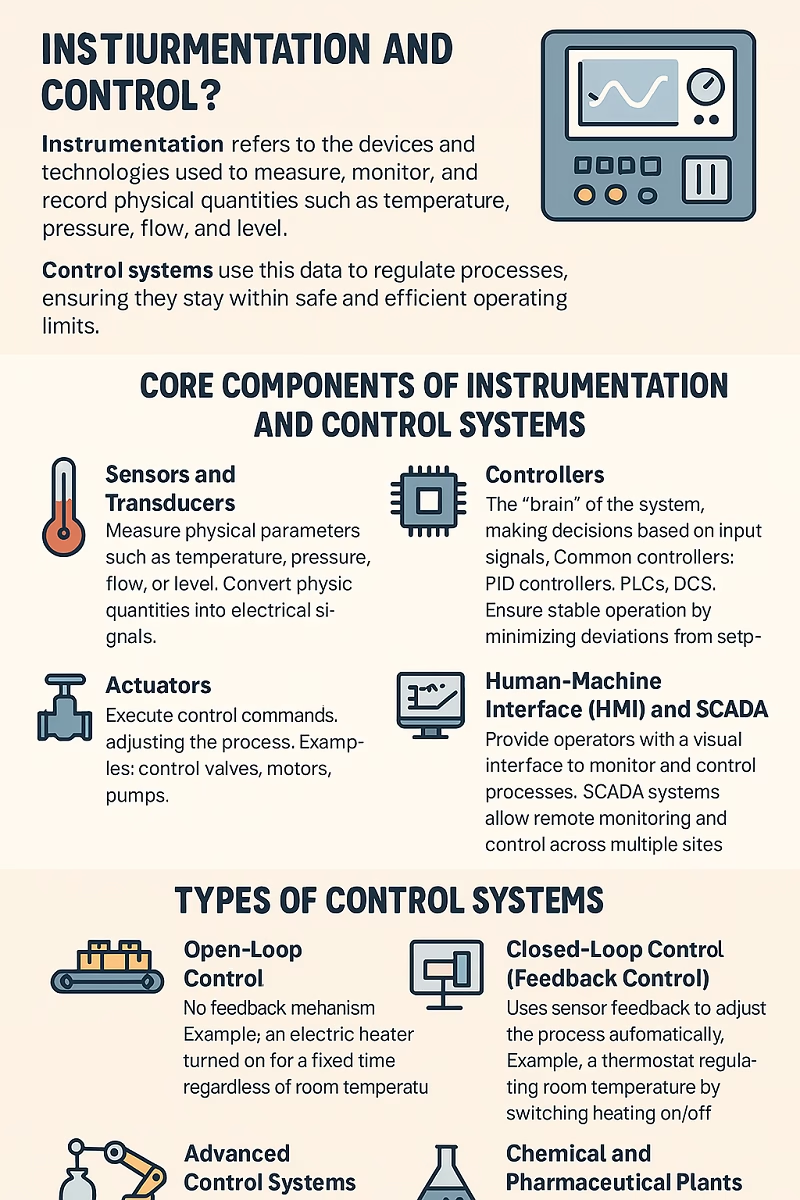

Challenges in Instrumentation ~ Instrumentation plays a vital role in modern industries, from manufacturing and power generation to oil and gas, water treatment, and pharmaceuticals. It ensures accurate measurement, control, and monitoring of processes, enabling efficiency, safety, and regulatory compliance. However, implementing and maintaining effective instrumentation systems comes with various challenges that engineers, technicians, and operators must address.
In this article, we will explore the key challenges in instrumentation, their root causes, and proven strategies to overcome them.
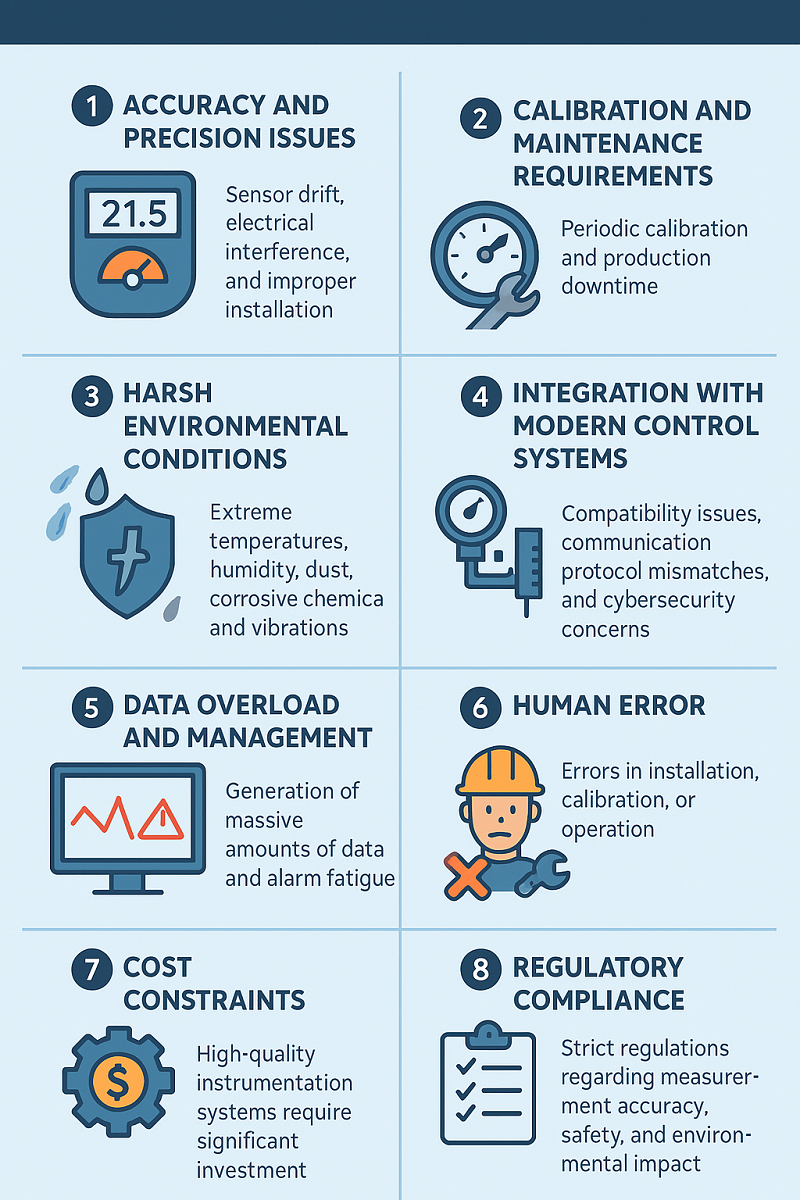
1. Challenges in Instrumentation: Accuracy and Precision Issues
The Challenge
One of the primary functions of instrumentation is to provide accurate and reliable data. Even minor deviations in measurements can lead to inefficiencies, safety risks, and financial losses. Factors such as sensor drift, electrical interference, and improper installation can affect measurement accuracy.
Example
In a chemical processing plant, a temperature sensor reading just 2°C higher than the actual value can lead to improper chemical reactions, wasted resources, and product rejection.
How to Overcome It
- Use high-quality, industry-certified sensors.
- Regularly calibrate instruments according to manufacturer recommendations.
- Implement redundant measurements for critical processes.
- Ensure proper installation and shielding to reduce electrical noise.
2. Challenges in Instrumentation: Calibration and Maintenance Requirements
The Challenge
Instrumentation devices require periodic calibration to maintain accuracy over time. This process can be time-consuming and may require production downtime, especially in industries that run 24/7.
Example
Flow meters in a water treatment facility may lose accuracy due to mineral deposits, requiring frequent recalibration to meet environmental compliance.
How to Overcome It
- Develop a predictive maintenance schedule based on usage and environmental conditions.
- Use self-calibrating instruments when possible.
- Train staff on proper calibration techniques to minimize downtime.
3. Challenges in Instrumentation: Harsh Environmental Conditions
The Challenge
Many industrial environments expose instruments to extreme temperatures, humidity, dust, corrosive chemicals, and vibrations. These conditions can degrade sensors, cables, and electronic components.
Example
In offshore oil platforms, instruments face constant exposure to saltwater spray, leading to rapid corrosion and signal degradation.
How to Overcome It
- Select instruments with IP-rated enclosures for dust and water resistance.
- Use corrosion-resistant materials such as stainless steel or special coatings.
- Install protective housings and vibration dampers.
4. Challenges in Instrumentation: Integration with Modern Control Systems
The Challenge
As industries adopt digital transformation and Industry 4.0 principles, integrating legacy instruments with advanced control and monitoring systems can be challenging. Compatibility issues, communication protocol mismatches, and cybersecurity concerns often arise.
Example
A manufacturing plant may have older analog pressure transmitters that are incompatible with modern digital PLC-based systems without additional converters.
How to Overcome It
- Use signal converters and protocol translators to bridge the gap.
- Plan gradual system upgrades instead of replacing everything at once.
- Ensure cybersecurity measures are implemented during integration.
5. Challenges in Instrumentation: Data Overload and Management
The Challenge
Modern instrumentation generates massive amounts of data. Without proper data management, important insights can be lost in the noise, and operators may experience “alarm fatigue.”
Example
In a refinery, hundreds of sensors continuously feed data to the control room, but without proper filtering and analysis, operators may miss critical warnings.
How to Overcome It
- Implement smart analytics software to filter and prioritize data.
- Set clear alarm thresholds to reduce unnecessary alerts.
- Train operators to interpret data trends effectively.
6. Challenges in Instrumentation: Human Error
The Challenge
Even with advanced technology, human errors in installation, calibration, or operation can compromise instrumentation performance.
Example
Incorrect wiring during sensor installation can lead to inaccurate readings or complete system failure.
How to Overcome It
- Provide regular training for all personnel handling instrumentation.
- Use clear documentation and installation guides.
- Apply automation to reduce manual intervention in critical processes.
7. Challenges in Instrumentation: Cost Constraints
The Challenge
High-quality instrumentation systems require significant investment. Some companies may opt for cheaper alternatives, which can lead to higher maintenance costs and shorter lifespans.
Example
Choosing low-cost flow meters may result in frequent breakdowns, leading to production losses and unplanned maintenance.
How to Overcome It
- Consider total cost of ownership instead of just purchase price.
- Invest in durable and reliable equipment that reduces long-term costs.
- Explore leasing or phased investment options for major upgrades.
8. Challenges in Instrumentation: Regulatory Compliance
The Challenge
Industries such as pharmaceuticals, food processing, and energy are subject to strict regulations regarding measurement accuracy, safety, and environmental impact. Failure to meet these requirements can result in heavy fines or shutdowns.
Example
A pharmaceutical company failing to maintain temperature logs within regulatory limits risks losing product batches and facing legal penalties.
How to Overcome It
- Keep instruments calibrated and certified according to regulatory standards.
- Maintain comprehensive documentation for audits.
- Work with compliance consultants to ensure ongoing adherence.
9. Challenges in Instrumentation: Rapid Technological Advancements
The Challenge
Instrumentation technology evolves quickly. Keeping up with the latest sensors, IoT-enabled devices, and AI-based monitoring tools can be overwhelming and costly.
Example
An automation engineer may find that the system installed just five years ago is already outdated compared to current smart instrumentation options.
How to Overcome It
- Adopt modular systems that can be upgraded easily.
- Stay updated through industry seminars, trade shows, and training.
- Build flexibility into procurement strategies to accommodate future upgrades.
Conclusion of Challenges in Instrumentation
Instrumentation is the backbone of industrial operations, ensuring processes run smoothly, safely, and efficiently. While challenges such as accuracy issues, environmental factors, integration problems, and human error can be daunting, they can be effectively managed with the right strategies, training, and technology.
By addressing these challenges proactively, industries can maximize productivity, reduce downtime, and maintain compliance — ultimately achieving long-term operational success.