


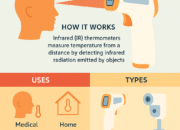
Infrared (IR) thermometers work, their key applications in various industries, and why they are essential for accurate non-contact temperature measurement.
Instrumentation
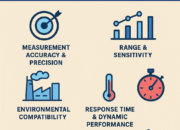
Selection Criteria for Instrumentation: Key Factors for Optimal Performance
Selection criteria for instrumentation, including accuracy, reliability, cost, and application suitability. A complete guide for engineers and industries.
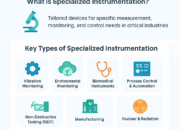
Specialized Types of Instrumentation: Enhancing Accuracy in Modern Industries
Specialized types of instrumentation used in modern industries. pplications, benefits, and how they improve efficiency and accuracy in various fields.
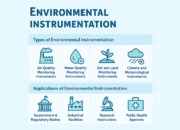
Environmental Instrumentation: Key Tools for Monitoring and Protecting Our Planet
Environmental instrumentation, key tools, and advanced technologies used to monitor air, water, soil, and climate for sustainable environmental management.
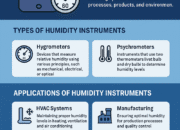
Understanding Humidity Instrumentation: Principles, Types, and Applications
Humidity instrumentation in various industries. Learn about types, working principles, and key applications of humidity sensors.
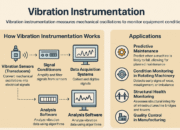
Understanding Vibration Instrumentation: Principles, Applications, and Industry Benefits
Vibration instrumentation, working principles to industrial applications. Improve machinery reliability and reduce downtime with advanced vibration monitoring.
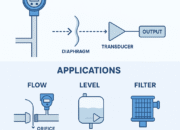
Understanding Differential Pressure Transmitters: Working Principle, Applications, and Benefits
Differential Pressure Transmitter is, how it works, key applications in industries, and why it’s essential for accurate pressure measurement.
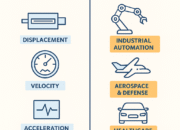
Motion Instrumentation: Principles, Applications, and Future Trends
Motion instrumentation, principles, applications, technologies, future trends. Measurement enhances automation, robotics, and precision engineering.
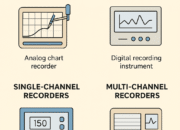
Recording Instrumentation: Principles, Applications, and Modern Trends
Recording instrumentation, purpose, components, principles, industrial applications. Devices support process monitoring and data analysis in modern industries.
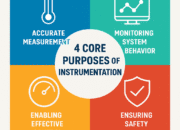
The Core Purpose of Instrumentation: Enhancing Control, Measurement, and Efficiency
Core Purpose of Instrumentation in engineering and industry. Learn how instrumentation improves measurement, control, safety, and efficiency in modern systems.
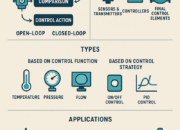
Control Instrumentation: Principles, Types, and Applications in Modern Industries
1. Introduction to Control Instrumentation Control instrumentation refers to the collection of devices, systems, and techniques used to monitor, measure, and control industrial processes. These instruments ensure that systems operate within desired parameters, maintaining efficiency, safety, and product quality.From temperature and pressure regulation to automated flow control, control instrument plays a crucial role in industries such as oil & gas,…
No More Posts Available.
No more pages to load.