
Basic Concepts Electricity Generation ~ Electricity is one of the most essential resources in modern society. From powering our homes and industries to enabling digital technologies, electricity has become a cornerstone of human progress. But how is electricity actually generated? Understanding the basic concepts of electricity generation provides insights into how energy is converted, transmitted, and utilized to sustain daily life.
In this article, we will explore the fundamental principles of electricity generation, the types of power plants, and the growing role of renewable energy in the global power sector.
1. What is Basic Concepts Electricity Generation?
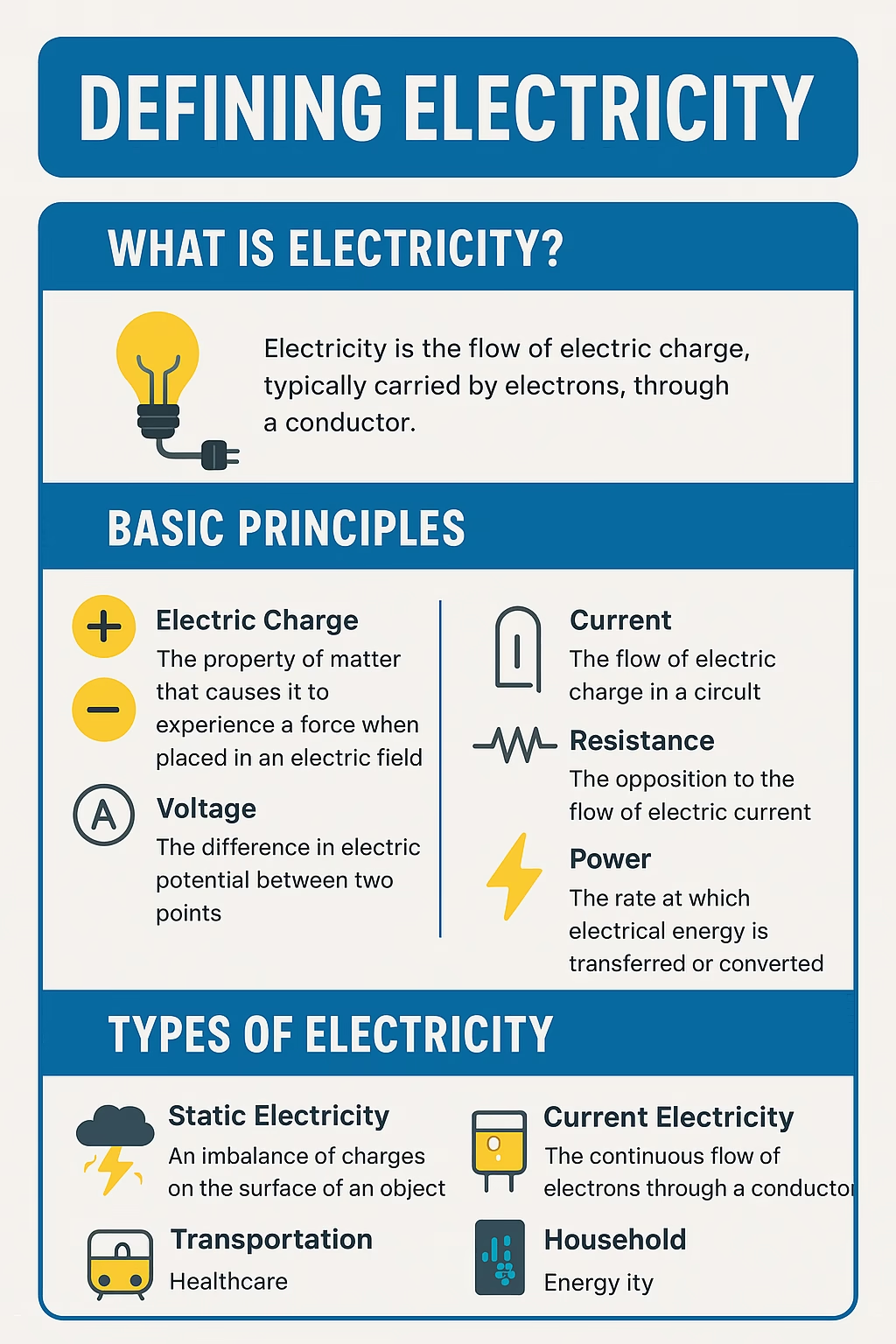
Electricity generation is the process of converting various forms of energy into electrical energy. It is typically achieved through mechanical, chemical, or electromagnetic processes. The generated electricity is then transmitted through power grids to homes, businesses, and industries.
The principle behind most electricity generation methods is energy conversion—transforming one form of energy (such as heat, mechanical motion, or sunlight) into electrical energy. The primary unit used to measure electricity is the watt (W), while larger quantities are measured in kilowatts (kW), megawatts (MW), and gigawatts (GW).
2. The Basic Principle of Basic Concepts Electricity Generation
The generation of electricity relies heavily on electromagnetic induction, a principle discovered by Michael Faraday in 1831. Faraday demonstrated that when a conductor moves through a magnetic field, an electric current is induced in the conductor. This fundamental principle is the basis of modern electric generators.
Key components of electricity generation using electromagnetic induction include:
- Magnetic Field: Created by magnets or electromagnets.
- Conductor: Usually a coil of wire that rotates or moves within the magnetic field.
- Mechanical Energy: Used to rotate the conductor, typically from steam turbines, water turbines, or wind turbines.
3. Common Methods of Basic Concepts Electricity Generation
There are various ways to generate electricity, each using different energy sources. Below are the most common methods:
a. Thermal Power Generation
Thermal power plants burn fossil fuels such as coal, oil, or natural gas to produce heat. This heat converts water into steam, which drives turbines connected to generators. While effective, this method contributes to greenhouse gas emissions.
b. Hydroelectric Power Generation
Hydropower plants use the energy of flowing water to turn turbines. This is one of the oldest and most reliable renewable energy sources. It is clean and efficient but depends on geographical and environmental conditions.
c. Nuclear Power Generation
Nuclear power plants use nuclear fission to generate heat, which then produces steam to drive turbines. It is a low-carbon energy source but involves challenges related to radioactive waste and safety concerns.
d. Wind Power Generation
Wind turbines convert the kinetic energy of wind into electricity. Wind power is a rapidly growing renewable energy source due to its sustainability and low environmental impact.
e. Solar Power Generation
Solar photovoltaic (PV) cells convert sunlight directly into electricity. Solar power is clean and abundant but depends on weather conditions and requires significant land area for large-scale deployment.
f. Geothermal Power Generation
Geothermal plants use heat from the Earth’s interior to produce steam that drives turbines. It is a sustainable source but is geographically limited to regions with geothermal activity.
4. The Electricity Grid: Distribution and Transmission
Once electricity is generated, it needs to be delivered to consumers through a complex network known as the electricity grid. The grid consists of:
- Generation Stations: Where electricity is produced.
- Transmission Lines: High-voltage lines that transport electricity over long distances.
- Substations: Facilities that reduce voltage levels for safe distribution.
- Distribution Networks: Local power lines that deliver electricity to homes and businesses.
Maintaining grid stability is essential, as electricity must be generated and consumed almost instantaneously to prevent outages.
5. The Role of Renewable Energy in Modern Basic Concepts Electricity Generation
The global shift towards sustainability has led to an increased emphasis on renewable energy sources. Renewable energy reduces dependency on fossil fuels, mitigates climate change, and ensures long-term energy security. Countries around the world are investing in technologies like solar farms, offshore wind parks, and advanced battery storage systems to support cleaner energy production.

6. Challenges and Future of Electricity Generation
While electricity generation has advanced significantly, several challenges remain:
- Environmental Impact: Fossil fuel-based generation contributes to climate change.
- Energy Storage: Renewable sources like wind and solar require efficient storage solutions to ensure continuous supply.
- Infrastructure Modernization: Aging grids need upgrades to handle new technologies like smart meters and decentralized generation.
- Energy Equity: Ensuring affordable and reliable electricity access for all populations.
The future of electricity generation lies in a balanced energy mix, integrating renewable sources, improving efficiency, and leveraging innovative technologies such as smart grids, microgrids, and hydrogen-based energy systems.
Conclusion of Basic Concepts Electricity Generation
Understanding the basic concepts of electricity generation helps us appreciate the intricate processes that power our world. From Faraday’s discovery of electromagnetic induction to the rise of renewable energy, electricity generation has continually evolved to meet the growing demands of modern society. As we move towards a more sustainable future, the focus will be on cleaner, smarter, and more resilient energy systems.