Introduction of Applications of Electromechanical
Applications of Electromechanical ~ Electromechanical components are the backbone of modern engineering systems, bridging the gap between electrical energy and mechanical movement. These components, which include motors, relays, solenoids, actuators, and switches, play an essential role in transforming electrical signals into physical actions. From everyday household appliances to advanced industrial automation systems, electromechanical devices provide precision, reliability, and efficiency.
This article explores the applications of electromechanical components across various industries, highlighting their importance in automation, robotics, automotive technology, medical devices, and consumer electronics.
What are Electromechanical Components?
Electromechanical components are devices that combine electrical and mechanical processes to perform a function. Unlike purely electrical components such as resistors or capacitors, these devices physically interact with their environment.
Common examples include:
- Motors – Convert electrical energy into mechanical rotation.
- Relays & Contactors – Electrically operated switches used in control circuits.
- Solenoids – Provide linear mechanical motion from electrical energy.
- Actuators – Enable motion control in automation and robotics.
- Switches & Sensors – Detect and control electrical currents.
Applications of Electromechanical
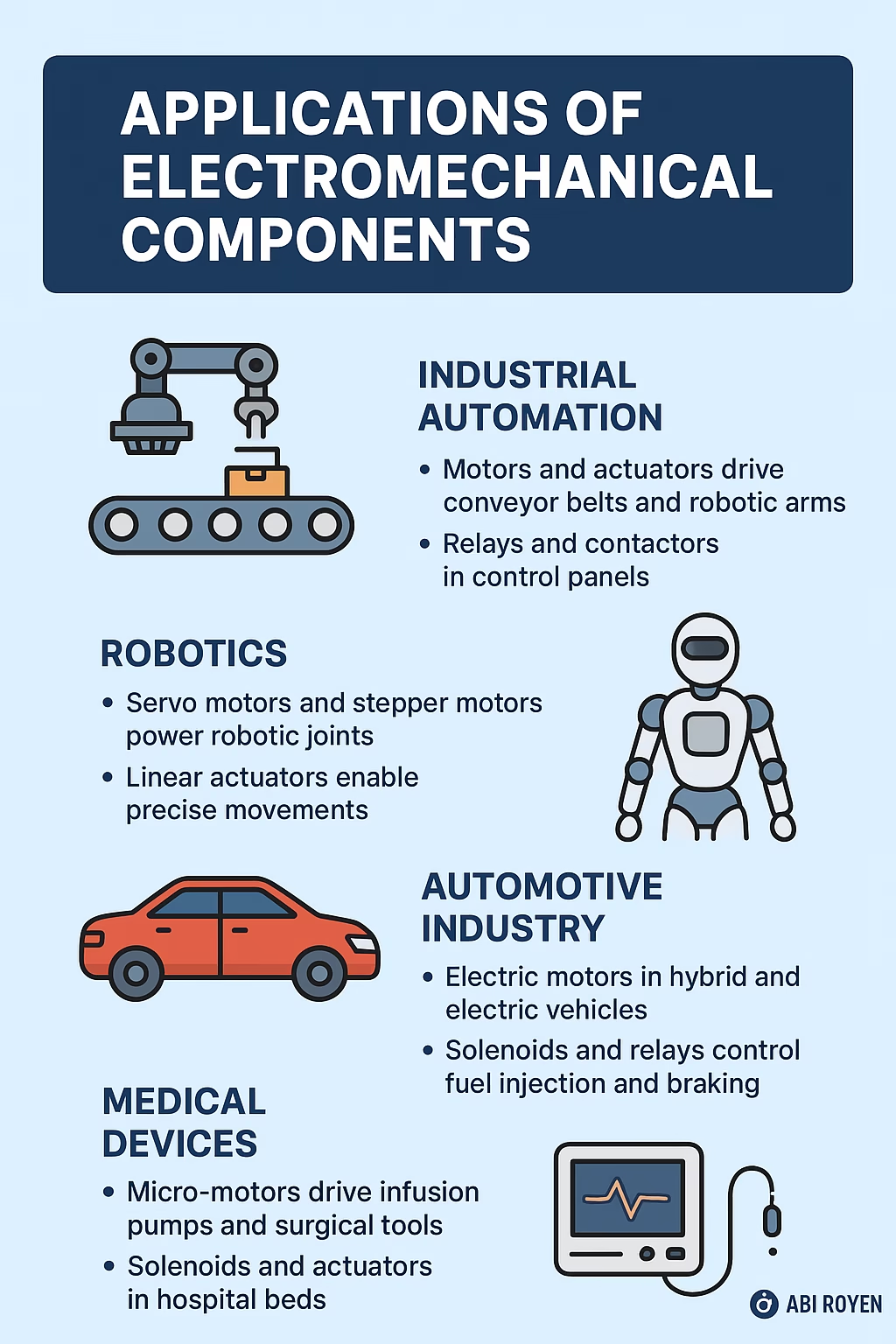
1. Industrial Automation
In manufacturing and industrial processes, electromechanical components ensure efficiency and safety.
- Motors and actuators drive conveyor belts, robotic arms, and production machinery.
- Relays and contactors are widely used in control panels for switching high-power circuits.
- Sensors and switches provide feedback loops for process automation.
With the rise of Industry 4.0, these components integrate with PLCs (Programmable Logic Controllers) and IoT-enabled systems for smart factories.
2. Robotics
Robotics heavily relies on electromechanical systems to mimic human movements.
- Servo motors and stepper motors provide precise control of robotic joints.
- Linear actuators enable lifting, pressing, and pushing actions.
- Feedback sensors ensure robots perform tasks with accuracy.
Applications include industrial robots, surgical robots, drones, and service robots.
3. Automotive Industry
Modern vehicles are increasingly dependent on electromechanical systems.
- Electric motors power hybrid and electric vehicles.
- Solenoids and relays control fuel injection, ignition, and braking systems.
- Actuators adjust seats, windows, and climate control systems.
- Safety systems such as airbags and anti-lock braking systems (ABS) rely on sensors and electromechanical triggers.
The shift toward autonomous vehicles further expands the role of electromechanical components in automotive design.
4. Medical Devices
Precision and reliability are critical in healthcare equipment.
- Micro-motors drive infusion pumps, surgical instruments, and imaging devices.
- Solenoids and actuators enable automated movement in hospital beds and diagnostic machines.
- Switches and sensors provide patient monitoring and safety control.
For instance, MRI and CT scanners incorporate multiple electromechanical systems for imaging and patient positioning.
5. Consumer Electronics and Home Appliances
Electromechanical components are everywhere in daily life.
- Washing machines and refrigerators use relays, motors, and switches for operation.
- Smart home devices rely on actuators and sensors for automation.
- Computer peripherals such as keyboards and printers use electromechanical switches and motors.
As IoT-enabled devices become mainstream, electromechanical components integrate seamlessly with smart control systems.
6. Aerospace and Defense
High-performance applications require rugged and reliable components.
- Motors and actuators control aircraft flaps, landing gear, and unmanned aerial vehicles (UAVs).
- Electromechanical relays provide secure switching in harsh environments.
- Precision actuators assist in missile guidance and defense systems.
Electromechanical reliability is vital in aerospace due to strict safety standards.
Advantages of Electromechanical Components
- High Reliability – Proven technology with decades of use.
- Precision Control – Suitable for applications requiring accuracy.
- Durability – Can withstand harsh conditions when properly designed.
- Scalability – Available in both micro and industrial-scale devices.
- Integration with Electronics – Compatible with digital control systems, PLCs, and IoT.
Challenges and Future Trends Applications of Electromechanical
While electromechanical components are indispensable, challenges such as wear and tear, energy efficiency, and miniaturization persist.
Future trends include:
- Smart electromechanical devices with built-in sensors for predictive maintenance.
- Miniaturized components for medical implants and portable devices.
- Energy-efficient motors and actuators for sustainable applications.
- Integration with AI and machine learning for adaptive control in automation.
Conclusion of Applications of Electromechanical
Electromechanical components form the backbone of modern technology, driving progress across industries from manufacturing and automotive to healthcare and consumer electronics. Their ability to convert electrical energy into controlled mechanical action makes them vital for automation, precision, and safety.
As industries evolve with smart technologies and sustainability goals, the applications of electromechanical components will continue to expand, ensuring their relevance in shaping the future of engineering.