
Introduction of Early Beginnings of Automation
Automation is one of the most transformative forces in human history. Today, we associate automation with artificial intelligence, robotics, and advanced digital systems. However, its roots stretch back centuries, long before electricity and computers became part of everyday life. The early beginnings of automation reveal a fascinating journey of human ingenuity, where simple mechanical devices gradually evolved into complex systems designed to reduce manual labor and increase efficiency.
This article explores the milestones of early automation, from ancient mechanical inventions to the innovations of the Industrial Revolution, highlighting how humanity laid the foundation for the automated world we know today.
Ancient Foundations of Automation
The concept of automation is far older than modern industry. Ancient civilizations experimented with mechanical devices designed to mimic human actions or simplify tasks.
Greek and Roman Inventions
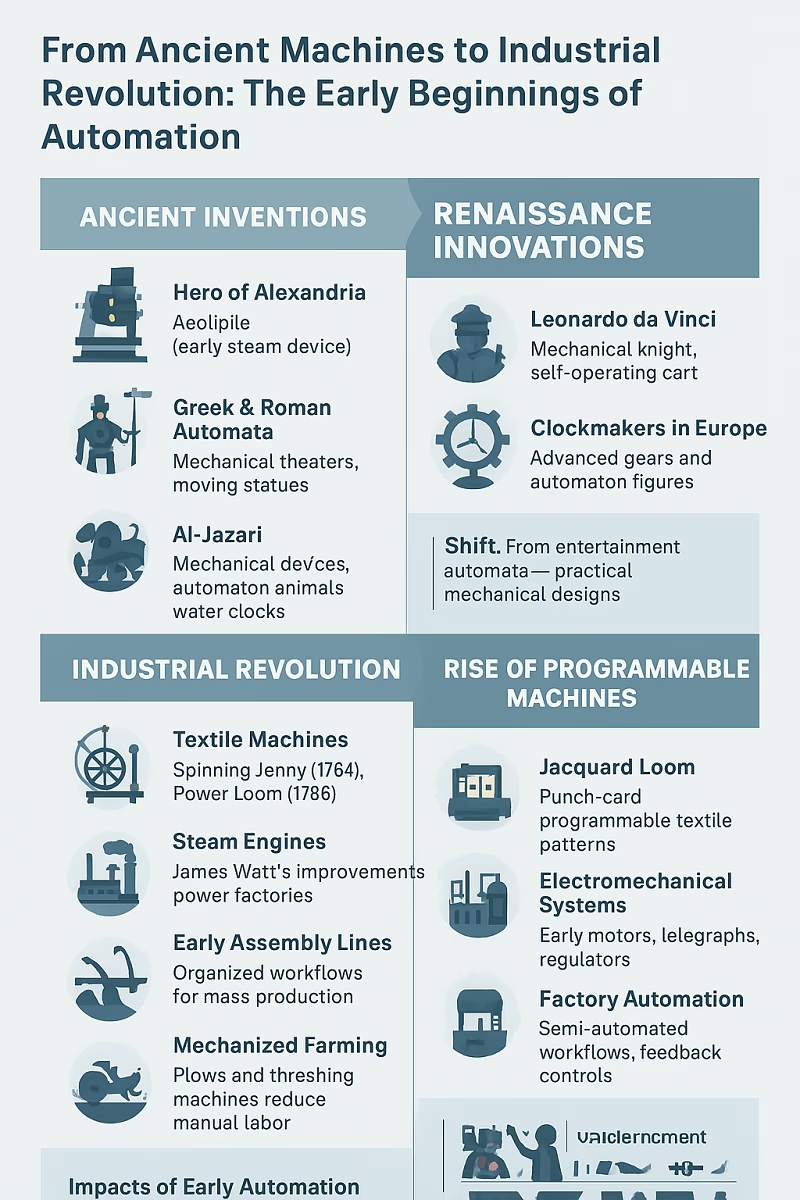
- Hero of Alexandria (10–70 AD): Often regarded as one of the earliest pioneers of automation, Hero designed several mechanical devices powered by air, steam, and water. His most famous invention was the aeolipile, a simple steam engine that demonstrated rotational motion powered by steam.
- Automata and Mechanical Theaters: Ancient engineers also built mechanical figures that could move automatically, often used in temples and theaters to amaze audiences. These early automata were precursors to modern robotics.
Chinese and Islamic Contributions
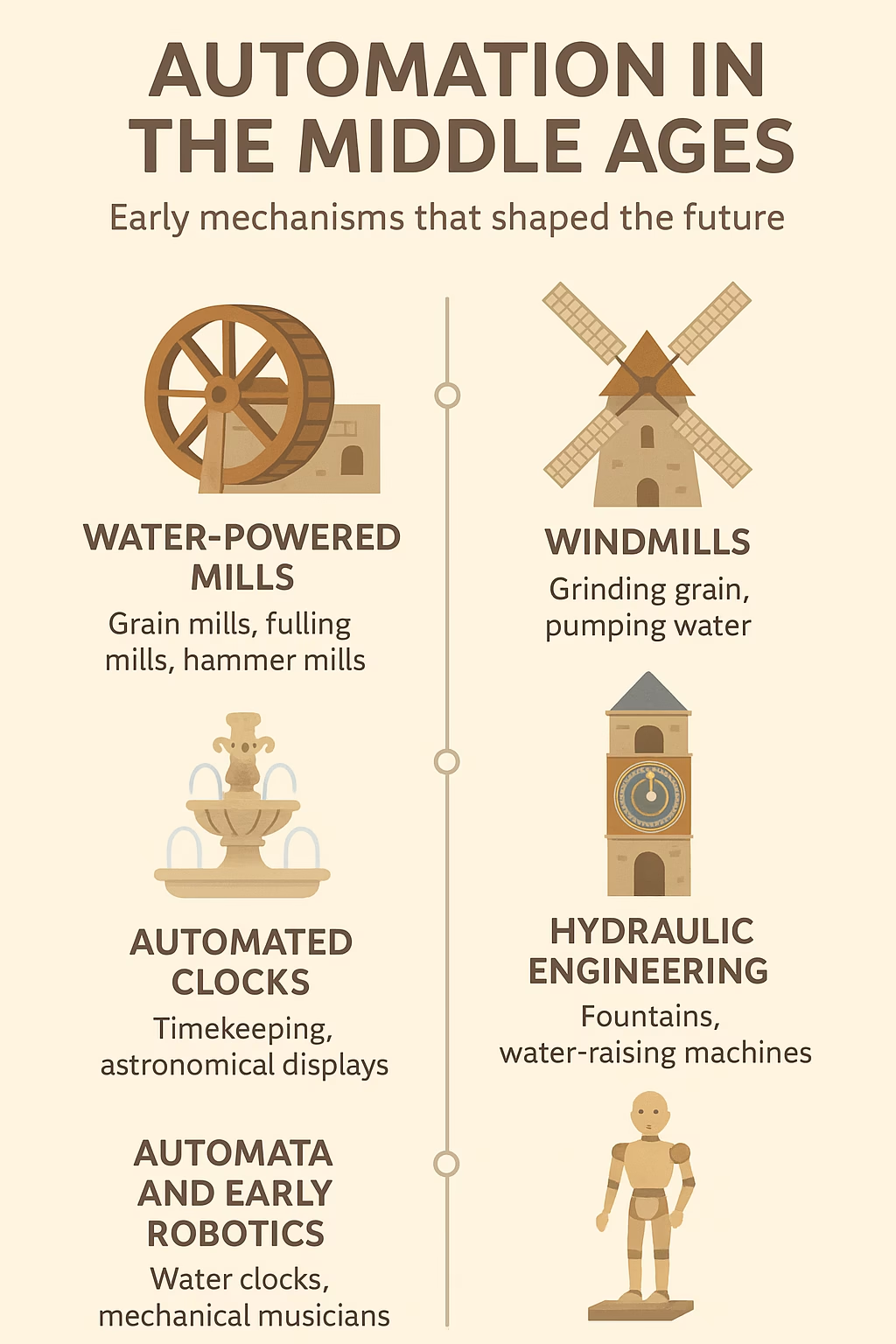
- Chinese Mechanical Clocks: As early as the 8th century, Chinese inventors created intricate water-powered clocks, demonstrating advanced understanding of gears and automation.
- Al-Jazari (1136–1206): An Islamic scholar and engineer, Al-Jazari wrote The Book of Knowledge of Ingenious Mechanical Devices. His designs included water-powered machines, automatic hand-washing devices, and mechanical animals. These works significantly influenced later developments in Europe.
Renaissance and Early Mechanization
The Renaissance era revived scientific curiosity and innovation, bringing new interest in automation.
- Leonardo da Vinci (1452–1519): Da Vinci sketched designs for mechanical knights and self-operating carts. Although many of his inventions remained prototypes, they showcased a forward-thinking approach to mechanization.
- Clocks and Automaton Crafts: Clockmakers in Europe refined gears, escapements, and springs, enabling increasingly complex automated devices. Some of these creations included elaborate automaton birds, musicians, and intricate timekeeping machines.
These innovations represented the transition from symbolic or entertainment-driven automata toward practical machines that could assist in human work.
The Industrial Revolution: Automation Takes Off
The Industrial Revolution (18th–19th centuries) was the true turning point in automation history. Mechanization transformed industries such as textiles, manufacturing, and transportation, laying the groundwork for modern automation.
Key Developments
- Textile Machinery
- The spinning jenny (1764) and power loom (1785) revolutionized textile production. Machines could now perform tasks that once required several workers, dramatically increasing output.
- Steam Engines
- James Watt’s improvements to the steam engine in the late 18th century enabled factories to run machinery continuously. Steam-powered engines became the backbone of industrial automation.
- Assembly Line Concepts
- Although the fully automated assembly line is credited to Henry Ford in the early 20th century, its roots were planted during the Industrial Revolution. Factories began organizing workflows in systematic ways, enabling semi-automated production.
- Mechanized Agriculture
- Early mechanized plows and threshing machines reduced reliance on manual labor in farming, signaling the spread of automation beyond factories.
The Transition from Mechanical to Electrical Automation
By the late 19th century, automation entered a new phase with the introduction of electricity.
- Electrical Motors and Telegraph Systems allowed machines to operate more efficiently and communicate across distances.
- Jacquard Loom (1804): An early form of programmable machine, the Jacquard loom used punch cards to control textile patterns. This concept directly influenced the development of computers and programmable automation.
- Industrial Control Systems: The foundations of control engineering were laid, as factories began experimenting with automated regulators and feedback systems.
This period marked the shift from purely mechanical systems toward electromechanical and programmable devices, bridging the gap to modern automation.
Cultural and Economic Impacts of Early Beginnings of Automation
The early adoption of automation brought both opportunities and challenges.
Positive Impacts
- Increased productivity and efficiency in manufacturing and agriculture.
- Growth of industries and the creation of new jobs in machine operation and maintenance.
- Enhanced scientific understanding and innovation across disciplines.
Challenges
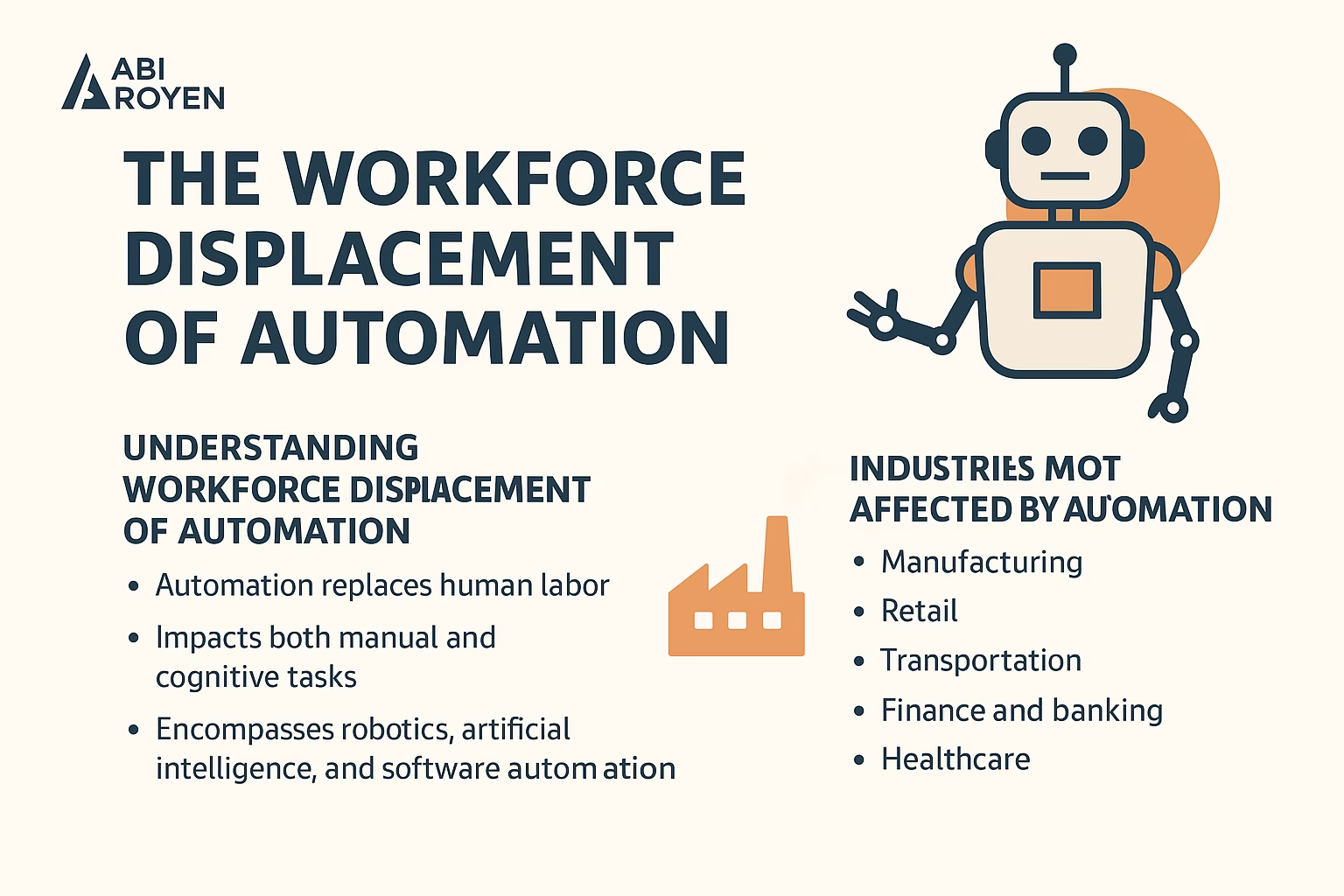
- Job displacement for traditional craftsmen and laborers.
- Social unrest, such as the Luddite movement in the early 19th century, where workers destroyed machines they feared would replace their livelihoods.
- Dependence on machines raised concerns about safety, ethics, and sustainability.
These debates continue today as society navigates modern automation with artificial intelligence and robotics.
Conclusion: Early Beginnings of Automation
The early beginnings of automation show that the drive to reduce human labor through mechanical means is not a recent phenomenon—it is a centuries-old journey of creativity, experimentation, and adaptation. From Hero of Alexandria’s steam-powered devices to the Jacquard loom and the Industrial Revolution’s mechanized factories, each step represented a leap forward in humanity’s quest for efficiency.
Modern automation technologies like robotics, artificial intelligence, and smart manufacturing systems are built upon these historical foundations. By studying the origins of automation, we gain valuable insight into both the opportunities and challenges that lie ahead in the ongoing evolution of technology.