Research and Development Strategy ~ Research and Development (R&D) has always been a cornerstone of innovation and competitiveness. In today’s rapidly evolving marketplace, companies that fail to invest in R&D risk falling behind their competitors. A well-defined R&D strategy is not only about creating new products but also about improving processes, enhancing customer satisfaction, and ensuring long-term growth.
In this article, we will explore the importance of R&D strategy, its key components, and how businesses can successfully implement it to achieve sustainable growth.
Why Research and Development Strategy Matters
Every successful business, regardless of industry, relies on innovation to survive and thrive. Markets shift, technologies advance, and customer needs evolve—making R&D a vital part of any organization’s strategy. Here are some reasons why R&D strategy is essential:
- Innovation and Competitiveness
Companies that prioritize R&D can develop new products or services that set them apart from competitors. Innovation keeps the brand relevant and attractive in the eyes of consumers. - Market Adaptation
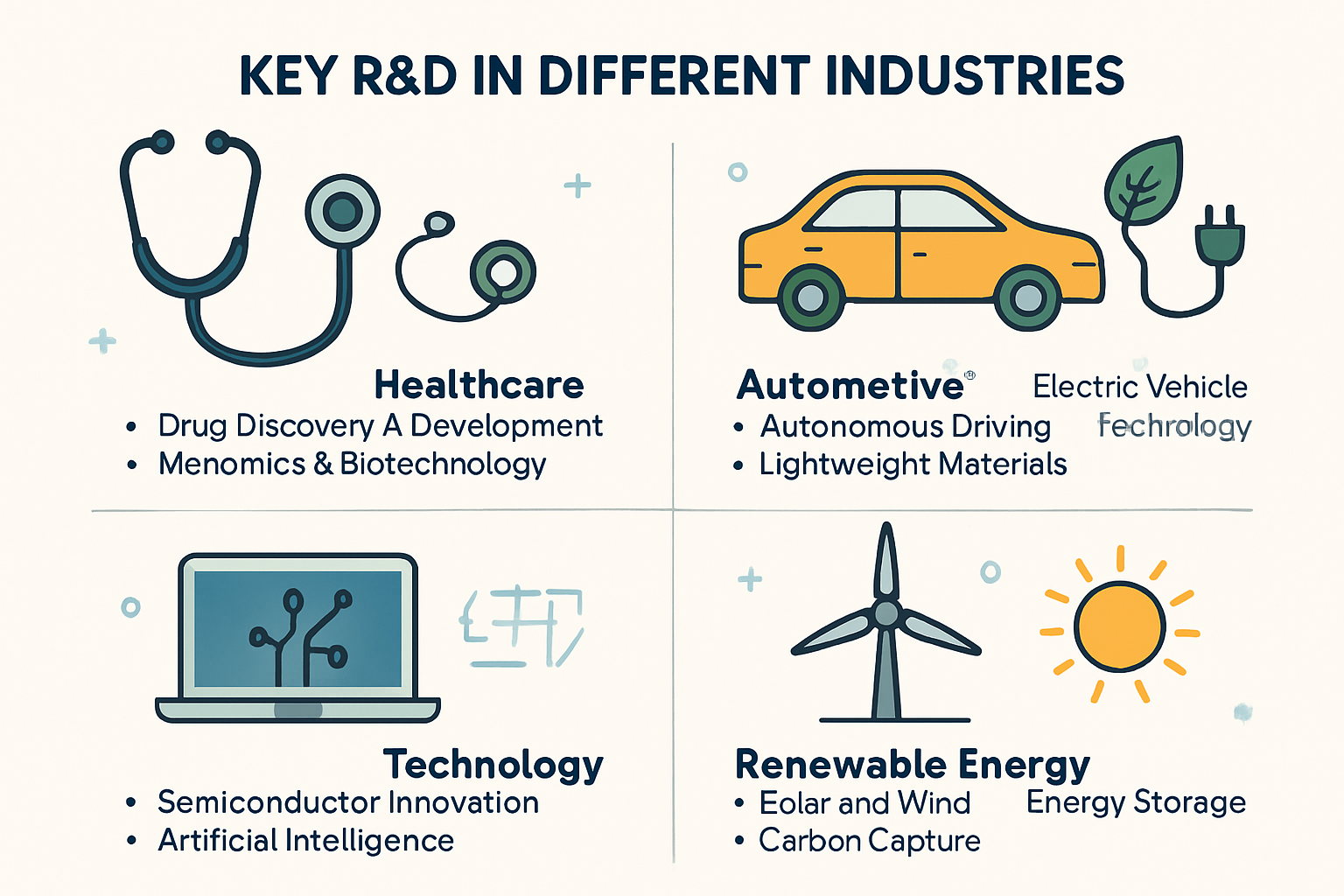
Industries such as technology, healthcare, automotive, and manufacturing are constantly changing. An effective R&D strategy ensures that businesses can adapt quickly to new market trends. - Customer Satisfaction
Through R&D, businesses can better understand customer needs and preferences. Developing solutions based on customer insights strengthens brand loyalty. - Sustainable Growth
R&D is not only about immediate results—it drives long-term growth by ensuring that companies remain competitive and future-ready.
Core Elements of an Research and Development Strategy
Building a research and development strategy requires careful planning and alignment with organizational goals. Here are the main components:
1. Vision and Objectives
A successful R&D strategy begins with a clear vision. Businesses must define what they want to achieve through research and development—whether it is creating groundbreaking products, improving existing offerings, or reducing costs.
2. Market and Industry Analysis
Thorough research into industry trends, customer preferences, and competitor activities provides valuable insights. This ensures that R&D efforts are focused on areas with the highest potential impact.
3. Investment and Budget Allocation
R&D often requires significant financial resources. Companies must carefully allocate budgets and balance between short-term projects and long-term innovations.
4. Talent and Expertise
The success of R&D depends heavily on people. Skilled researchers, engineers, and designers bring creativity and technical expertise. Collaboration across departments is also crucial.
5. Technology and Tools
Modern R&D strategies rely on advanced tools such as artificial intelligence, data analytics, and digital simulations. Investing in the right technology enhances efficiency and accuracy.
6. Risk Management
R&D projects inherently involve risks. Businesses must establish frameworks to evaluate potential risks, manage uncertainties, and decide when to pivot or continue.
7. Evaluation and Measurement
Setting performance metrics ensures accountability. KPIs such as time-to-market, return on investment, or customer feedback help businesses measure R&D success.
Steps to Develop a Winning Research and Development Strategy
Creating a research and development strategy is not a one-time process—it requires continuous refinement. Below are key steps for businesses:
- Align R&D with Business Goals
R&D should directly support the company’s mission and vision. For example, if a company’s goal is sustainability, R&D should focus on eco-friendly technologies. - Identify Opportunities
Explore gaps in the market or unmet customer needs. Conduct surveys, analyze competitor products, and monitor global innovation trends. - Define Priorities
Not all projects can be pursued simultaneously. Businesses must prioritize based on potential impact, available resources, and alignment with strategic goals. - Create a Roadmap
Develop a timeline that outlines research phases, product testing, and launch plans. A clear roadmap keeps teams aligned and focused. - Encourage Collaboration
R&D often requires input from multiple stakeholders—internal teams, external partners, universities, or research institutions. Collaboration accelerates progress. - Implement Agile Practices
Adopting agile methodologies allows businesses to test, learn, and iterate quickly. This flexibility reduces risks and improves time-to-market. - Monitor, Measure, and Adjust
Regularly track results, compare them to goals, and make adjustments as necessary. Continuous improvement ensures long-term success.
Types of R&D Approaches
Depending on their goals and resources, businesses can adopt different types of R&D strategies:
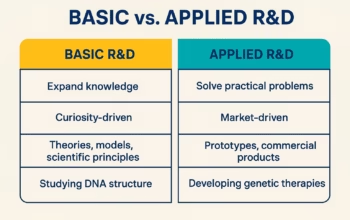
- Basic Research
Focuses on exploring new concepts and theories without immediate commercial application. Often seen in academic or scientific research. - Applied Research
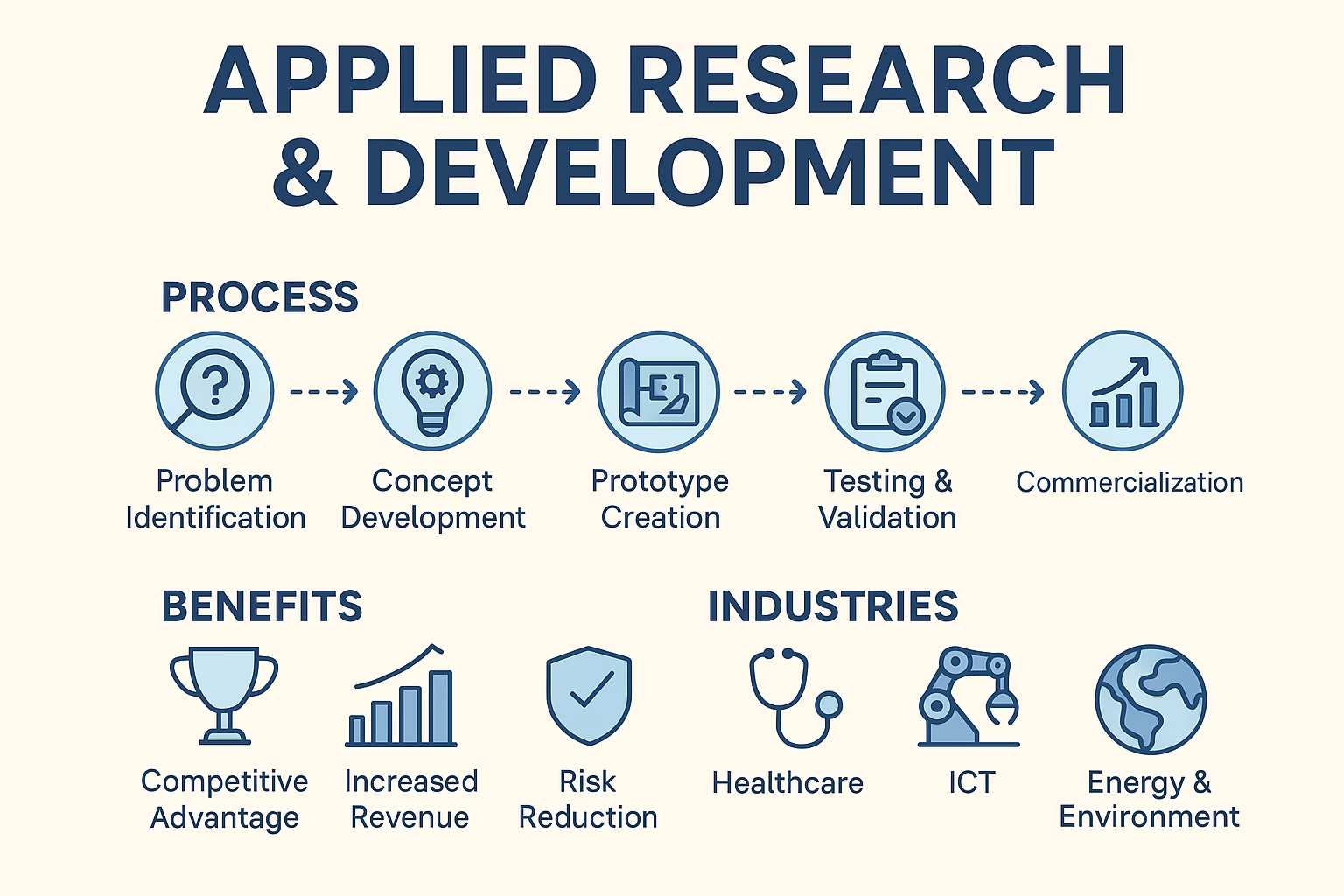
Involves studying how theoretical knowledge can be applied to real-world problems. This stage bridges basic research and product development. - Development Research
Centers on creating new products, processes, or services. It includes prototyping, testing, and refining before commercialization.

Challenges in Implementing Research and Development Strategy
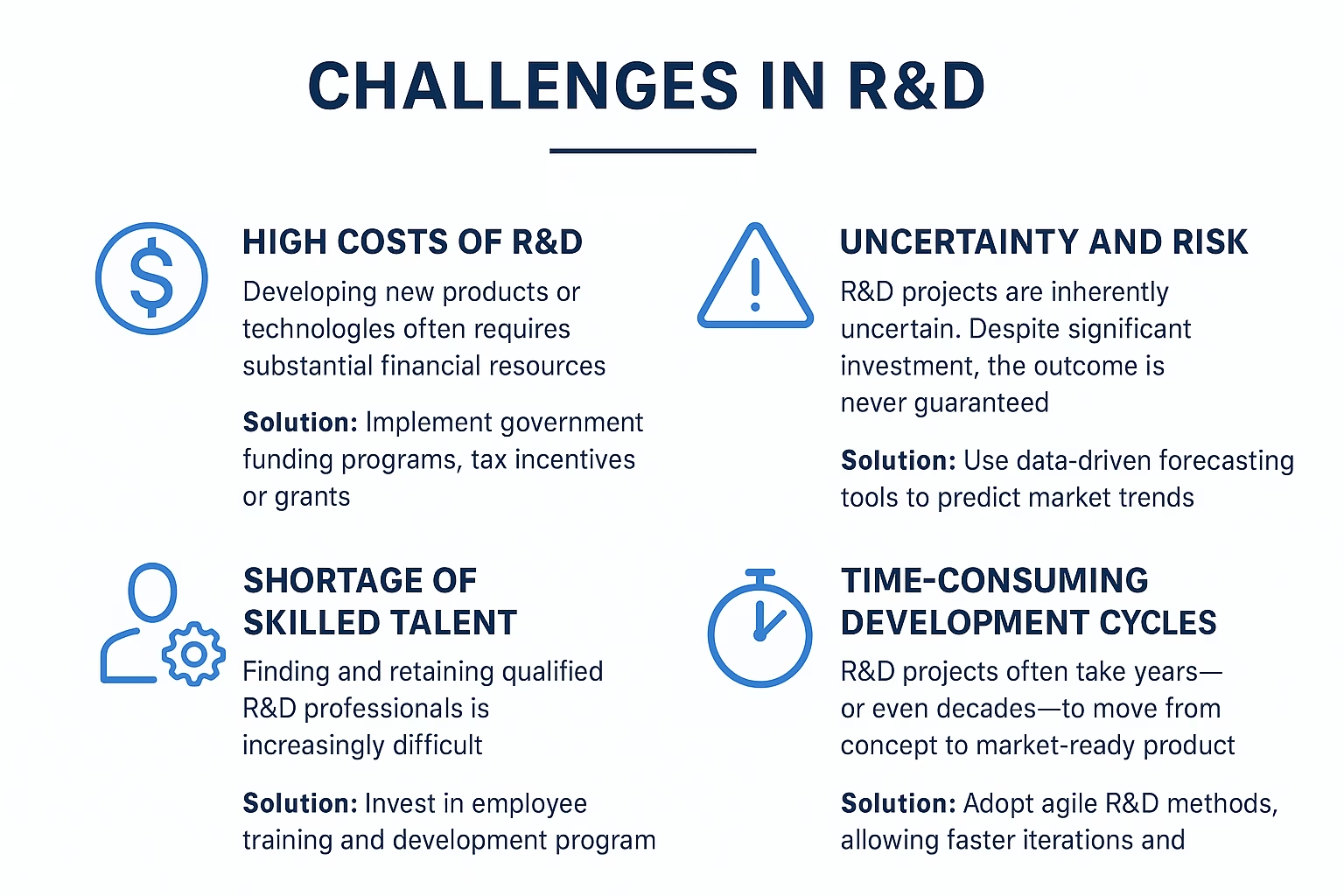
While R&D is essential, it comes with challenges that businesses must navigate:
- High Costs: Research and innovation require substantial financial investment.
- Uncertainty of Outcomes: Not all R&D projects lead to success, and failures are part of the process.
- Talent Shortage: Finding skilled professionals with expertise in emerging technologies can be difficult.
- Intellectual Property Issues: Protecting innovations through patents and copyrights is crucial but often complex.
- Time Constraints: Developing new products may take years, which can delay returns on investment.
Best Practices for Effective Research and Development Strategy
To maximize the impact of R&D, businesses can adopt these best practices:
- Encourage a Culture of Innovation: Foster creativity and reward employees for new ideas.
- Leverage Partnerships: Collaborate with universities, startups, or industry leaders to share knowledge and resources.
- Focus on Sustainability: Incorporate eco-friendly innovations to align with global sustainability goals.
- Use Data-Driven Decision Making: Rely on data analytics to guide R&D priorities and minimize risks.
- Protect Intellectual Property: Secure patents and trademarks to safeguard competitive advantage.
Future of Research and Development Strategy
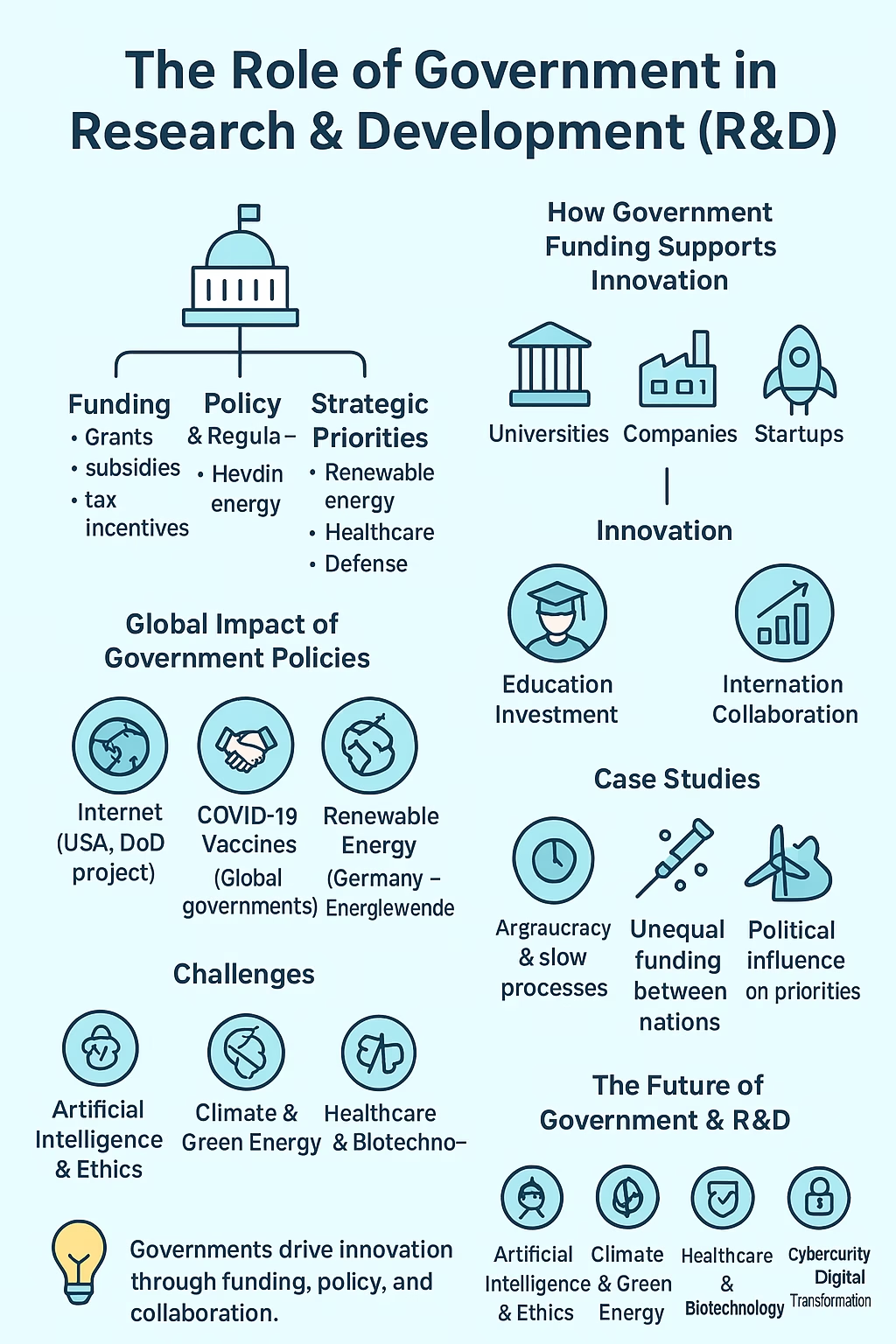
The future of R&D will be shaped by rapid technological advancements. Artificial intelligence, automation, biotechnology, and renewable energy will dominate innovation landscapes. Companies that embrace these changes and invest in forward-looking R&D strategies will secure a strong position in global markets.
Moreover, sustainability and digital transformation will play a central role. Businesses will need to balance profitability with environmental and social responsibility to remain relevant.
Conclusion
A strong Research and Development strategy is vital for businesses seeking innovation, competitiveness, and long-term growth. By aligning R&D with business objectives, leveraging technology, and managing risks effectively, companies can transform ideas into valuable products and services.
In a world where change is constant, R&D is not just an option—it is a necessity for sustainable success.