
As modern electronic devices become increasingly integrated into every aspect of our daily lives, ensuring that they operate safely and without interfering with one another has become crucial. This is where Compliance and EMI Regulations play a significant role. These regulations are vital for product reliability, consumer safety, and legal marketability in global markets.
In this article, we explore the core concepts of compliance and EMI regulations, their importance, the key standards that govern them, and how designers and manufacturers meet these requirements.
What is EMI and Why is It a Concern?
Electromagnetic Interference (EMI) is a disturbance generated by electronic devices that can affect the performance of other nearby devices. It can be radiated through space or conducted through power lines and data cables.
For example:
- A mobile phone might interfere with audio systems.
- Industrial machinery can cause glitches in sensitive medical equipment.
- Poorly shielded devices can disrupt Wi-Fi or GPS signals.
EMI can cause performance degradation, data loss, safety issues, or even complete failure of electronic systems. As a result, regulatory bodies enforce standards to limit EMI and ensure Electromagnetic Compatibility (EMC).
What is Compliance and EMI Regulations in Electronics?
Compliance in the context of electronics refers to adherence to laws, standards, and regulations that ensure a product is:
- Safe to use
- Functionally reliable
- Electromagnetically compatible with its environment
Without proper compliance, products cannot be legally sold in many markets like the EU, the US, or Japan.
Key Global Standards and Regulatory Bodies
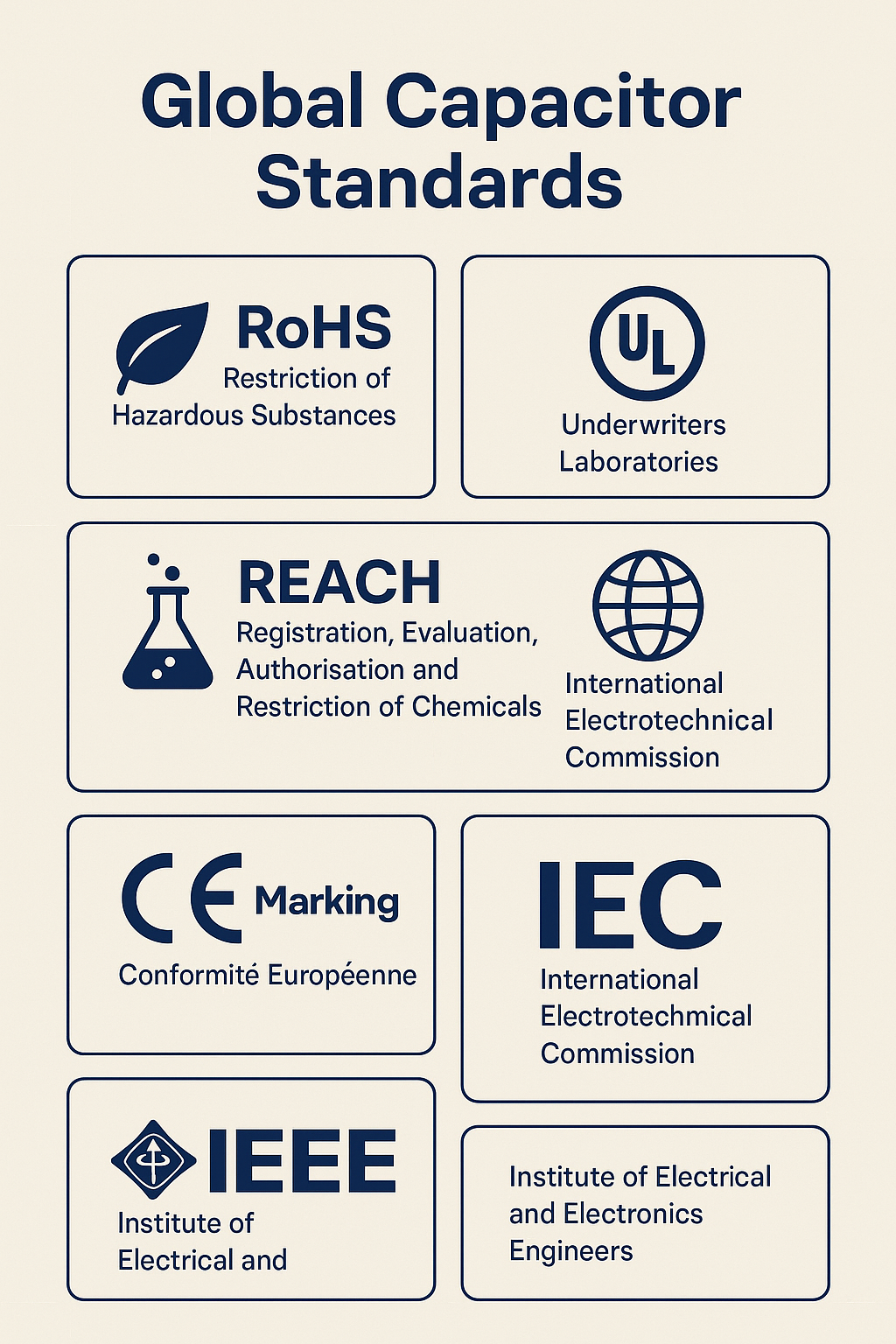
To minimize EMI and ensure EMC, various countries and regions have established regulatory frameworks. Here are the most prominent ones:
1. FCC (Federal Communications Commission) – USA
- Enforces Part 15 of FCC rules for unlicensed devices.
- Limits radiated and conducted emissions.
- Requires premarket testing and labeling.
- Non-compliance may lead to product bans and legal penalties.
2. CE Marking – European Union
- CE marking is mandatory for products sold in the European Economic Area (EEA).
- Requires compliance with EMC Directive (2014/30/EU).
- Involves self-declaration or third-party assessment.
- Products must meet standards such as EN 55032, EN 61000-6-1, etc.
3. ICES and ISED – Canada
- Governed by Innovation, Science and Economic Development Canada (ISED).
- Follows Interference-Causing Equipment Standards (ICES).
- Similar to FCC Part 15 but with Canadian-specific documentation.
4. VCCI – Japan
- The Voluntary Control Council for Interference oversees EMI regulations.
- Applies to IT and consumer electronics.
- Requires testing and registration with VCCI.
5. CISPR and IEC Standards
- The International Electrotechnical Commission (IEC) and CISPR develop EMI and EMC standards used globally.
- CISPR 22/32, IEC 61000-4 series, and CISPR 11 are widely referenced.
Types of Compliance and EMI Regulations
To comply with EMI regulations, products must undergo various tests during development and production:
1. Radiated Emissions Testing
Measures the electromagnetic field strength emitted from a product over the air.
2. Conducted Emissions Testing
Assesses unwanted signals conducted through power lines or other cables.
3. Immunity Testing
Verifies a product’s ability to withstand external electromagnetic disturbances.
4. Electrostatic Discharge (ESD) Testing
Simulates real-world ESD events to ensure the product can handle electrostatic shocks.
5. Surge and Burst Testing
Applies high-energy pulses to test resilience against voltage transients.
Design Strategies for Compliance and EMI Regulations
To ensure a product passes EMI testing and meets regulations, engineers adopt various EMC design practices:
✅ Shielding
Using metal enclosures or conductive materials to block EMI radiation.
✅ Filtering
Installing EMI filters on power and signal lines to suppress conducted emissions.
✅ Grounding
Implementing effective grounding techniques to prevent emission loops and voltage buildup.
✅ PCB Layout Optimization
Careful trace routing, separation of high-speed signals, and maintaining return paths for signals.
✅ Component Selection
Choosing components certified for low noise and EMI compliance.
Compliance Documentation and Certification Process
To demonstrate regulatory compliance, manufacturers must prepare and maintain documentation such as:
- Declaration of Conformity (DoC)
- Test Reports from Accredited Labs
- Technical Construction File (TCF)
- Product Labeling and Markings (e.g., CE, FCC, VCCI)
This documentation may be requested by authorities at any time. Failing to provide it can result in fines or product recalls.
The Cost of Non-Compliance
Non-compliance with EMI and regulatory standards can have serious consequences:
- Product Recalls: Leading to financial losses and brand damage.
- Legal Penalties: Regulatory bodies may issue fines or bans.
- Market Rejection: Products without proper certification cannot be sold in many countries.
- User Safety Risks: EMI can cause malfunctions in life-critical systems like medical or automotive electronics.
Trends in Compliance and EMI Regulations and Future Outlook
As technologies evolve, compliance standards are also becoming more stringent. Some key trends include:
- 5G and IoT Devices: Require stricter EMI control due to high frequency and density.
- Automotive Electronics: Electric vehicles demand compliance with automotive EMC standards like ISO 11452.
- Eco-Design Regulations: Emphasize energy efficiency and electromagnetic harmony.
- Global Harmonization: Efforts are being made to align EMI standards across regions for streamlined certification.
Conclusion of Compliance and EMI Regulations
Compliance and EMI regulations are essential pillars of modern electronic design. Meeting these requirements ensures product safety, market access, and user satisfaction. By integrating compliance strategies early in the design phase, manufacturers can avoid costly delays and legal issues down the line.
Whether you’re designing a consumer gadget, industrial controller, or medical device, understanding and applying EMI standards is not just good practice—it’s a necessity.