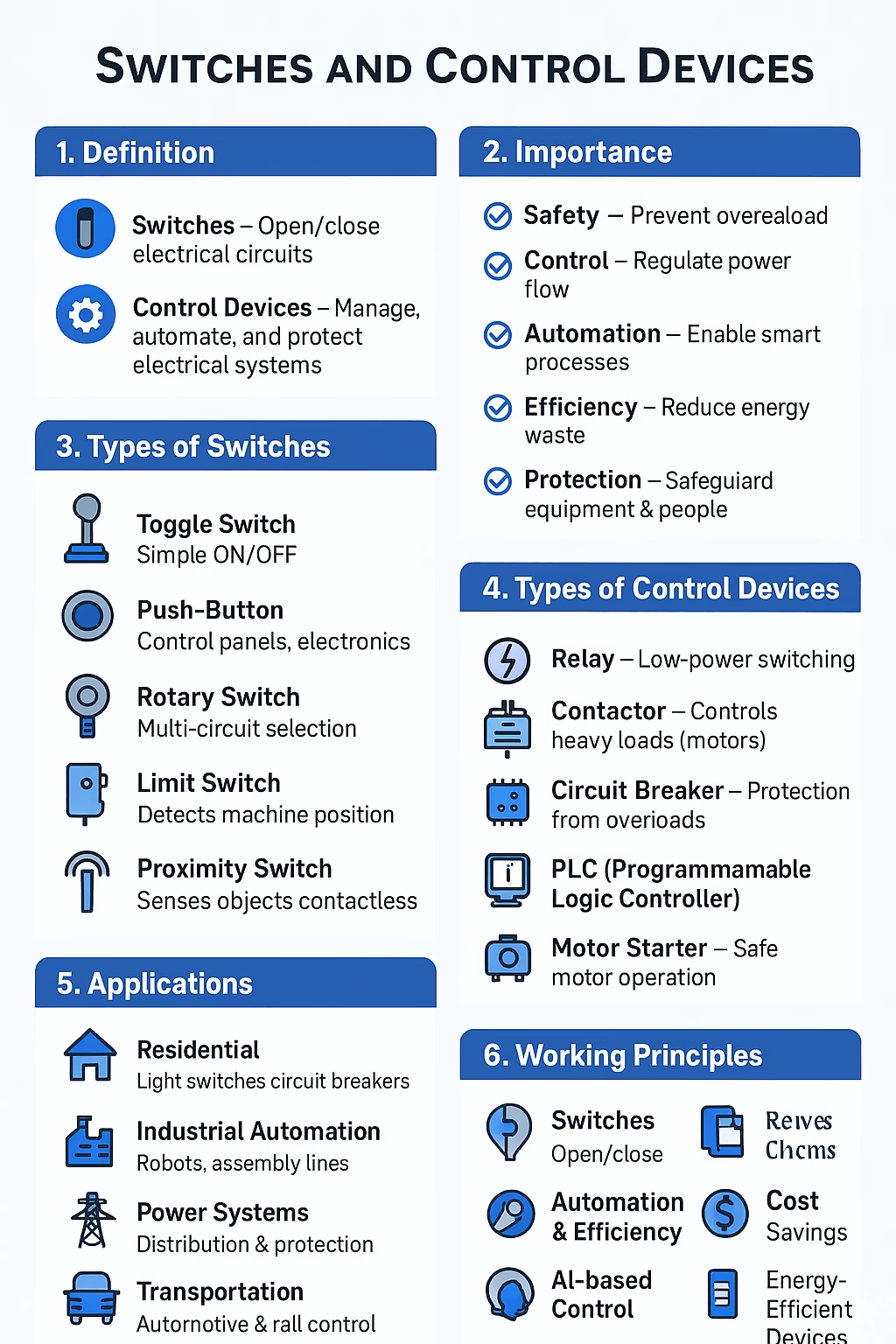
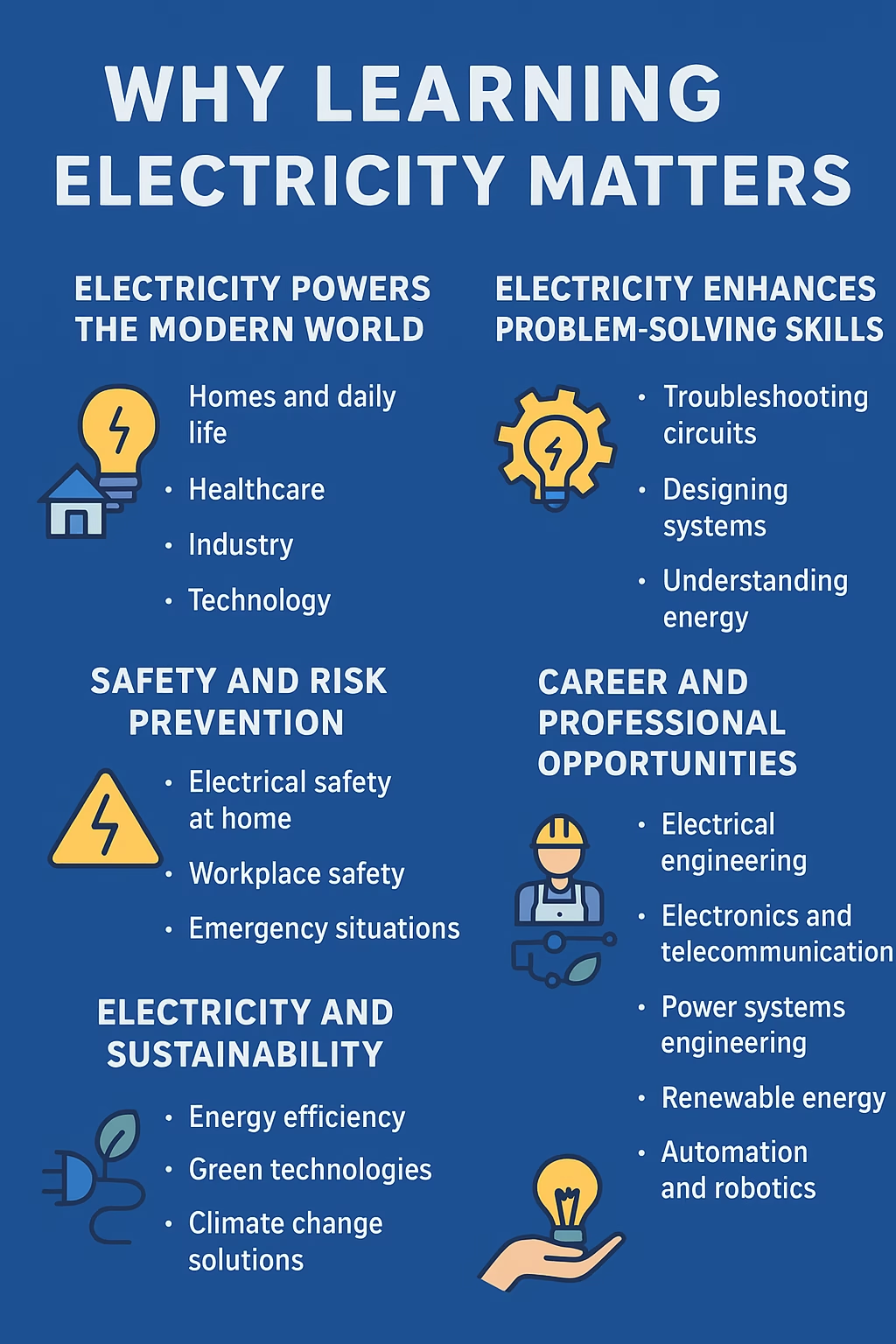
Introduction
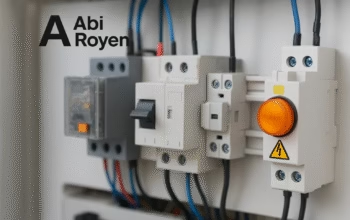
In modern electrical systems, Protection Devices in Electrical play a vital role in ensuring safety, efficiency, and reliability. These devices safeguard people, equipment, and infrastructure from faults such as overloads, short circuits, overvoltage, and electrical surges. Without proper protection, electrical systems would be highly vulnerable to hazards like fire, equipment damage, and even fatal accidents.
This article explores the types of electrical protection devices, their working principles, and why they are indispensable in both domestic and industrial applications.
What Are Protection Devices in Electrical?
Electrical protection devices are components designed to detect abnormal electrical conditions and automatically disconnect the faulty section of a circuit. Their main purpose is to:
- Prevent equipment damage due to excessive current or voltage.
- Minimize fire and explosion risks.
- Protect human lives from electric shocks.
- Ensure uninterrupted power supply by isolating faulty circuits.
Protection devices are widely used in homes, commercial buildings, factories, and power distribution networks.
Types of Protection Devices in Electrical
Different types of protection devices are used depending on the type of fault, system configuration, and required safety level. Below are the most common ones:
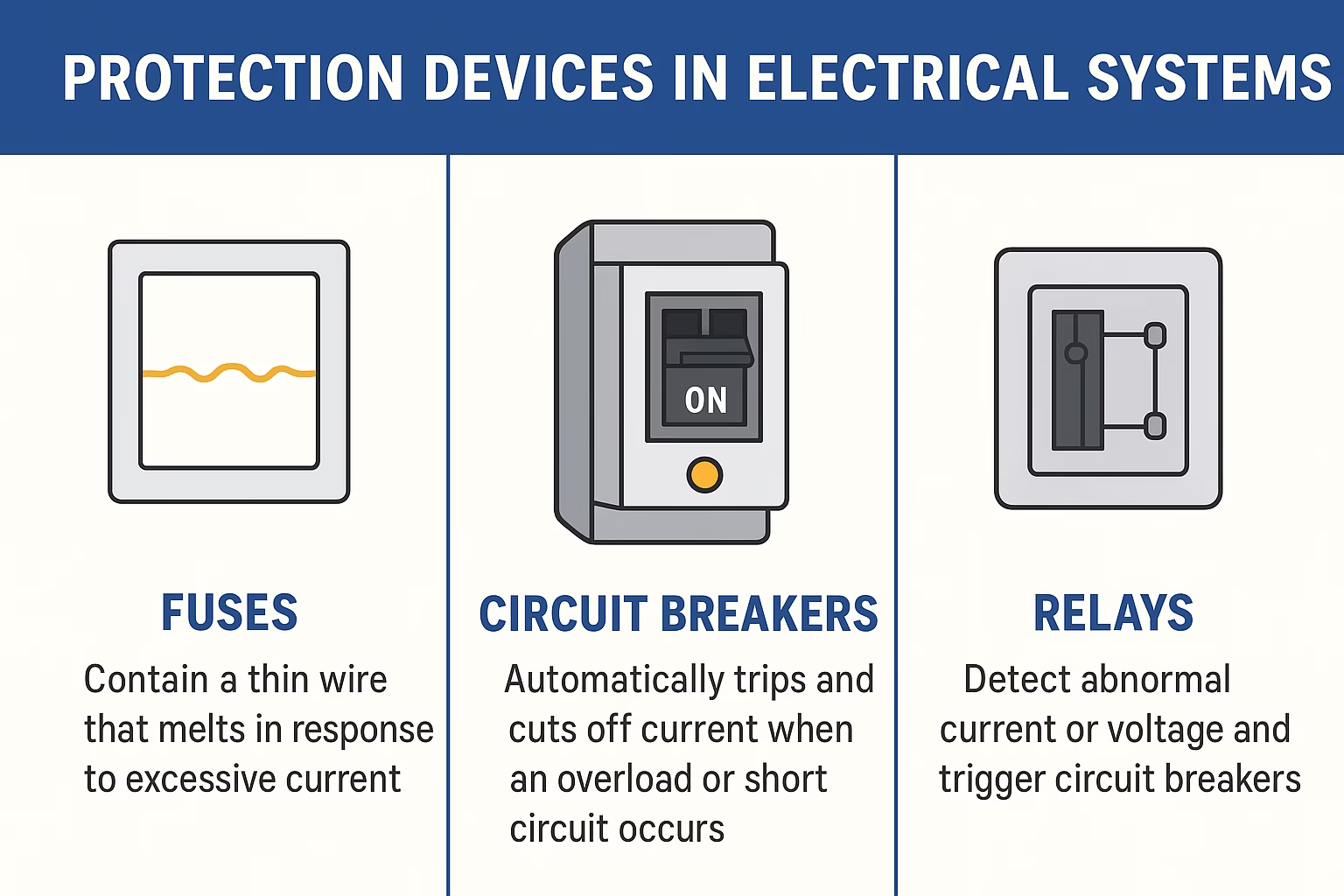
1. Fuses
- Function: A fuse is one of the simplest protection devices. It contains a thin wire that melts when excessive current flows through it.
- Application: Commonly used in small appliances, residential wiring, and automotive systems.
- Advantage: Low cost and easy to replace.
- Limitation: Must be replaced after operation.
2. Circuit Breakers
- Function: A circuit breaker automatically trips and cuts off current when it detects overcurrent or a short circuit. Unlike fuses, it can be reset.
- Types:
- Miniature Circuit Breaker (MCB) – for residential and commercial circuits.
- Molded Case Circuit Breaker (MCCB) – for industrial systems.
- Residual Current Circuit Breaker (RCCB) – protects against earth leakage and shocks.
- Air Circuit Breaker (ACB) – used in high-voltage applications.
- Advantage: Can be reused after tripping, reliable protection.
3. Relays
- Function: Relays detect abnormal current or voltage and trigger circuit breakers to disconnect the faulty part.
- Types: Electromagnetic relays, thermal relays, differential relays, and distance relays.
- Application: Widely used in power plants, substations, and automation systems.
4. Surge Protection Devices (SPD)
- Function: Protects electrical equipment from voltage spikes caused by lightning or switching surges.
- Application: Installed in homes, data centers, and industrial facilities to safeguard sensitive electronics.
5. Residual Current Devices (RCD)
- Function: Detects leakage current to the ground (earth fault) and disconnects power quickly to prevent electric shock.
- Application: Essential in residential and commercial buildings for personal protection.
6. Overload Protection Devices
- Function: Protects motors and circuits from prolonged overcurrent that could cause overheating.
- Examples: Thermal overload relays, electronic overload protectors.
7. Ground Fault Circuit Interrupter (GFCI)
- Function: Detects imbalance in current flow between live and neutral conductors, shutting down power instantly.
- Application: Common in wet areas like kitchens and bathrooms.
Importance of Protection Devices in Electrical
Electrical protection devices provide multiple benefits that make them indispensable:
- Safety of Human Life – Preventing electrocution and fire hazards.
- Equipment Protection – Avoiding costly damage to electrical machinery.
- System Reliability – Ensuring uninterrupted power supply.
- Compliance with Standards – Meeting international safety standards like IEC, IEEE, and NEC.
- Minimizing Downtime – Quick fault isolation reduces operational losses.
Protection Devices in Electrical Residential vs. Industrial Systems
- Residential Systems:
Typically use MCBs, RCCBs, fuses, and SPDs to protect household appliances and residents. - Industrial Systems:
Require advanced devices like MCCBs, ACBs, relays, and overload protection systems to safeguard heavy machinery and large-scale power distribution.
Best Practices for Using Protection Devices in Electrical
To ensure optimal performance, follow these best practices:
- Select devices based on load requirements and fault levels.
- Regularly test and maintain protection devices.
- Install surge protection in sensitive electronic systems.
- Use RCCBs or GFCIs in areas with high risk of electric shock.
- Follow manufacturer’s specifications and safety codes.
Future Trends in Protection Devices in Electrical
The future of electrical protection devices is moving towards smart and digital solutions:
- Smart Circuit Breakers with IoT integration for remote monitoring.
- Predictive Maintenance using sensors and AI to forecast failures.
- Energy-Efficient Designs that minimize power losses.
- Renewable Integration with protection schemes tailored for solar and wind energy systems.
These advancements will enhance system safety while supporting modern energy demands.
Conclusion
Electrical protection devices are the backbone of electrical safety and reliability. From simple fuses in homes to advanced relays in power plants, these devices prevent accidents, save lives, and protect investments. As technology advances, smarter protection systems will continue to make electrical networks safer and more efficient.
For anyone involved in electrical engineering, construction, or industrial operations, understanding and implementing the right protection devices is not just a best practice—it’s a necessity.