
Introduction
Functions of Instrumentation Systems ~ In the modern industrial world, instrumentation systems play a vital role in ensuring the smooth operation of processes, machines, and equipment. These systems are the backbone of measurement, control, and automation, helping industries achieve accuracy, efficiency, and safety. Without effective instrumentation, industries such as oil and gas, chemical processing, power generation, manufacturing, and pharmaceuticals would face significant challenges in maintaining quality and productivity.
This article explores the core functions of instrumentation systems, why they are essential, and how they contribute to industrial applications.
What Are Instrumentation Systems?
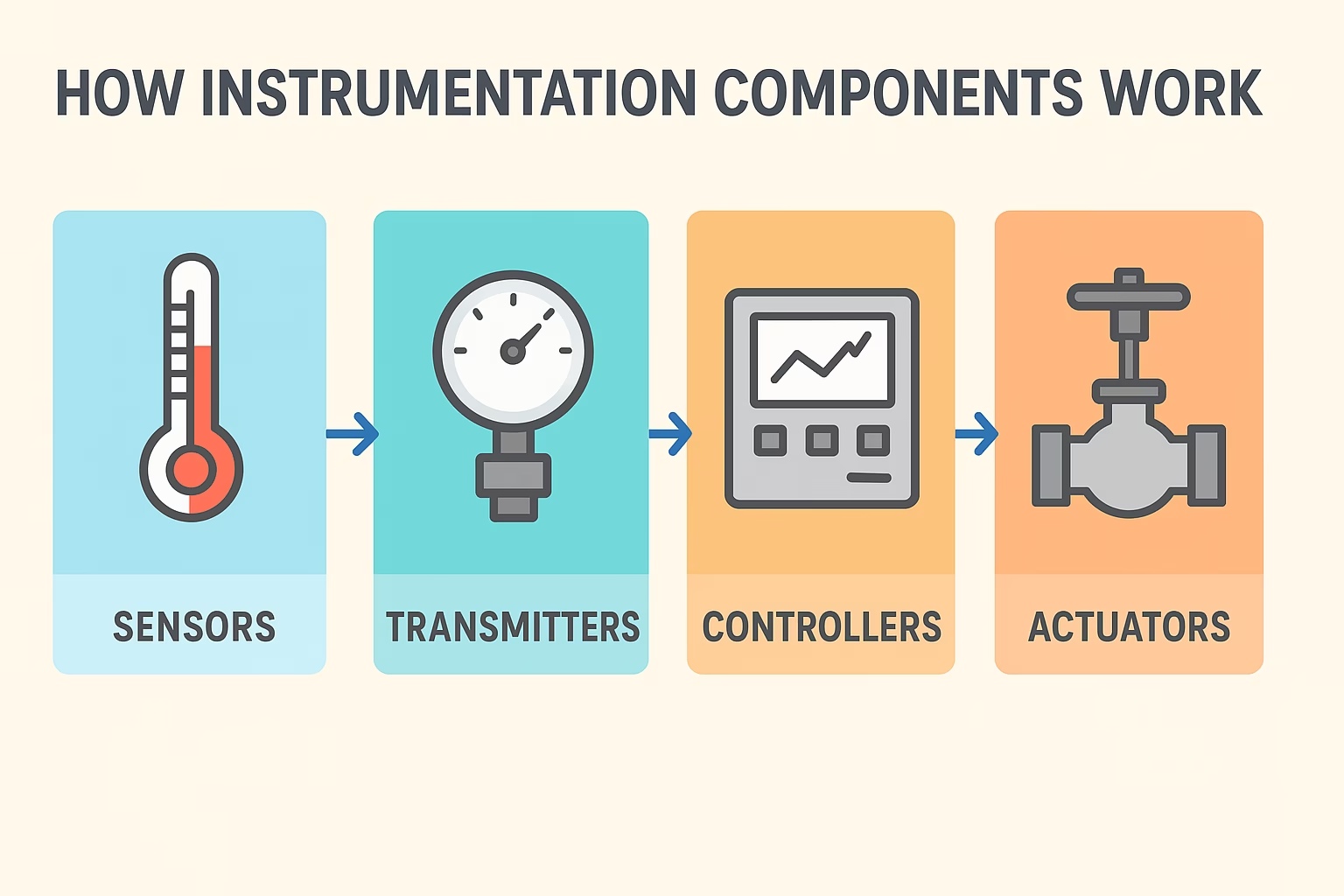
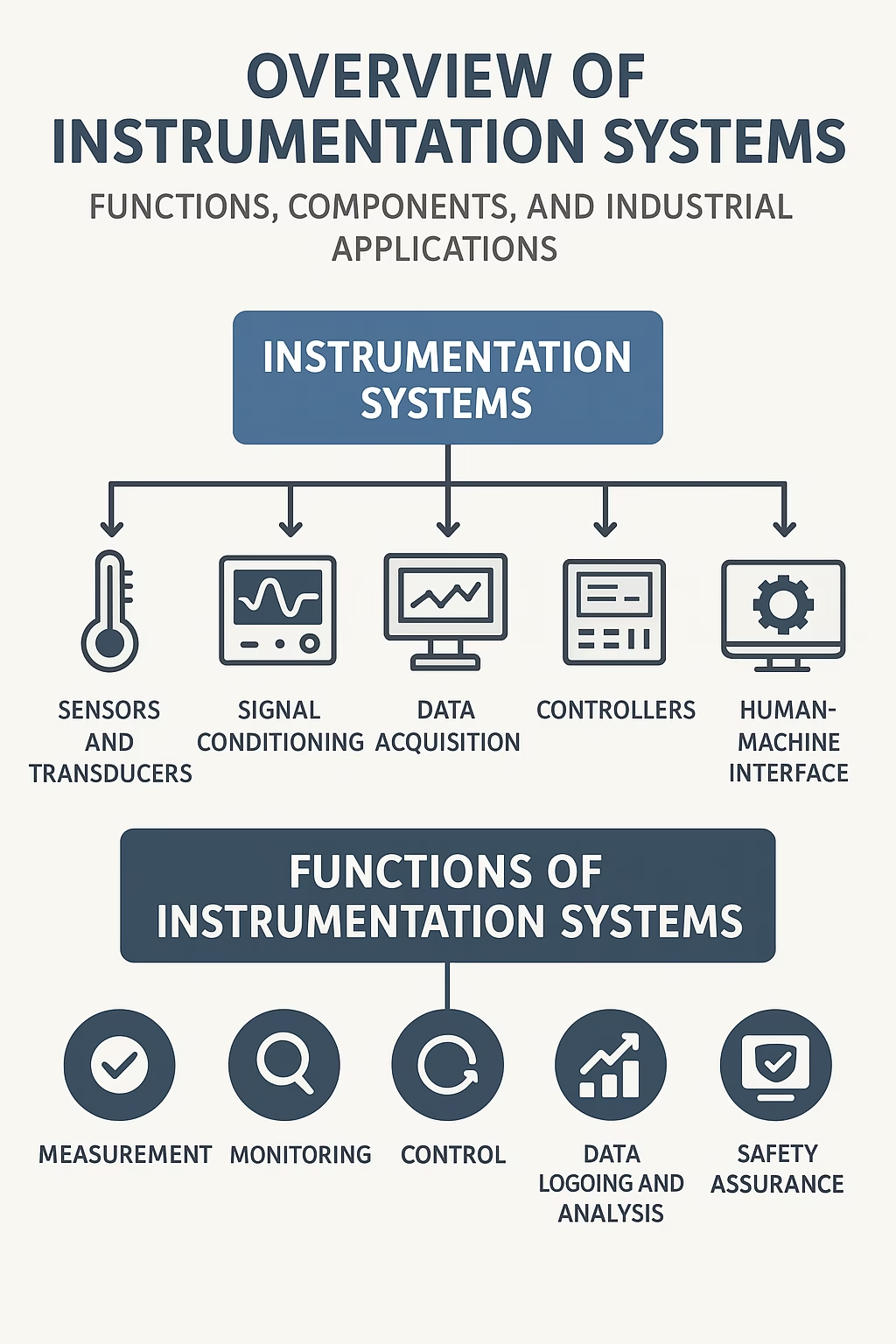
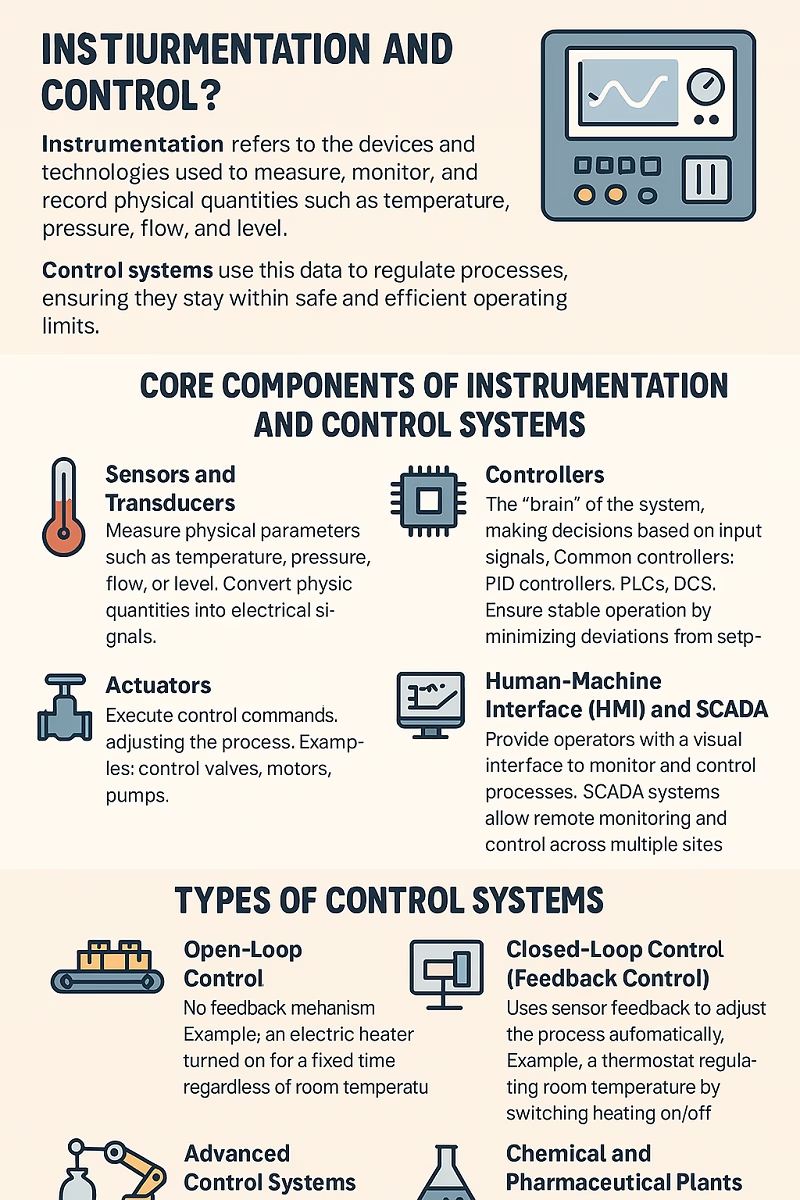
Instrumentation systems consist of devices and equipment used to measure, monitor, and control physical variables such as temperature, pressure, flow, level, and speed. These systems integrate sensors, transmitters, controllers, and display units to provide real-time data and automated control.
By converting physical quantities into readable and actionable information, instrumentation systems bridge the gap between human operators and complex machinery.
Core Functions of Instrumentation Systems
1. Measurement
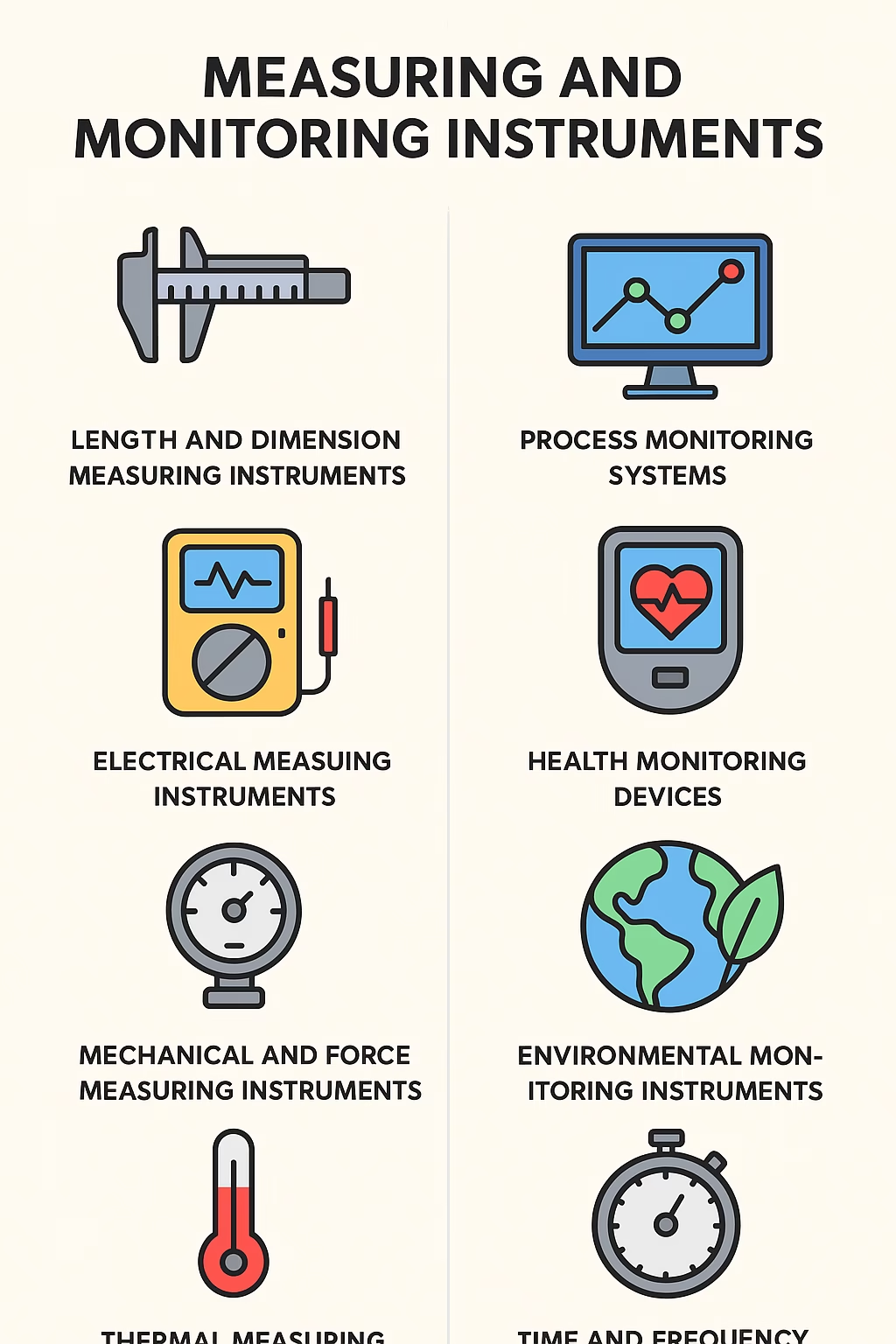
The primary function of instrumentation systems is accurate measurement. Various sensors and transducers measure parameters like:
- Temperature – Using thermocouples, RTDs, or infrared sensors.
- Pressure – With pressure gauges and transducers.
- Flow – Using flow meters (e.g., orifice plates, turbine, magnetic).
- Level – Monitored by ultrasonic or differential pressure sensors.
- Speed and Vibration – Through tachometers and accelerometers.
Accurate measurement ensures that processes remain within their defined operating limits.
2. Functions of Instrumentation Systems: Monitoring
Instrumentation systems continuously monitor process conditions and provide feedback to operators. Real-time monitoring is crucial in industries where deviations can cause damage or unsafe conditions.
Examples include:
- Monitoring boiler pressure in power plants.
- Checking oxygen levels in chemical reactors.
- Observing humidity and temperature in pharmaceutical production.
This monitoring function prevents errors and enhances decision-making for operators.
3. Control
Another critical function is process control. Control systems adjust process variables to maintain desired output levels. Control can be:
- Manual Control – Operator makes adjustments based on readings.
- Automatic Control – Systems like PID controllers maintain variables at setpoints.
- Advanced Control – Distributed Control Systems (DCS) or Programmable Logic Controllers (PLCs) handle complex operations.
For example, a temperature controller in a furnace automatically adjusts the fuel supply to maintain stable heating.
4. Functions of Instrumentation Systems: Automation
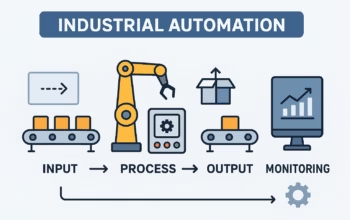
Modern instrumentation systems enable industrial automation, reducing human intervention. Automation increases efficiency and minimizes human error.
Functions include:
- Starting and stopping pumps automatically.
- Regulating chemical dosing in treatment plants.
- Controlling conveyor speeds in manufacturing.
Automation ensures that industries can achieve consistent quality and productivity while reducing costs.
5. Safety and Protection
Instrumentation systems play a vital role in industrial safety by detecting abnormal conditions and initiating corrective actions.
Examples include:
- Emergency shutdown systems (ESD) in oil and gas plants.
- Pressure relief monitoring in boilers.
- Fire and gas detection systems in chemical industries.
By providing alarms, warnings, and automatic shutdowns, instrumentation systems protect both personnel and equipment.
6. Functions of Instrumentation Systems: Data Acquisition and Analysis
Instrumentation systems also collect valuable process data for recording, analysis, and optimization. Data acquisition systems (DAQ) store historical data, which helps in:
- Identifying trends.
- Predicting failures.
- Optimizing process performance.
- Supporting regulatory compliance.
With the integration of Industrial Internet of Things (IIoT), data acquisition is becoming more advanced, allowing remote monitoring and predictive maintenance.
7. Calibration and Standardization
Another important function is ensuring that instruments remain accurate and reliable over time. Regular calibration against standard references ensures compliance with industry regulations and quality standards.

Applications of Functions of Instrumentation Systems in Industry
- Oil & Gas Industry – Monitoring drilling pressure, flow rates, and safety systems.
- Power Plants – Controlling steam boilers, turbines, and emission levels.
- Chemical Processing – Managing chemical reactions with precise temperature and pressure control.
- Pharmaceuticals – Ensuring sterile and accurate production conditions.
- Manufacturing – Automating assembly lines and maintaining product quality.
These applications demonstrate how the functions of instrumentation systems directly support efficiency, reliability, and safety across different industries.
Benefits of Effective Functions of Instrumentation Systems
- Improved Accuracy – Precise measurement reduces errors.
- Higher Productivity – Automation speeds up processes.
- Cost Savings – Preventing equipment failure reduces downtime.
- Enhanced Safety – Early detection of faults prevents accidents.
- Regulatory Compliance – Data records support industry standards.
Future of Instrumentation Functions
With the rise of Industry 4.0 and smart factories, instrumentation functions are evolving. Future developments include:
- Integration with artificial intelligence (AI) for predictive control.
- Use of wireless sensors for remote operations.
- Enhanced cybersecurity in control systems.
- Greater adoption of digital twins for simulation and optimization.
These advancements will further expand the role of instrumentation systems in shaping the industries of tomorrow.
Conclusion
The functions of instrumentation systems—measurement, monitoring, control, automation, safety, data acquisition, and calibration—are indispensable in modern industries. By ensuring accuracy, efficiency, and safety, these systems form the foundation of reliable and optimized industrial operations.
As industries continue to evolve with digital transformation, the importance of instrumentation functions will only grow, paving the way for smarter, safer, and more efficient processes.