
Introduction of Overview of Instrumentation Systems
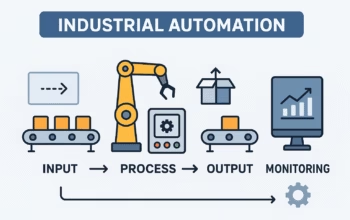
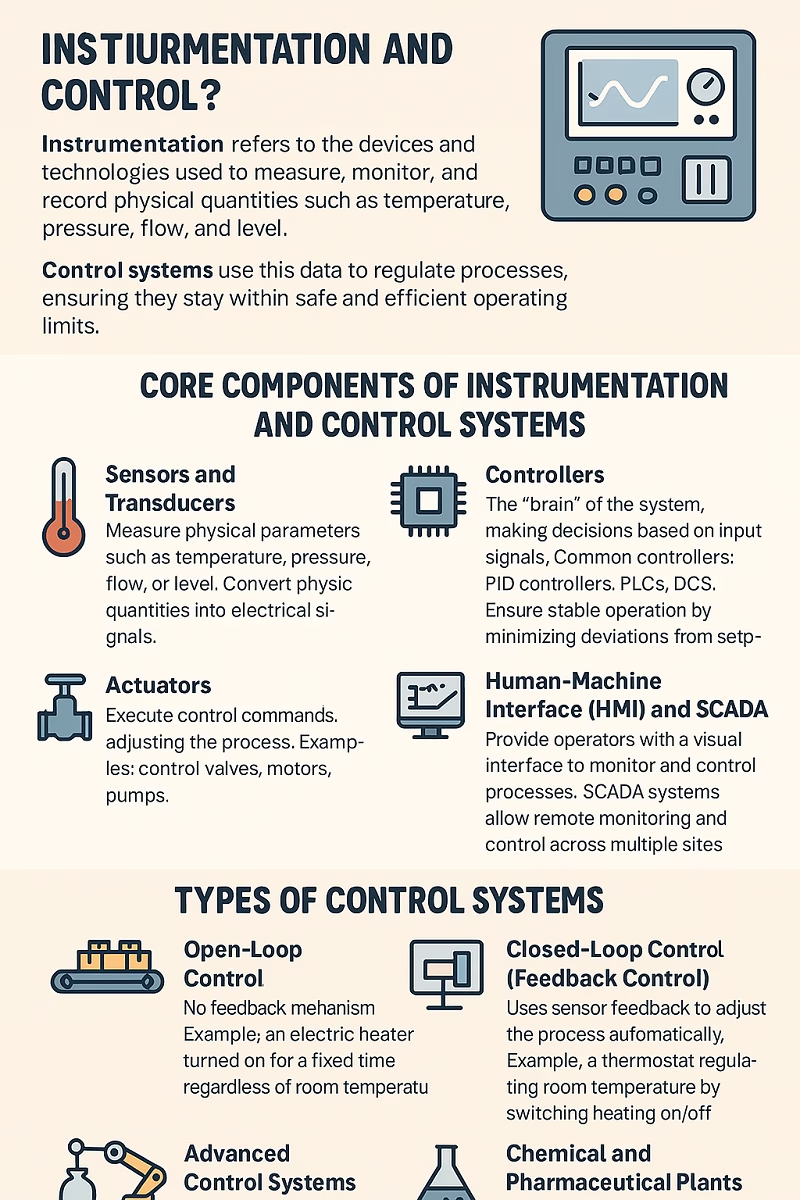
Overview of Instrumentation Systems ~ Instrumentation systems are the backbone of modern industries, enabling precise measurement, monitoring, and control of physical and chemical processes. These systems combine sensors, transducers, controllers, and data acquisition units to ensure that industrial operations run efficiently, safely, and in compliance with regulations. Without reliable instrumentation, industries such as oil and gas, chemical processing, power generation, manufacturing, and pharmaceuticals would struggle to maintain quality and safety standards.
This article provides a comprehensive overview of instrumentation systems, their components, working principles, and applications across different industries.
What Are Instrumentation Systems?
Instrumentation systems are integrated networks of devices used to measure, monitor, and control physical variables such as temperature, pressure, flow, level, and chemical composition. These systems provide essential data for decision-making and automation in industrial processes.
At their core, instrumentation systems are designed to:
- Measure process variables accurately.
- Monitor performance in real-time.
- Control operations automatically through feedback loops.
- Optimize efficiency while ensuring safety.
Read More about What is Instrumentation? A Complete Guide to Principles, Types, and Applications
Key Components of Instrumentation Systems
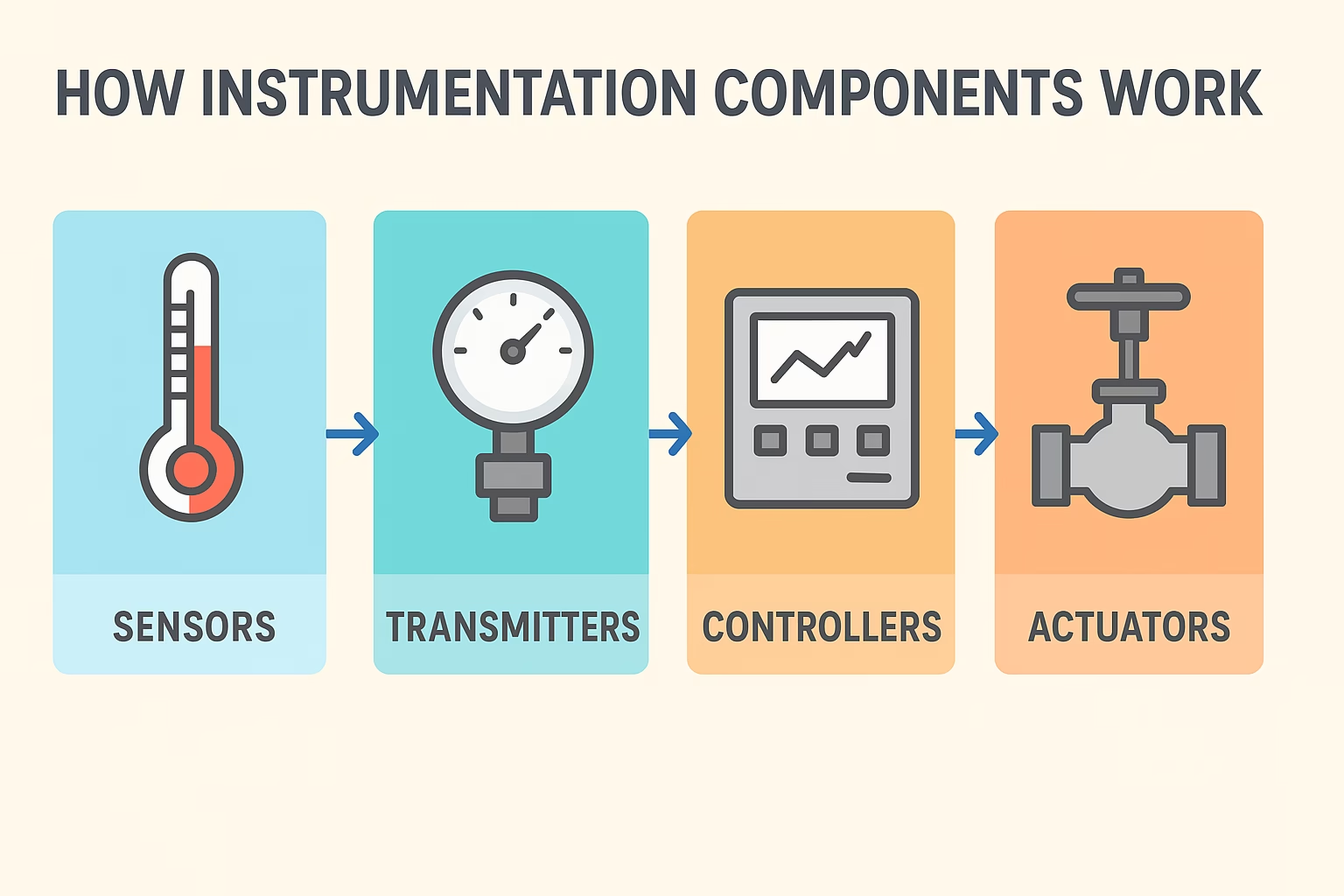
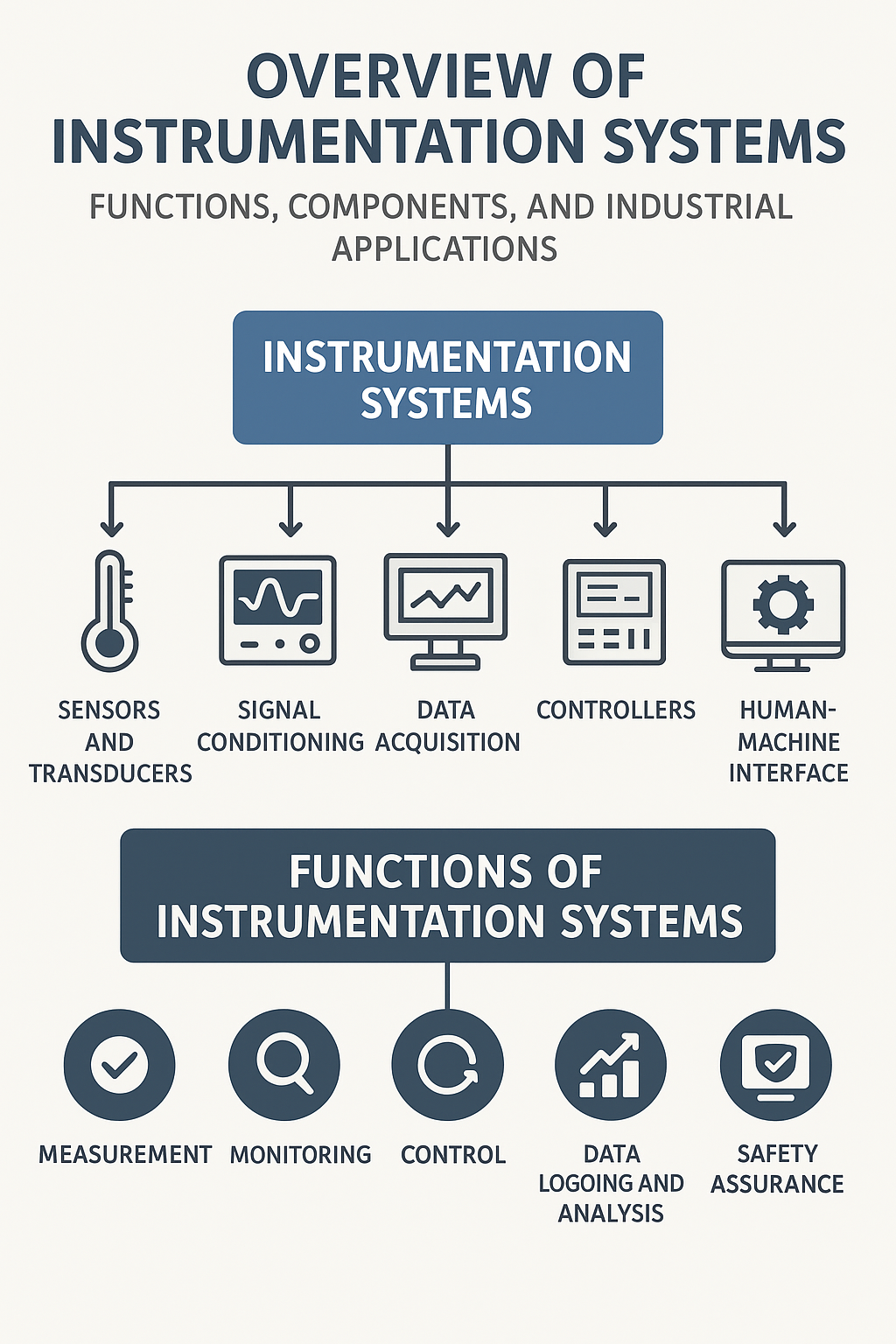
An instrumentation system typically consists of several interconnected components:
1. Sensors and Transducers
- Sensors detect physical changes (e.g., temperature, pressure).
- Transducers convert these physical signals into measurable electrical signals.
Examples include thermocouples, strain gauges, and pressure transducers.
2. Signal Conditioning Devices
Signals generated by sensors are often weak or noisy. Signal conditioners amplify, filter, and convert them into usable forms for further processing.
3. Data Acquisition Systems (DAQ)
DAQ systems collect, digitize, and store signals for monitoring and analysis. They form the bridge between physical processes and computer-based control systems.
4. Controllers
Controllers, such as PLCs (Programmable Logic Controllers) or DCS (Distributed Control Systems), use measurement data to adjust processes automatically.
5. Actuators
Actuators carry out corrective actions based on controller commands—for instance, opening a valve or adjusting motor speed.
6. Human-Machine Interface (HMI)
HMIs allow operators to interact with the system through graphical displays, dashboards, and control panels.
Read More about Core Components of Instrumentation Systems: Functions and Applications
Functions of Instrumentation Systems
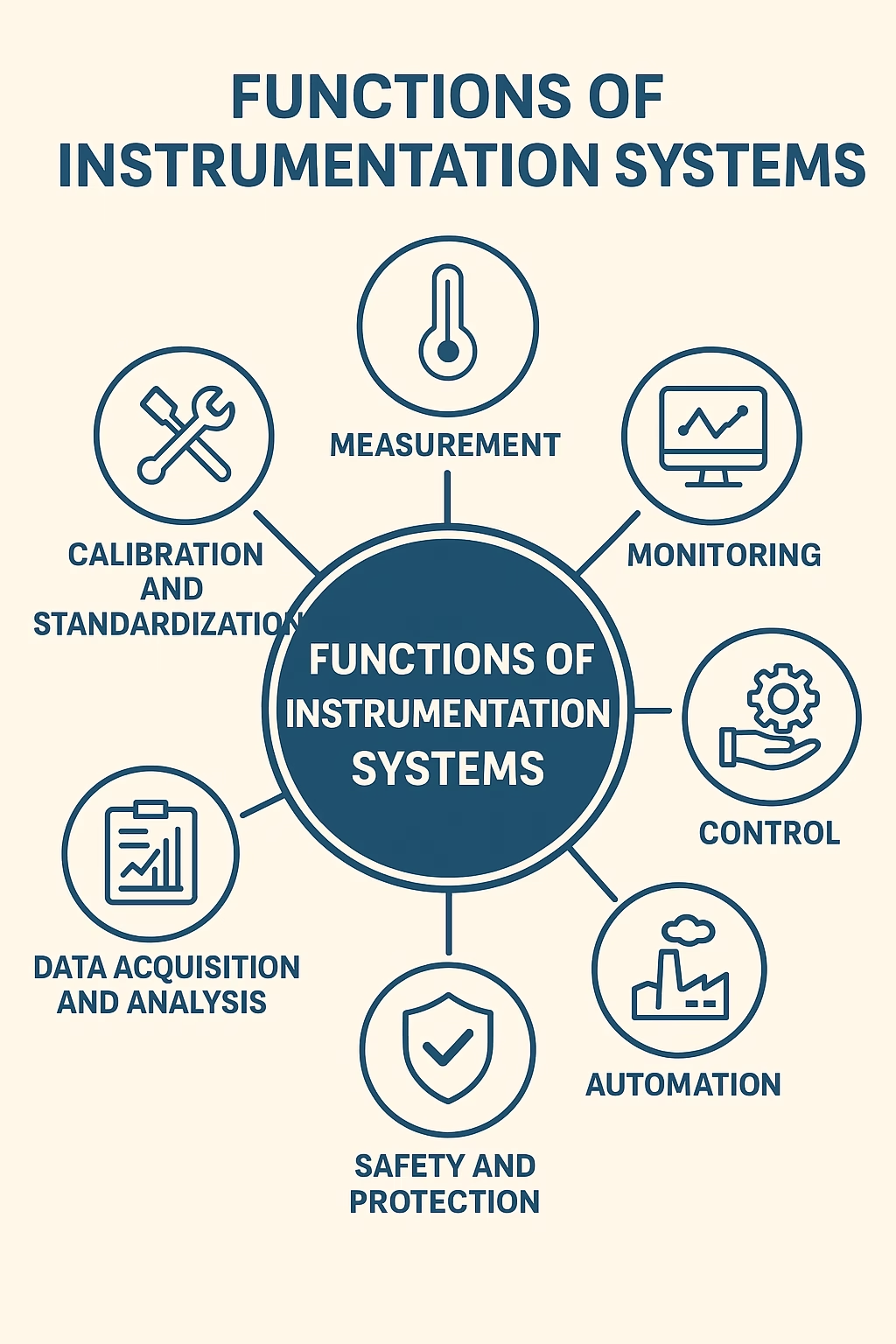
Instrumentation systems perform several critical functions in industrial operations:
- Measurement – Collecting accurate data on variables like temperature, flow, and pressure.
- Monitoring – Tracking conditions continuously to detect abnormalities.
- Control – Regulating processes through feedback loops (e.g., PID control).
- Data Logging and Analysis – Recording data for reporting, troubleshooting, and optimization.
- Safety Assurance – Detecting hazardous conditions and triggering alarms or emergency shutdowns.
Read More about Functions of Instrumentation Systems: A Complete Guide
Types of Instrumentation Systems
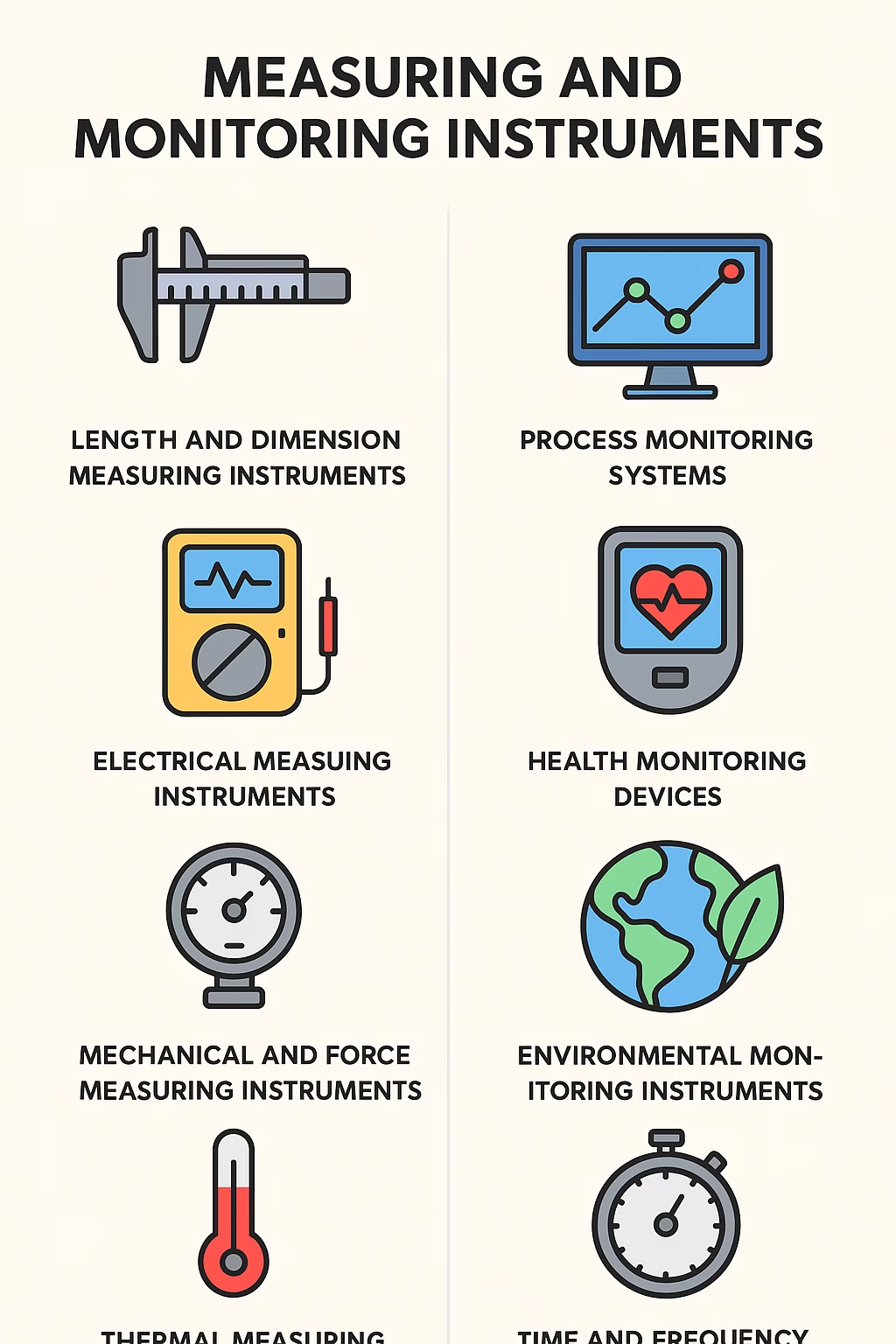
Instrumentation systems can be classified based on their functions:
1. Measurement Systems
Focus on capturing accurate values of process parameters. Example: digital temperature measurement systems.
2. Control Systems
Automate processes using feedback loops. Example: PID controllers in boilers or furnaces.
3. Monitoring Systems
Track real-time conditions without active control. Example: vibration monitoring in rotating machinery.
4. Safety Instrumented Systems (SIS)
Designed to detect and mitigate unsafe conditions by initiating automatic shutdowns.
Read More about Understanding the Different Types of Instrumentation in Modern Industry
Applications of Instrumentation Systems in Industry
Instrumentation systems play a vital role in multiple industrial sectors:
1. Oil and Gas Industry
Used for monitoring pressure, flow, and temperature in pipelines, refineries, and offshore platforms to ensure safety and compliance.
2. Power Generation
Instrumentation systems control boilers, turbines, and generators, optimizing efficiency while preventing accidents.
3. Chemical and Petrochemical Processing
Maintain precise conditions for chemical reactions, ensuring product quality and safety.
4. Manufacturing and Automation
Enable process optimization, quality control, and energy efficiency in production lines.
5. Pharmaceutical Industry
Ensure strict adherence to process parameters for drug safety, quality, and regulatory compliance.
6. Water and Wastewater Treatment
Measure flow, pH, and turbidity to ensure clean water supply and environmentally safe discharge.
Read More about Applications of Instrumentation: Enhancing Accuracy, Safety, and Efficiency Across Industries
Benefits of Instrumentation Systems
Implementing reliable instrumentation systems provides significant advantages:
- Improved Efficiency – Optimizing operations through automation.
- Cost Reduction – Minimizing energy usage and waste.
- Enhanced Safety – Preventing accidents through early detection.
- Better Quality Control – Maintaining consistency in production.
- Regulatory Compliance – Meeting safety and environmental standards.
Read More about The Benefits of Effective Instrumentation for Industrial Performance and Safety
Challenges in Instrumentation Systems
Despite their importance, instrumentation systems face certain challenges:
- Calibration and Maintenance Needs – Sensors and devices must be regularly calibrated for accuracy.
- Harsh Industrial Environments – Dust, heat, and corrosion can degrade equipment performance.
- Cybersecurity Risks – Increasing reliance on digital systems makes them vulnerable to cyber threats.
- Integration with Modern Technologies – Adapting legacy systems to work with IoT and Industry 4.0 platforms.
Read More about Challenges in Instrumentation: Overcoming Technical and Operational Barriers
Future Trends in Instrumentation Systems
The evolution of instrumentation is closely tied to advancements in automation and digitalization. Key trends include:
- Integration with IIoT (Industrial Internet of Things) – Smart sensors and cloud-based monitoring.
- Wireless Instrumentation – Reducing wiring complexity and enabling remote monitoring.
- AI and Machine Learning Applications – Predictive maintenance and advanced process optimization.
- Sustainable Instrumentation – Energy-efficient devices with lower environmental impact.
Read More about Future Trends in Instrumentation: Shaping the Next Industrial Revolution
Conclusion of Overview of Instrumentation Systems
Instrumentation systems form the backbone of modern industry, ensuring that processes are efficient, safe, and compliant with regulations. From oil refineries to pharmaceutical plants, these systems play a critical role in measurement, monitoring, and control. As industries embrace digital transformation and Industry 4.0, instrumentation systems will continue to evolve with smarter, more connected, and more sustainable solutions.
By understanding the fundamentals of instrumentation systems and their applications, industries can optimize performance while preparing for future technological advancements.