
Introduction of Breakthroughs in Consumer Electronics
Breakthroughs in Consumer Electronics ~ Consumer electronics have always been at the forefront of technological innovation, bridging the gap between complex engineering and everyday convenience. From the first transistor radios in the 1950s to today’s AI-powered smart devices, every era has witnessed significant breakthroughs that have transformed how people live, work, and communicate. In the 21st century, consumer electronics are advancing faster than ever before, driven by artificial intelligence (AI), the Internet of Things (IoT), wearable technologies, and sustainable designs.
This article explores the major breakthroughs in consumer electronics that are shaping the future, highlighting their applications, benefits, and long-term impact on industries and consumers alike.
1. Artificial Intelligence (AI) Integration in Devices
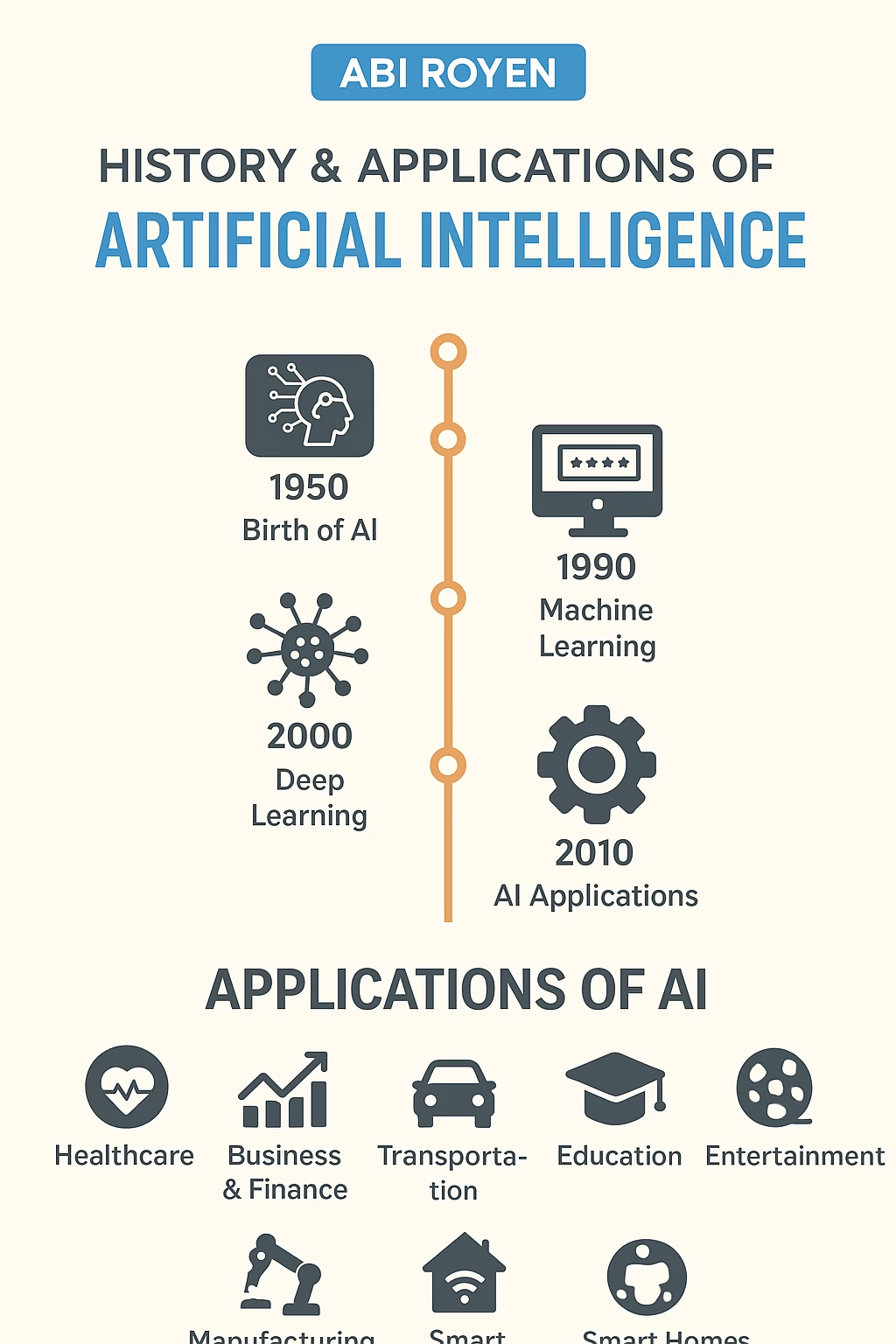
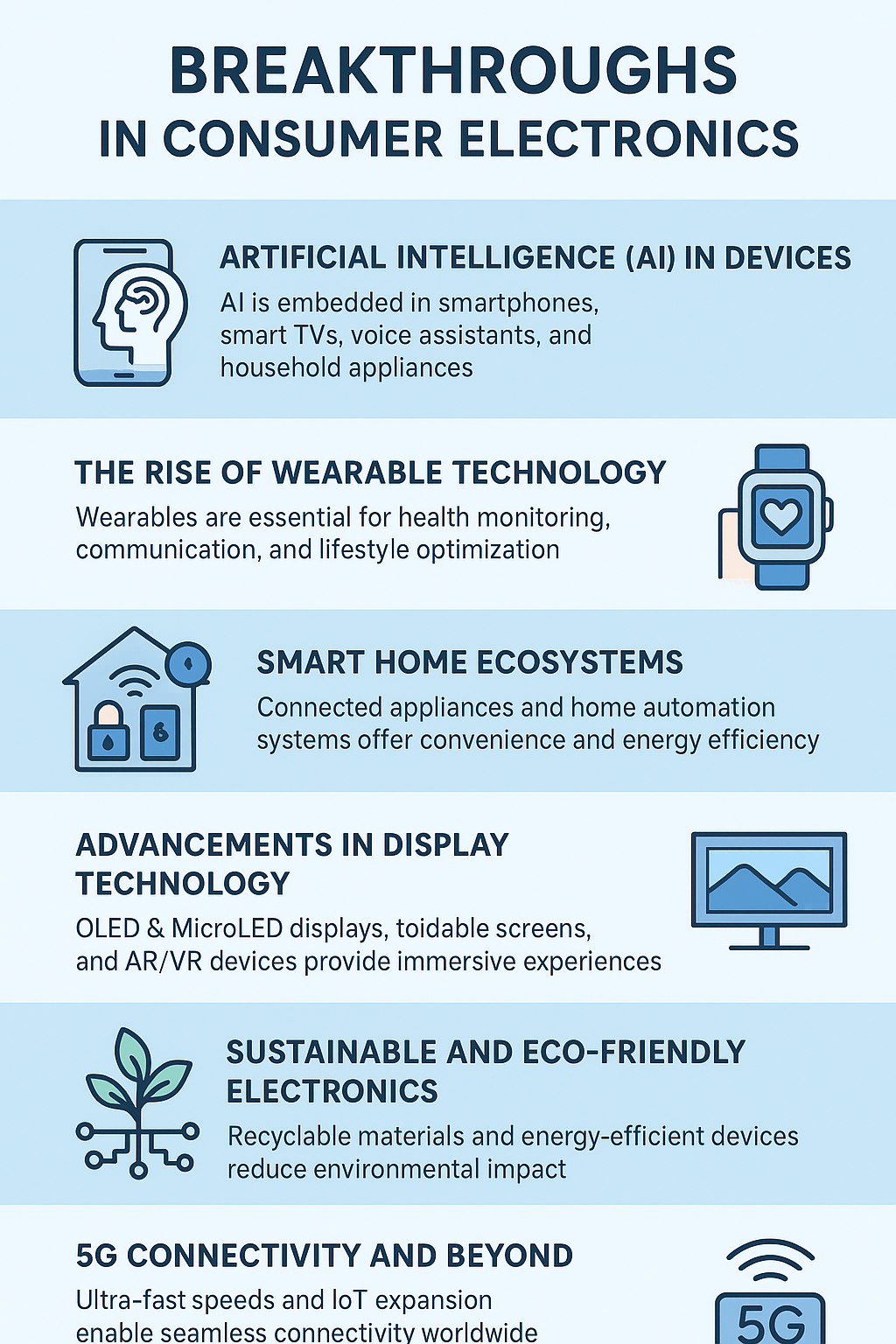
One of the most significant breakthroughs in consumer electronics is the integration of artificial intelligence into everyday devices. AI is no longer confined to laboratories or high-end computing systems—it is embedded in smartphones, smart TVs, voice assistants, and even household appliances.
- AI-Powered Assistants: Devices like Amazon Alexa, Google Assistant, and Apple’s Siri have revolutionized how consumers interact with technology. Voice commands, personalized recommendations, and predictive functions enhance usability.
- AI in Smartphones: Modern smartphones use AI for image recognition, battery optimization, and predictive text input.
- Future Outlook: As AI evolves, devices will become more autonomous, capable of learning user habits and making intelligent decisions.
2. The Rise of Wearable Technology
Wearables are no longer limited to fitness trackers; they are becoming essential tools for health monitoring, communication, and lifestyle optimization.
- Smartwatches: Devices such as the Apple Watch and Samsung Galaxy Watch monitor heart rate, sleep patterns, and even blood oxygen levels.
- Healthcare Integration: Advanced wearables are being developed to detect early signs of diseases, monitor chronic conditions, and send alerts to medical professionals.
- Fashion and Functionality: Smart glasses and AR headsets combine style with immersive technology, paving the way for seamless digital experiences.
Wearables represent a major shift toward personalized health and wellness management, reflecting the growing demand for preventive healthcare technology.
3. Smart Home Ecosystems
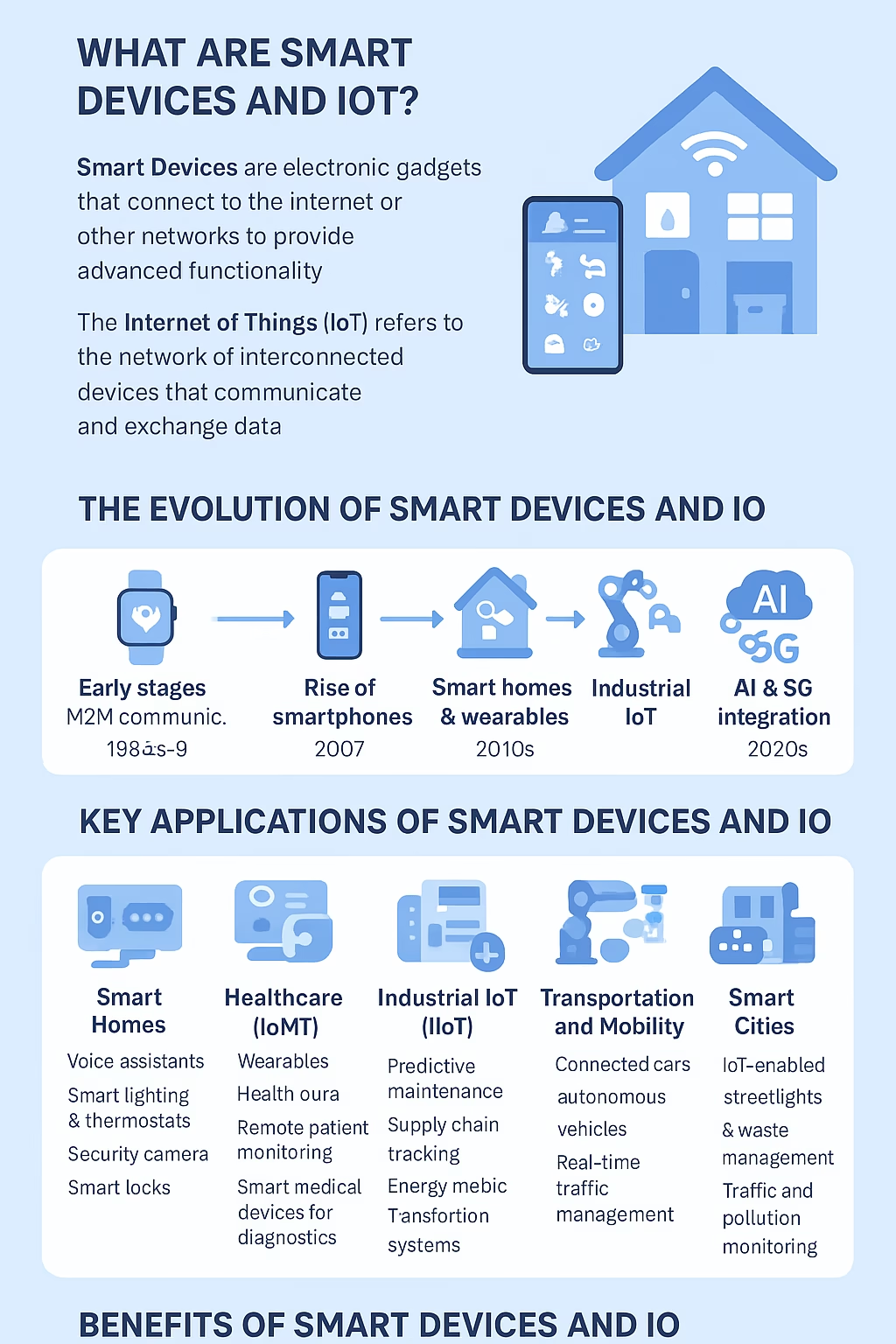
The concept of the smart home has grown from luxury to mainstream, largely due to affordable and interconnected devices.
- Connected Appliances: Refrigerators that track groceries, ovens that follow voice commands, and washing machines with remote control are no longer futuristic—they are present-day realities.
- Home Automation Systems: Platforms like Google Home and Apple HomeKit create integrated ecosystems where lighting, security, and entertainment can be managed from one interface.
- Energy Efficiency: Smart thermostats and lighting systems optimize energy usage, helping households reduce costs and carbon footprints.
The next frontier in smart homes involves fully autonomous systems that respond to environmental changes in real time.
4. Advancements in Display Technology
Display technology continues to be a key factor in consumer electronics innovation. From televisions to smartphones, screens are becoming sharper, more immersive, and energy-efficient.
- OLED & MicroLED Displays: These offer deeper contrasts, wider color ranges, and thinner form factors.
- Foldable Screens: Brands like Samsung and Huawei are redefining the smartphone experience with foldable displays that blend portability with productivity.
- Augmented and Virtual Reality (AR/VR): High-resolution displays in AR/VR devices enable immersive experiences for gaming, education, and remote collaboration.
The future of displays lies in holographic and transparent screens, opening endless possibilities in consumer electronics.
5. Sustainable and Eco-Friendly Electronics
Sustainability has become a central theme in electronics innovation. Manufacturers are increasingly focusing on reducing e-waste and carbon emissions.
- Recyclable Materials: Companies are designing products with recyclable plastics, metals, and biodegradable packaging.
- Energy-Efficient Devices: Solar-powered gadgets and low-consumption electronics contribute to sustainable living.
- Circular Economy: Major brands are encouraging device recycling and trade-in programs to minimize waste.
This shift reflects consumer demand for environmentally responsible technology, aligning electronics with global sustainability goals.
6. 5G Connectivity and Beyond
Connectivity is the backbone of consumer electronics, and the rollout of 5G networks has unlocked new opportunities.
- Faster Speeds: 5G provides ultra-fast data transfer, enabling seamless streaming, gaming, and remote work.
- IoT Expansion: Billions of devices can now connect simultaneously, strengthening the foundation for smart cities and interconnected lifestyles.
- Future Outlook: Research into 6G technology promises even greater speeds, reduced latency, and new applications in autonomous vehicles and telemedicine.
The combination of 5G and consumer electronics ensures a hyper-connected future where devices communicate seamlessly.
7. Breakthroughs in Battery and Charging Technology
Battery performance is critical for the usability of portable electronics. Recent advancements are solving long-standing challenges.
- Fast Charging: Modern smartphones and laptops now support ultra-fast charging, reducing downtime.
- Wireless Charging: Furniture, vehicles, and public spaces are integrating wireless charging pads for convenience.
- Next-Generation Batteries: Solid-state batteries are being developed to provide longer life cycles, higher safety, and faster recharge times.
These improvements enhance mobility and support the growing reliance on portable and wearable electronics.
8. Consumer Electronics and the Metaverse
The rise of the metaverse has created demand for advanced consumer electronics that support immersive experiences.
- VR Headsets: Devices like Meta Quest and PlayStation VR offer gateways to digital worlds.
- AR Glasses: Tech giants are developing lightweight, stylish glasses to merge physical and virtual realities.
- Haptic Feedback Devices: Wearables with touch-sensitive technology enhance immersion in gaming, training, and entertainment.
This breakthrough represents a new frontier in human interaction, transforming how people socialize, work, and consume digital content.
Conclusion of Breakthroughs in Consumer Electronics
The world of consumer electronics is evolving at an unprecedented pace. Breakthroughs in AI, wearables, smart homes, displays, sustainability, connectivity, batteries, and the metaverse are not just shaping devices but also redefining modern lifestyles.
As innovations continue to emerge, consumer electronics will become more intelligent, interconnected, and eco-friendly. For businesses, this represents vast opportunities for growth; for consumers, it promises a future where technology enhances every aspect of daily life.
The next decade will likely witness even more transformative breakthroughs, pushing consumer electronics beyond imagination and cementing their role as the driving force of the digital age.