Introduction of Safety Tips of Electricity
Safety Tips of Electricity ~ Electricity is one of the greatest inventions that powers our modern lives. From lighting up our homes to operating advanced machinery in industries, electricity is indispensable. However, with all its benefits, electricity can also be dangerous if not handled properly. Electrical accidents such as shocks, burns, and even fatal electrocution can occur due to negligence, lack of awareness, or faulty installations.
According to global safety reports, thousands of electrical fires and accidents are recorded every year, many of which could have been avoided by following basic safety precautions. This article will explore the most important safety tips of electricity that you can apply at home, in the workplace, and outdoors. By following these guidelines, you can protect yourself, your family, and your property from the hazards of electricity.
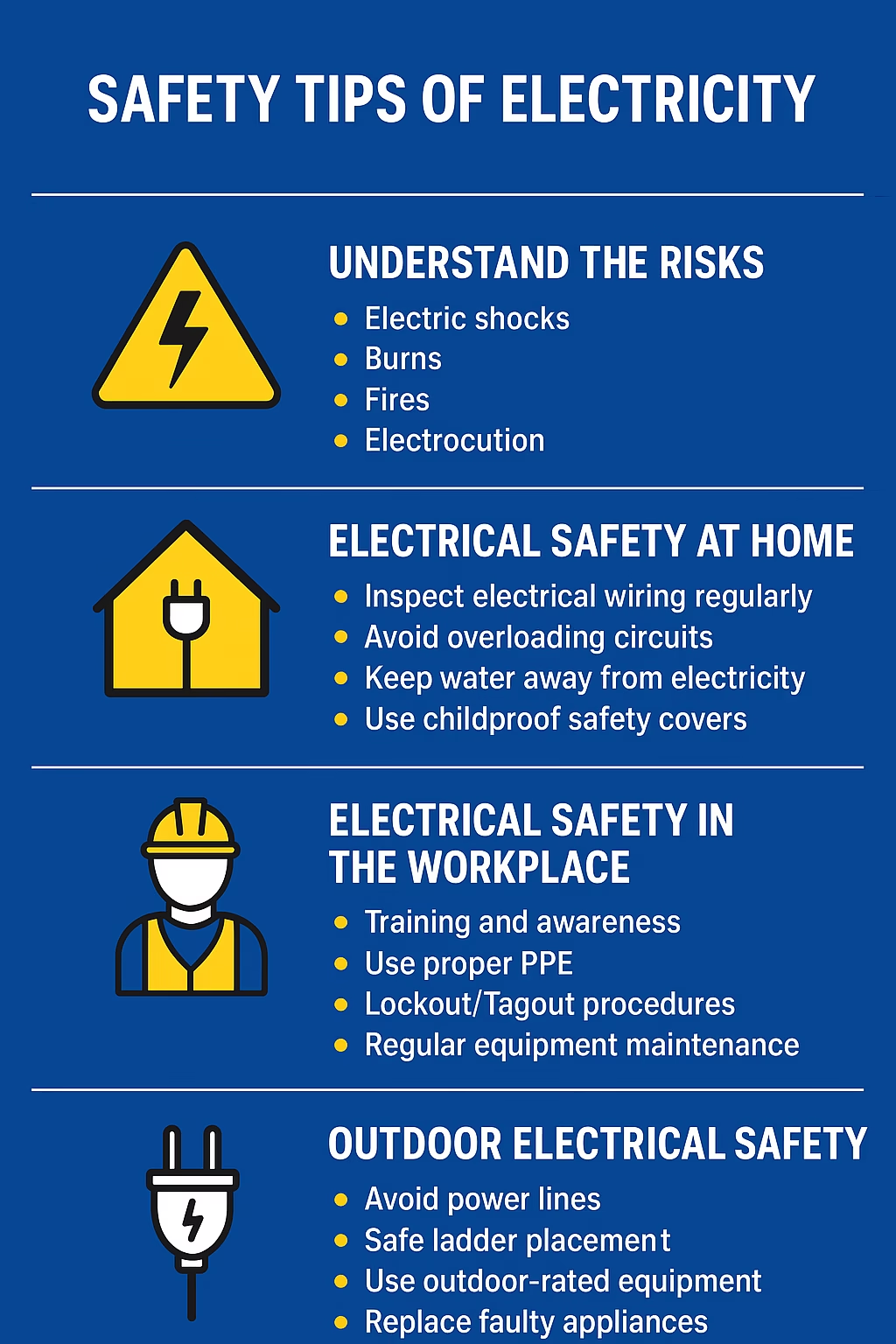
1. Understand the Risks of Electricity
Before learning about safety measures, it is important to understand the potential risks associated with electricity:
- Electric shocks: Occur when the human body comes into direct contact with electrical current.
- Burns: High-voltage accidents can cause severe burns to the skin and tissues.
- Fires: Faulty wiring or overloaded circuits can easily cause electrical fires.
- Electrocution: In extreme cases, electrical accidents can result in death.
Awareness of these risks is the first step to ensuring safety.
2. Electrical Safety at Home
Your home is where you and your family spend most of your time, so electrical safety here should be a top priority.
a. Inspect Electrical Wiring Regularly
Old or damaged wiring is a common cause of electrical fires. Hire a licensed electrician to inspect your home’s electrical system every few years. Look for signs of wear such as frayed cords, flickering lights, or burning smells near outlets.
b. Avoid Overloading Circuits
Plugging too many devices into a single outlet or extension cord can cause overheating. Use power strips with surge protection and avoid connecting multiple high-power appliances to the same socket.
c. Keep Water Away from Electricity
Water is an excellent conductor of electricity. Never use electrical appliances near sinks, bathtubs, or swimming pools. Dry your hands before touching switches or plugs.
d. Use Childproof Safety Covers
If you have children, install safety covers on unused electrical outlets to prevent them from inserting objects.
e. Unplug Unused Devices
Not only does unplugging save electricity, but it also reduces the risk of overheating or accidental fires.
3. Safety Tips of Electricity in the Workplace
Workplaces, especially those involving heavy machinery and electrical equipment, require strict adherence to safety rules.
a. Training and Awareness
Employees should be trained on how to operate electrical equipment safely. They should also be aware of emergency procedures in case of accidents.
b. Use Proper Personal Protective Equipment (PPE)
For industrial workers, insulated gloves, rubber-soled shoes, and protective clothing are essential when dealing with electrical systems.
c. Lockout/Tagout Procedures
Before repairing or maintaining electrical systems, always ensure the power is switched off and locked out to prevent accidental re-energization.
d. Regular Equipment Maintenance
Machines and electrical panels must be inspected frequently. Loose connections, damaged insulation, or overheating components should be fixed immediately.
4. Outdoor Safety Tips of Electricity
Electricity hazards are not limited to indoors. Outdoor activities can also pose risks.
- Avoid power lines: Stay away from fallen power lines and never attempt to remove objects stuck on them. Report such incidents to your utility company immediately.
- Safe ladder placement: When using ladders, ensure they are kept at a safe distance from overhead power lines.
- Use outdoor-rated equipment: Extension cords, lights, and tools used outdoors should be weather-resistant and designed for outdoor use.
5. Appliance Safety Tips of Electricity
Household and office appliances can also pose risks if used incorrectly.
- Check product certifications: Always buy appliances with certified safety standards (such as CE, UL, or IEC).
- Read instruction manuals: Follow the manufacturer’s guidelines for installation and usage.
- Disconnect before cleaning: Always unplug appliances before cleaning or repairing them.
- Replace faulty appliances: Do not continue using devices that spark, overheat, or emit unusual smells.
6. Emergency Preparedness
Despite all precautions, accidents may still occur. Being prepared can minimize damage and save lives.
- Install smoke detectors: They provide early warnings of electrical fires.
- Have a fire extinguisher: Use only a Class C fire extinguisher for electrical fires. Never use water.
- Learn first aid for electric shock: Knowing CPR and basic first aid techniques can be life-saving in emergencies.
- Emergency contacts: Keep the numbers of electricians, fire services, and hospitals handy.
7. Modern Safety Innovations
Technology has improved electrical safety over the years. Here are some devices you should consider installing:
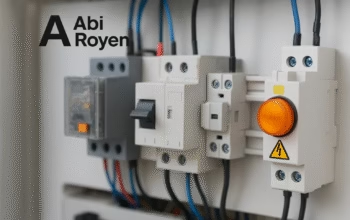
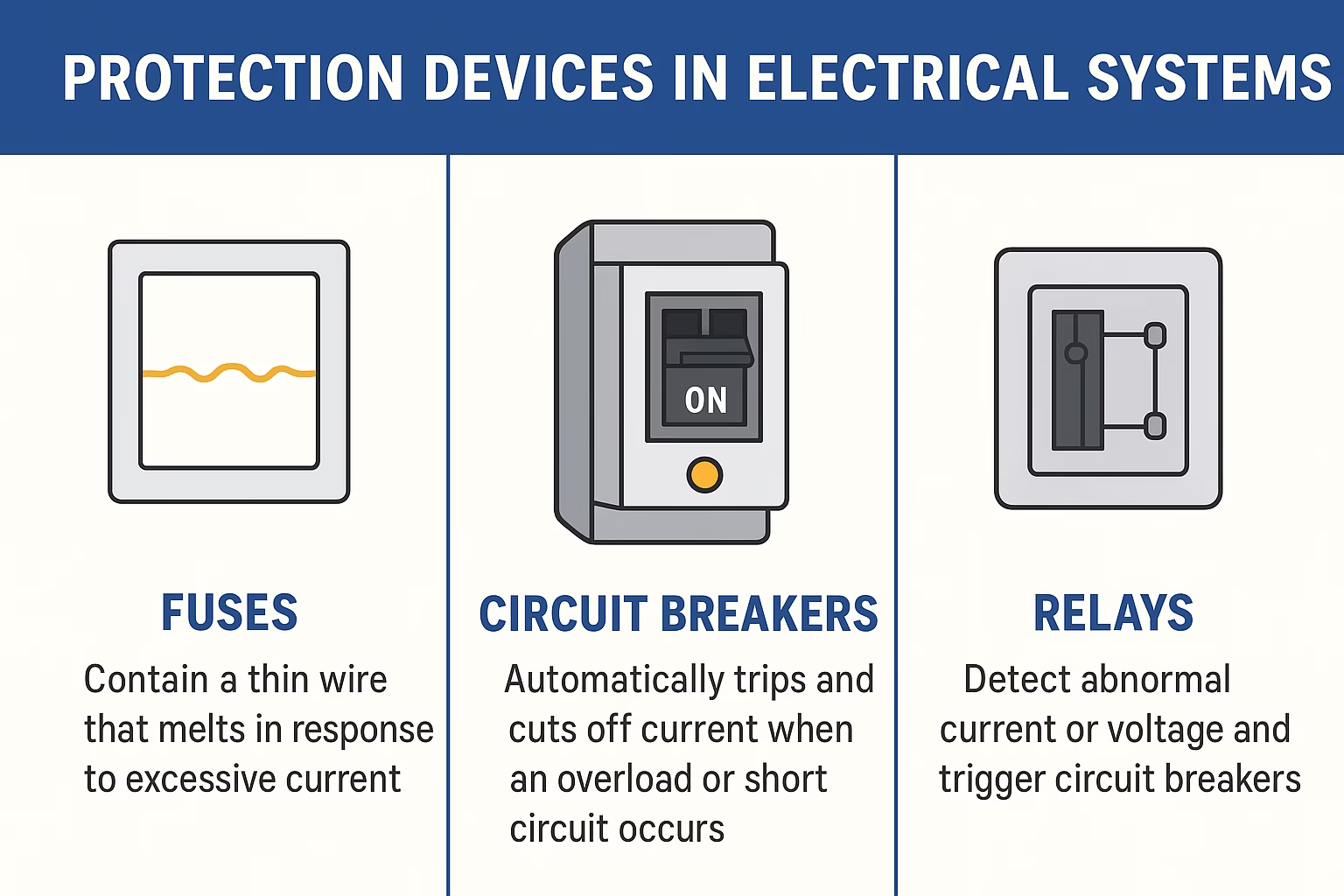
- Residual Current Devices (RCDs): Protect against electric shocks by cutting off power instantly when a fault is detected.
- Surge Protectors: Prevent damage to appliances during voltage spikes.
- Smart Home Systems: Monitor and control energy usage while providing alerts for electrical hazards.
Conclusion of Safety Tips of Electricity
Electricity is both powerful and dangerous. By practicing proper electrical safety tips at home, workplace, and outdoors, you can prevent accidents, injuries, and even fatalities. Remember that most electrical hazards are avoidable with awareness, regular maintenance, and responsible usage.
Staying safe with electricity is not just about protecting yourself but also ensuring the safety of your loved ones and your property. Always respect electricity, follow safety rules, and when in doubt, consult a licensed professional.