Introduction Core Purpose of Instrumentation
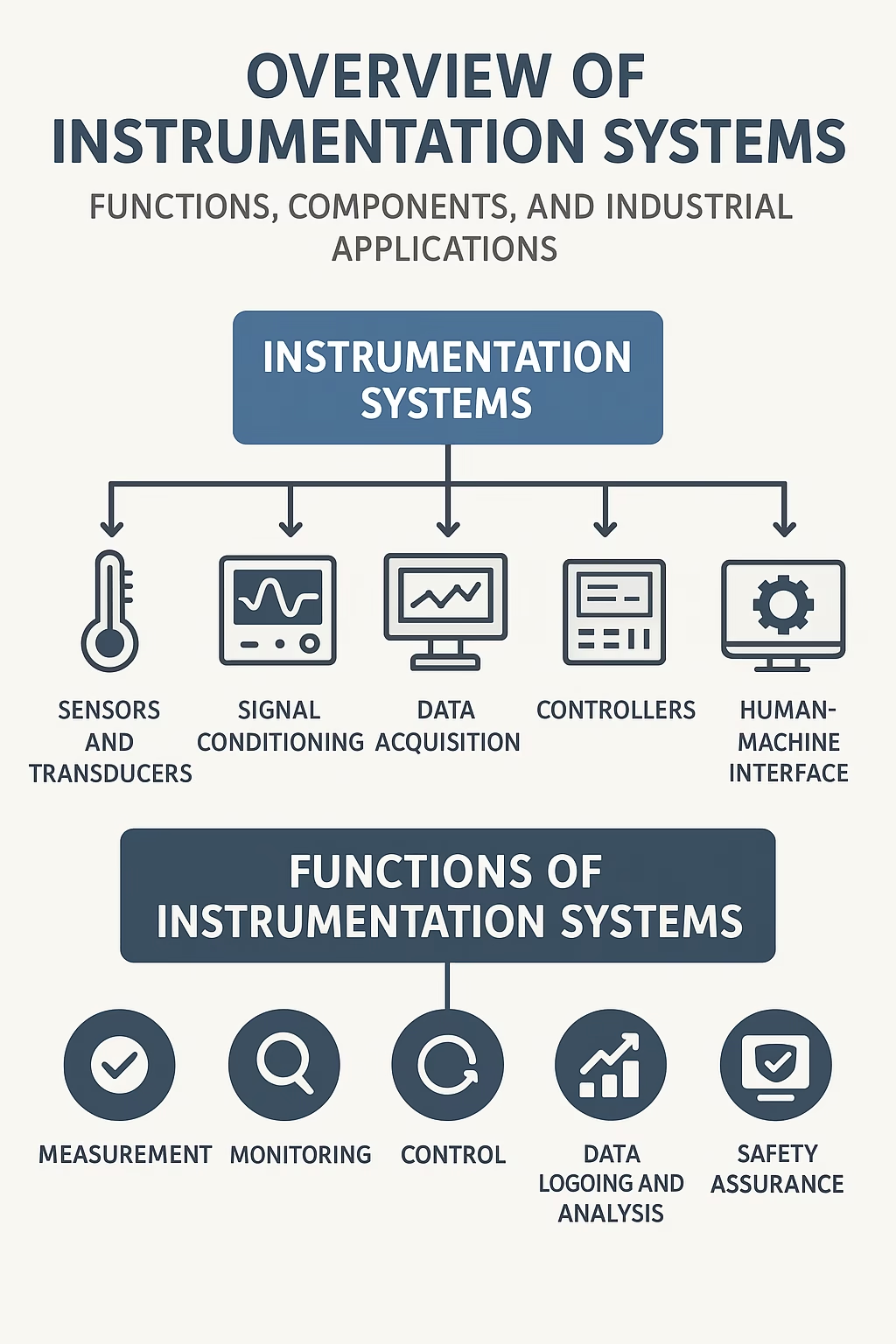
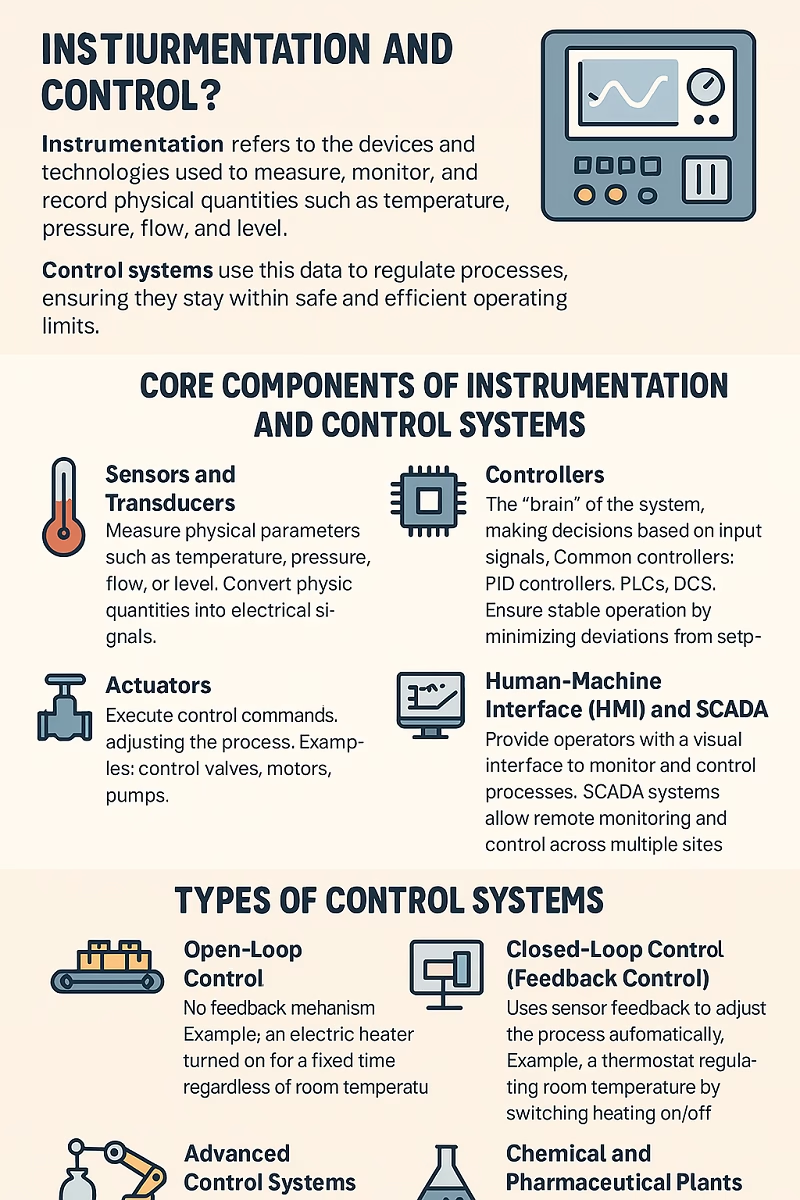
Core Purpose of Instrumentation ~ Instrumentation is at the heart of modern engineering and industrial processes. Whether in manufacturing, energy, healthcare, or research, instrumentation provides the tools and techniques to measure, monitor, and control physical variables such as pressure, temperature, flow, and level. Without precise instrumentation, industries would struggle to maintain efficiency, ensure safety, and optimize productivity.
This article explores the core purpose of instrumentation, why it is essential, and how it shapes the foundation of industrial automation and process control.
1. Defining Instrumentation
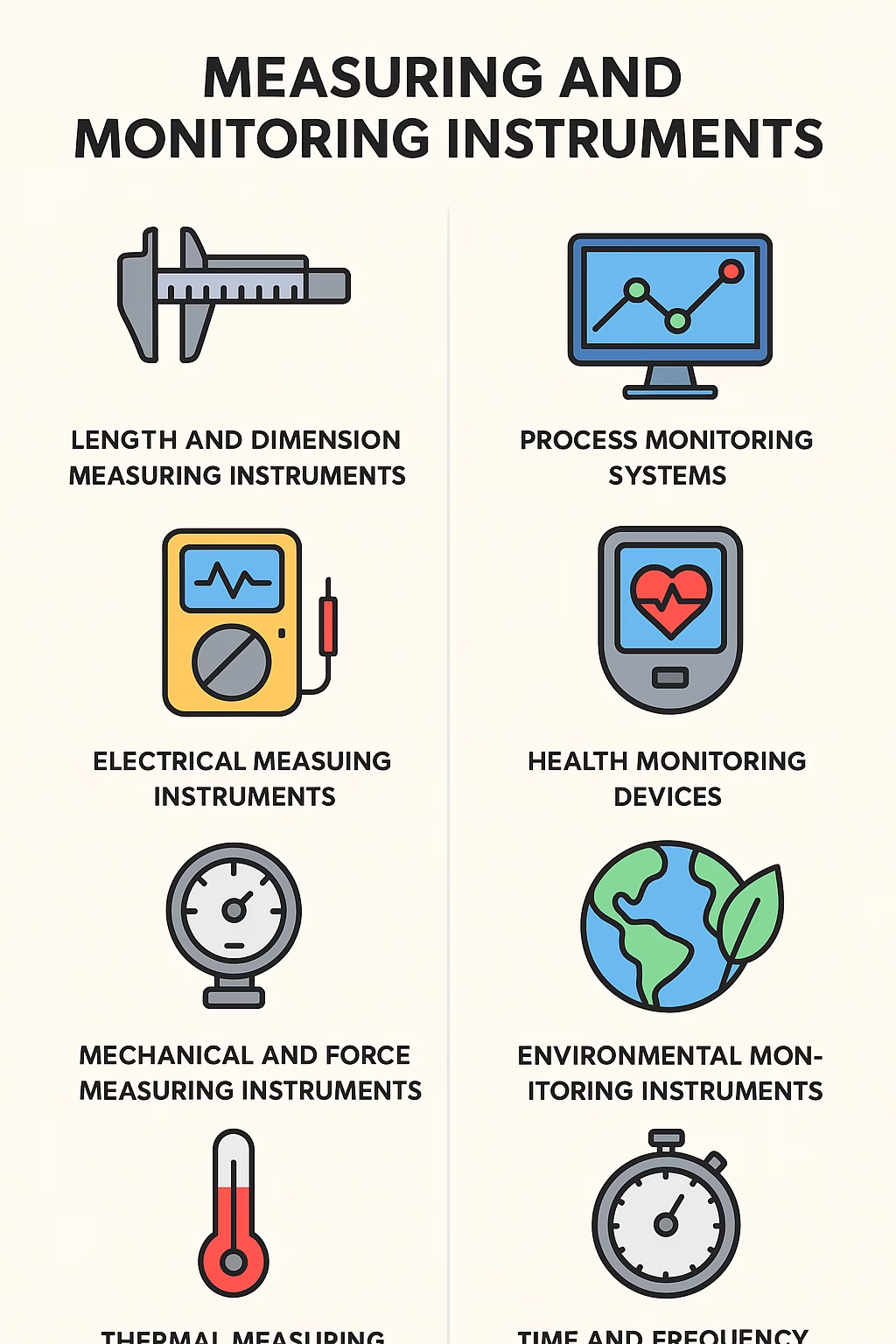
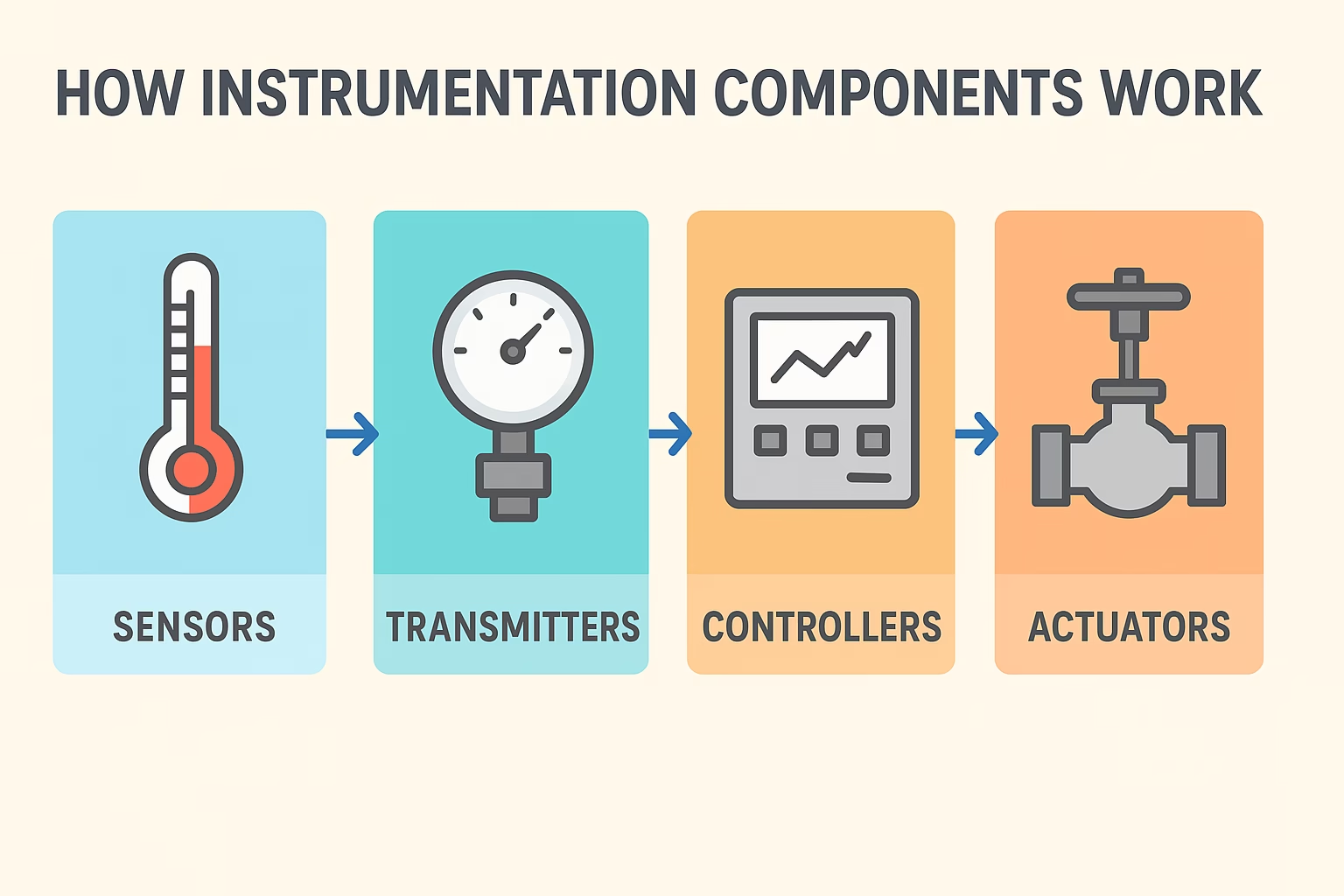
Instrumentation refers to the science and technology of measuring and controlling process variables within a production or experimental system. It involves devices such as sensors, transmitters, controllers, indicators, and recorders that work together to ensure accurate monitoring and regulation of systems.
Some common parameters measured by instrumentation include:
- Temperature – measured using thermocouples, RTDs, or infrared sensors.
- Pressure – measured by manometers, Bourdon tubes, or electronic pressure transmitters.
- Flow – monitored using orifice plates, magnetic flow meters, or turbine meters.
- Level – tracked through ultrasonic sensors, radar, or float-based level indicators.
Each of these measurements plays a role in ensuring industrial processes remain within safe and efficient operating conditions.
Read More about Definition of Instrumentation: Principles, Components, and Applications
2. The Core Purpose of Instrumentation
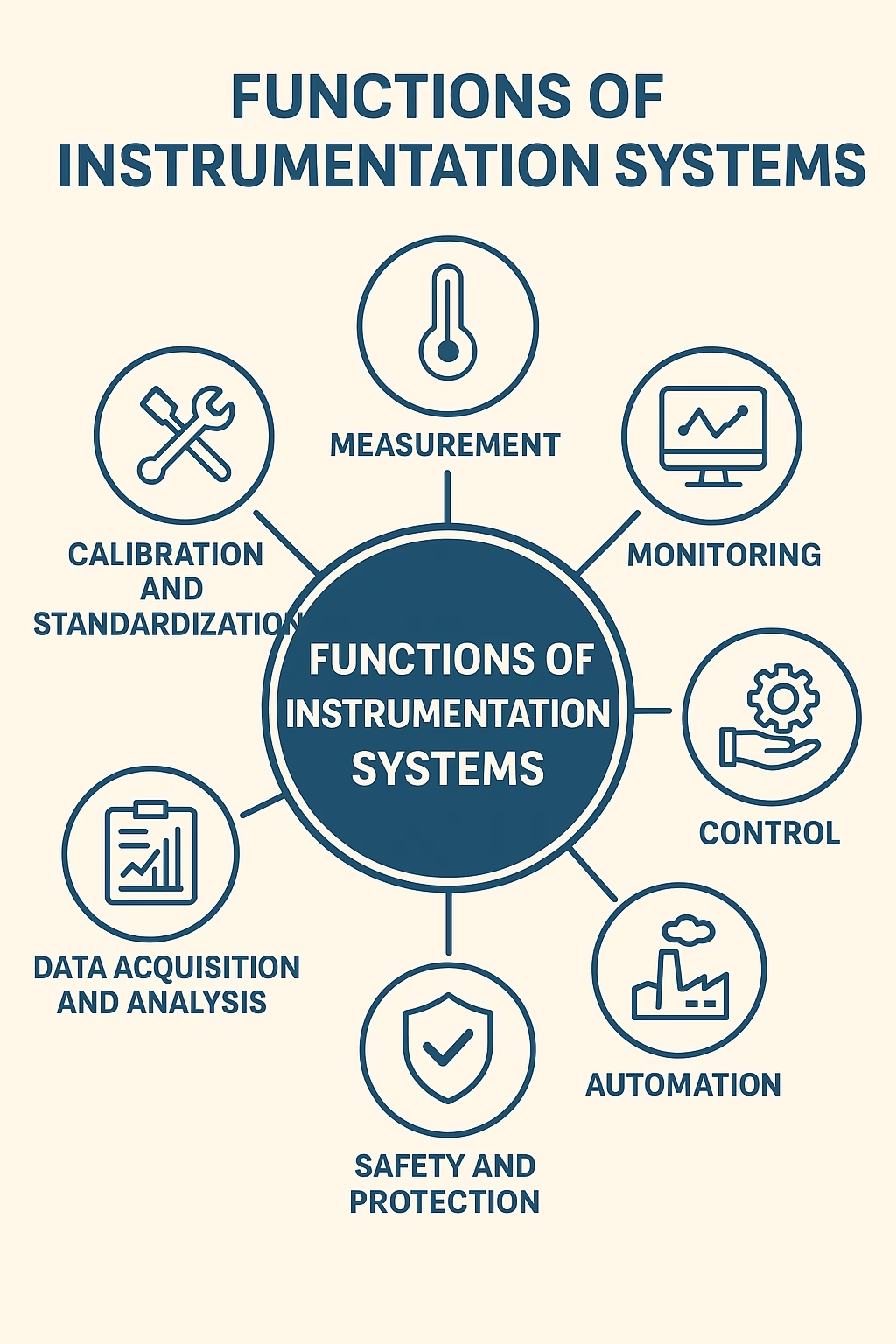
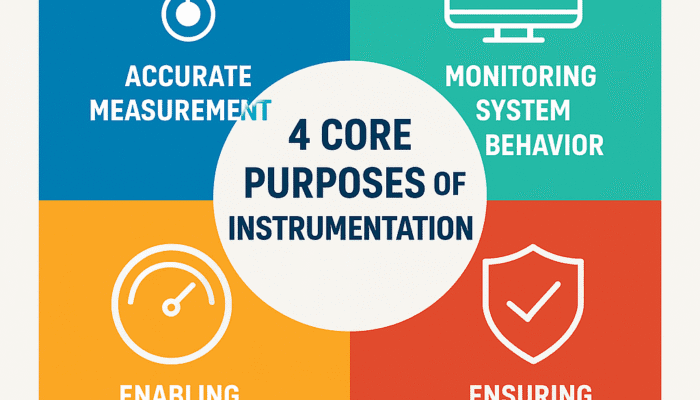
The core purpose of instrumentation can be summarized in four main functions: measurement, monitoring, control, and safety.
a. Core Purpose of Instrumentation: Accurate Measurement
The primary role of instrumentation is to measure process variables with high precision. Reliable data is the foundation of decision-making in engineering. For example:
- In chemical processing, temperature must be measured accurately to ensure reactions occur safely.
- In power plants, pressure measurements are critical to prevent boiler explosions.
Without precise measurements, process control would be impossible.
b. Monitoring System Behavior
Instrumentation provides real-time data on the performance of industrial systems. This continuous monitoring ensures that deviations are detected early, minimizing risks and downtime.
- In oil refineries, flow meters monitor fluid movement through pipelines.
- In pharmaceutical manufacturing, sensors monitor humidity levels to ensure product quality.
Monitoring makes it possible to identify inefficiencies, leaks, or failures before they escalate into costly problems.
c. Enabling Effective Control
Instrumentation serves as the backbone of process control systems. Data collected from instruments is fed into controllers that make automatic adjustments to maintain optimal conditions.
- In HVAC systems, thermostats regulate heating and cooling based on temperature readings.
- In automated factories, PLCs (Programmable Logic Controllers) adjust machinery settings based on sensor feedback.
This closed-loop control ensures consistency, stability, and efficiency in production processes.
d. Core Purpose of Instrumentation: Ensuring Safety
Safety is one of the most critical purposes of instrumentation. Instruments act as protective mechanisms to prevent accidents and hazards.
- Pressure relief valves and alarms protect against equipment overpressure.
- Gas detectors warn of toxic leaks in chemical plants.
- Emergency shutdown systems are activated when unsafe conditions are detected.
By ensuring safety, instrumentation safeguards workers, equipment, and the environment.
Read More about The Core Purpose of Instrumentation: Enhancing Control, Measurement, and Efficiency
3. Importance of Instrumentation in Industry
a. Improving Efficiency
With precise measurements and automated control, industries can optimize resource use, minimize waste, and reduce energy consumption. For instance, in water treatment plants, flow instrumentation ensures that pumps operate efficiently, conserving energy.
b. Enhancing Product Quality
Instrumentation allows industries to maintain strict quality standards by ensuring process variables remain within tolerance limits. In food processing, temperature and pressure monitoring ensure consistency in taste and safety.
c. Reducing Operational Costs
Automation made possible through instrumentation reduces manual intervention, minimizes errors, and lowers labor costs. Predictive maintenance, based on sensor data, prevents expensive equipment failures.
d. Supporting Innovation
Instrumentation is essential in research and development. Scientists and engineers rely on precise measurements to test theories, develop prototypes, and scale up new technologies.
Read More about Instrumentation in Industrial Applications: Enhancing Efficiency, Accuracy, and Safety
4. Core Purpose of Instrumentation Applications
Instrumentation is used across various industries, each with unique requirements:
- Oil & Gas – monitoring pressure, temperature, and flow in drilling and refining.
- Power Generation – controlling turbine speed, steam pressure, and voltage output.
- Pharmaceuticals – ensuring strict compliance with quality standards through precise environmental monitoring.
- Manufacturing – automated assembly lines use sensors to detect faults and ensure efficiency.
- Healthcare – medical instrumentation such as ECG machines and infusion pumps safeguard patient health.
Red More about Applications of Instrumentation: Enhancing Accuracy, Safety, and Efficiency Across Industries
5. The Role of Instrumentation in Automation
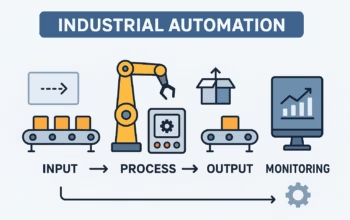
Instrumentation and automation are closely linked. Instruments provide the data, while automation systems act on that data. Together, they form the basis of Industry 4.0, where smart sensors, IoT devices, and AI-driven control systems create self-optimizing industrial environments.
For example:
- Smart factories use IoT-enabled sensors to collect real-time data.
- AI algorithms analyze sensor inputs to predict failures before they occur.
- Automated control loops adjust production processes without human intervention.
Thus, the future of instrumentation lies in integration with digital technologies.
Read More about Instrumentation and Industry 4.0: Driving the Future of Smart Manufacturing
6. Challenges in Instrumentation
Despite its importance, instrumentation faces challenges:
- Calibration Needs – instruments must be regularly calibrated to maintain accuracy.
- Harsh Environments – extreme temperatures, corrosive chemicals, or vibrations can damage sensors.
- Cybersecurity Risks – with IoT-based instrumentation, protecting data and systems from hacking becomes critical.
- High Costs – advanced instrumentation systems can be expensive to implement and maintain.
Addressing these challenges requires innovation, training, and robust maintenance strategies.
Read More about Challenges in Instrumentation: Overcoming Technical and Operational Barriers
7. Future Trends in Instrumentation
The evolution of instrumentation is shaping the industries of tomorrow. Key trends include:
- Wireless Instrumentation – reducing wiring complexity and improving flexibility.
- IoT Integration – enabling real-time data sharing across networks.
- AI and Machine Learning – predictive maintenance and smart control based on advanced analytics.
- Miniaturization – smaller, more precise instruments for medical and scientific applications.
- Sustainability Focus – instruments that help industries reduce emissions and energy consumption.
These trends highlight how instrumentation is moving beyond traditional roles into smart, interconnected systems.
Read More about Future Trends in Instrumentation: Shaping the Next Industrial Revolution
Conclusion of Core Purpose of Instrumentation
The core purpose of instrumentation lies in its ability to measure, monitor, control, and ensure safety across diverse industries. From improving efficiency and product quality to safeguarding lives and supporting innovation, instrumentation is indispensable to modern society.
As industries embrace digital transformation, the role of instrumentation will only grow more critical. Its integration with IoT, AI, and automation ensures that instrumentation will remain the cornerstone of technological progress in the years to come.