In an age dominated by streaming services, podcasts, and social media, many people assume that radio is a fading relic of the past. However, radio remains one of the most enduring and influential mediums in the world. From local FM stations to global online broadcasts, it continues to reach millions every day. This article explores why radio still matters today, highlighting its strengths, adaptability, and unique role in our lives.
1. Why Radio Still Matters Today: A Brief History of Radio’s Rise
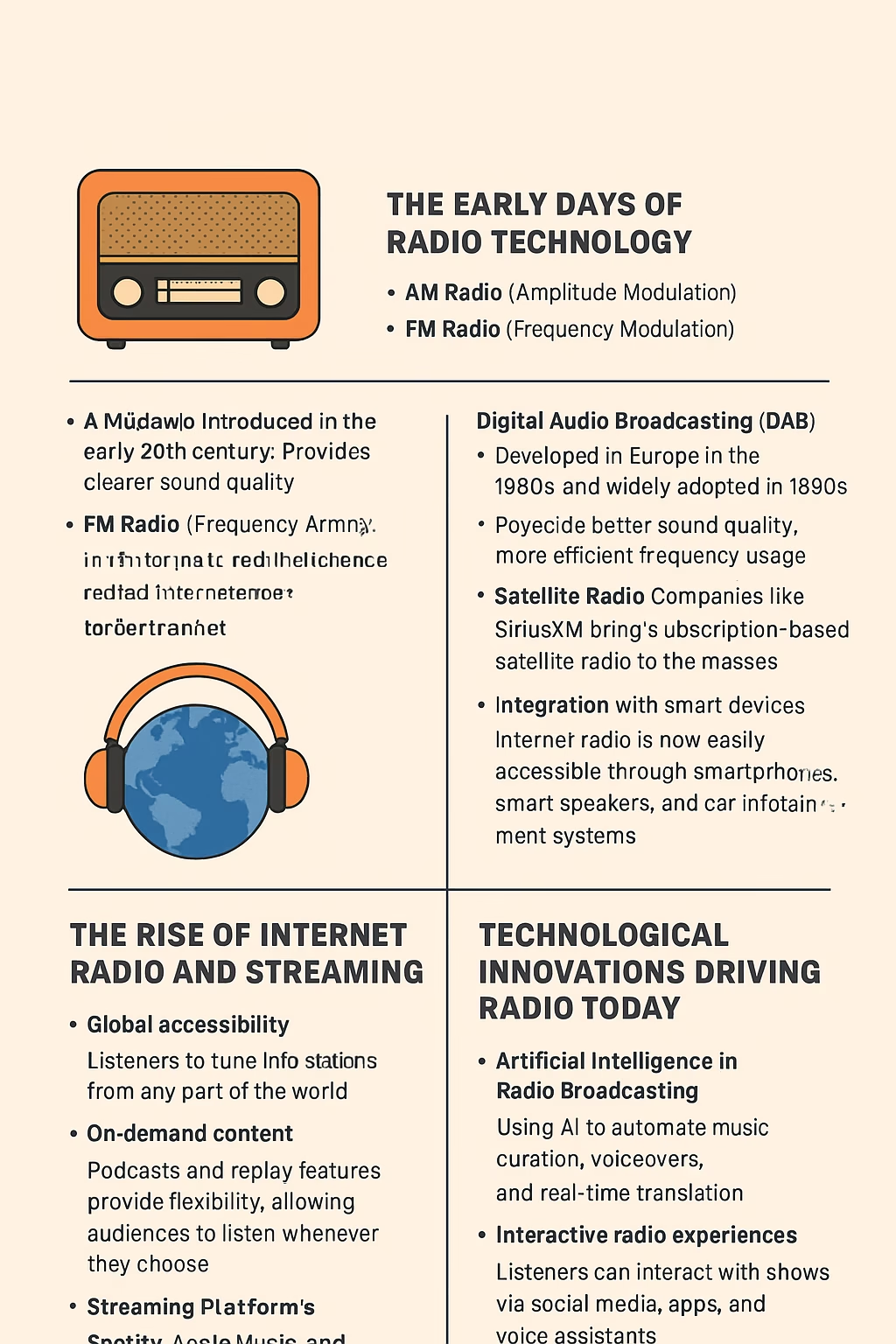
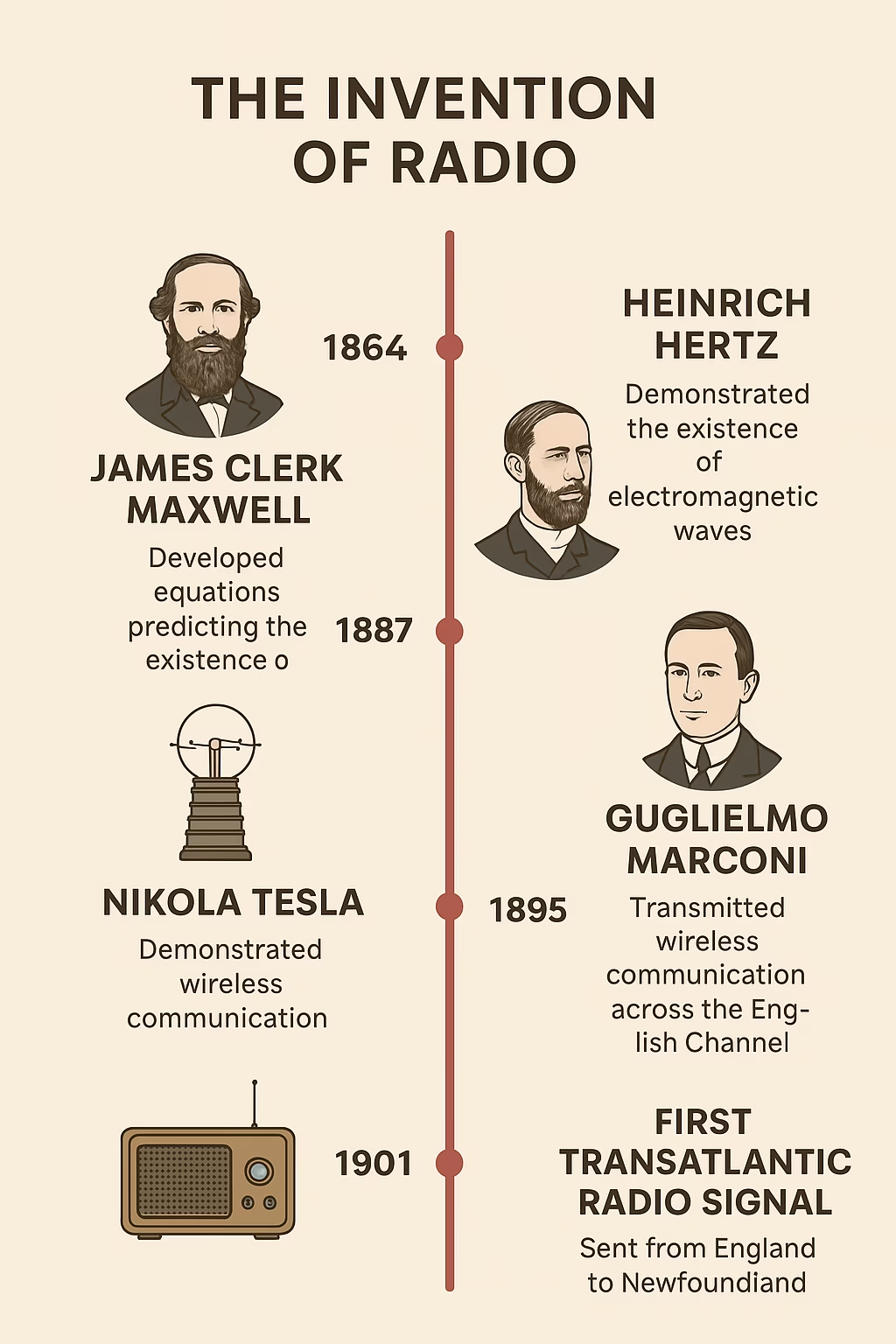
Radio broadcasting began in the early 20th century and quickly became a revolutionary way to share news, music, and entertainment. Before television and the internet, it was the fastest way to communicate information to the masses. Radio has been a witness to historical events, from wartime broadcasts to live concerts, and it played a crucial role in shaping public opinion and culture.
Over the decades, new technologies emerged — television in the 1950s, the internet in the 1990s, and smartphones in the 2000s. Yet, radio adapted each time, integrating new formats and distribution channels.
2. Accessibility and Affordability
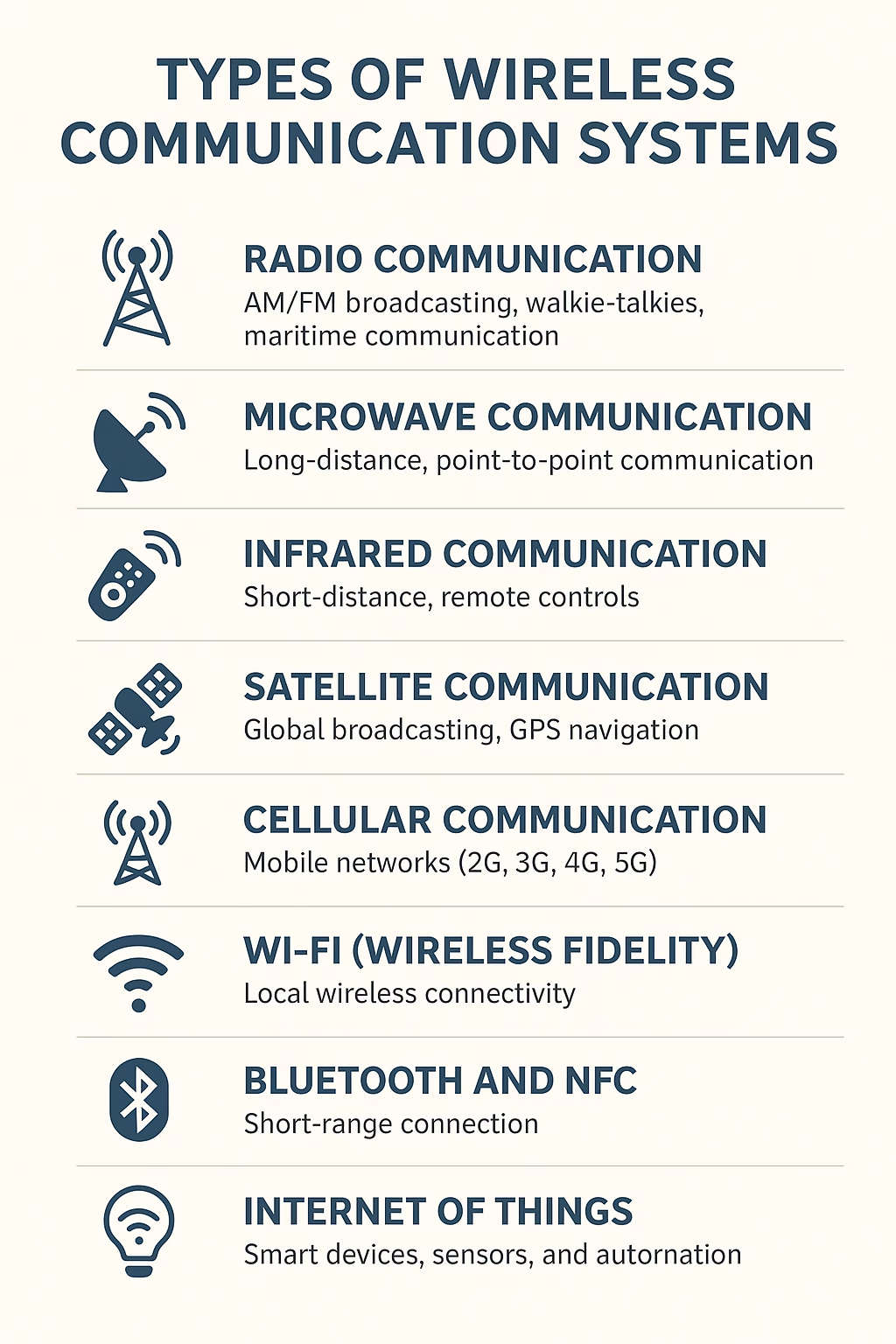
One of the most significant reasons radio remains relevant is its accessibility. Unlike internet-based platforms that require data connections and expensive devices, radio can be accessed with inexpensive equipment and minimal technical knowledge.
- Low cost: FM/AM radios are inexpensive, and online radio streaming is often free.
- No internet required: Traditional radio works even in areas without reliable internet service.
- Wide availability: From cities to remote villages, radio signals can reach places where other communication channels struggle.
This makes radio particularly important in developing countries, rural regions, and during emergencies.
3. Why Radio Still Matters Today: Reliability in Emergencies
When disasters strike, power lines and internet services often fail, but radio broadcasting can continue to operate using backup generators and long-range transmitters. Governments and aid organizations rely on radio to broadcast evacuation orders, safety updates, and survival information.
For example:
- During hurricanes and earthquakes, FM/AM stations keep communities informed.
- Shortwave radio remains vital for international communication when political unrest disrupts regular channels.
- Emergency alerts via radio can reach people instantly without requiring a smartphone or internet connection.
4. Radio as a Companion Medium
Unlike video platforms, radio does not demand your full attention. People listen while driving, cooking, working, or exercising. It fits seamlessly into daily routines, providing entertainment and information without disrupting other activities.
This “background” quality gives radio a unique place in people’s lives:
- Car culture: Millions still rely on car radios for music, talk shows, and traffic updates.
- Work environments: Many workplaces allow radio listening for a pleasant atmosphere.
- Morning routines: Radio shows remain a staple for news, weather, and music while getting ready for the day.
5. Why Radio Still Matters Today: Cultural and Local Connection
Local radio stations are deeply tied to their communities. They highlight local news, promote events, and feature local artists — something global platforms often overlook. This makes radio a powerful tool for preserving cultural identity.
For instance:
- A regional FM station might broadcast traditional music in the local language.
- Local hosts often share humor, traditions, and stories familiar to the community.
- Small businesses rely on radio advertising to reach nearby customers.
6. Adaptation to the Digital Age
While traditional FM/AM broadcasting remains strong, radio has embraced digital technology:
- Online streaming: Most major radio stations now stream live online, expanding their reach globally.
- Podcasts: Many radio shows release episodes as podcasts for on-demand listening.
- Social media integration: Stations engage listeners through polls, contests, and discussions on Facebook, Instagram, and Twitter.
- Smart speakers: Devices like Amazon Echo and Google Nest can play radio stations with voice commands.
By blending tradition with modern platforms, radio has ensured it remains relevant to younger audiences.

7. Why Radio Still Matters Today: Advertising Power and Business Value
For businesses, radio remains a cost-effective advertising medium. Radio ads are often more affordable than television commercials, yet they can target specific audiences through programming choices.
Benefits for advertisers include:
- Targeted demographics: Different stations cater to different music genres, age groups, or interests.
- Local market focus: Radio can effectively reach local customers.
- High frequency: Listeners often hear the same ad multiple times, reinforcing brand recognition.
8. Radio’s Role in Education
In regions with limited access to the internet or printed materials, radio serves as an educational tool. Educational radio programs can teach languages, share farming techniques, or broadcast school lessons — especially important during crises like the COVID-19 pandemic.
Examples include:
- Rural learning initiatives in Africa using radio lessons for schoolchildren.
- Distance learning programs for adult literacy.
- Agricultural education broadcasts for farmers in remote areas.
9. Radio’s Human Touch
One of radio’s greatest strengths is the personal connection between hosts and listeners. Unlike algorithm-driven playlists, live radio offers human-curated content, real-time interaction, and a sense of shared experience.
- Call-in shows: Listeners can share opinions and stories live on air.
- Live interviews: Conversations with experts, musicians, and public figures.
- Community requests: Dedications, greetings, and local shout-outs.
This interactive element builds loyalty and emotional attachment that purely digital platforms often lack.
10. Why Radio Still Matters Today: The Future of Radio
Radio’s future is not about competing with digital media — it’s about integration. Expect to see:
- More hybrid FM/online broadcasting.
- Personalized radio apps that merge live shows with on-demand content.
- AI-driven recommendations while keeping the human voice central.
- Continued growth of community and niche radio stations.
While the format will evolve, the essence of radio — connecting people through sound — will remain.
Conclusion
Radio’s endurance in the digital age is a testament to its adaptability, accessibility, and unique emotional connection with audiences. It continues to inform, entertain, and unite communities worldwide. Whether through a small FM station in a rural town or an online stream reaching global listeners, radio is not just surviving — it’s thriving.
In short, radio still matters today because it remains reliable, relatable, and relevant. The medium may have changed, but its mission — to connect people — is as strong as ever.