Introduction
Instrumentation and IIoT Integration ~ The industrial sector is undergoing a profound transformation with the convergence of Instrumentation and the Industrial Internet of Things (IIoT). By merging precise measurement and control systems with real-time data connectivity, industries are moving toward a new era of smart manufacturing. This integration not only boosts operational efficiency but also improves safety, predictive maintenance, and sustainability.
In this article, we will explore the importance of instrumentation in IIoT, the benefits of their integration, key applications, and best practices for successful implementation.
1. Understanding Instrumentation in Industry
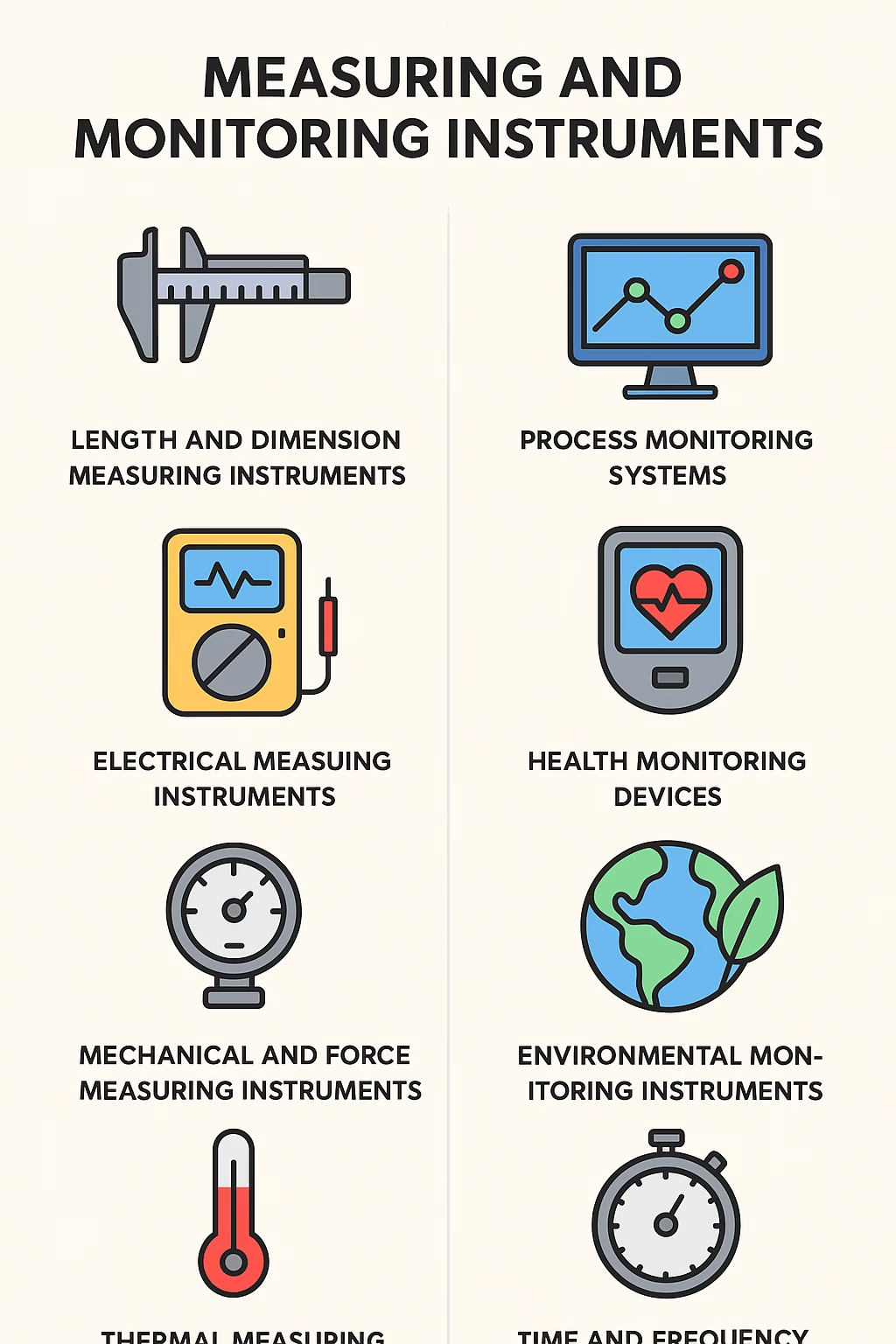
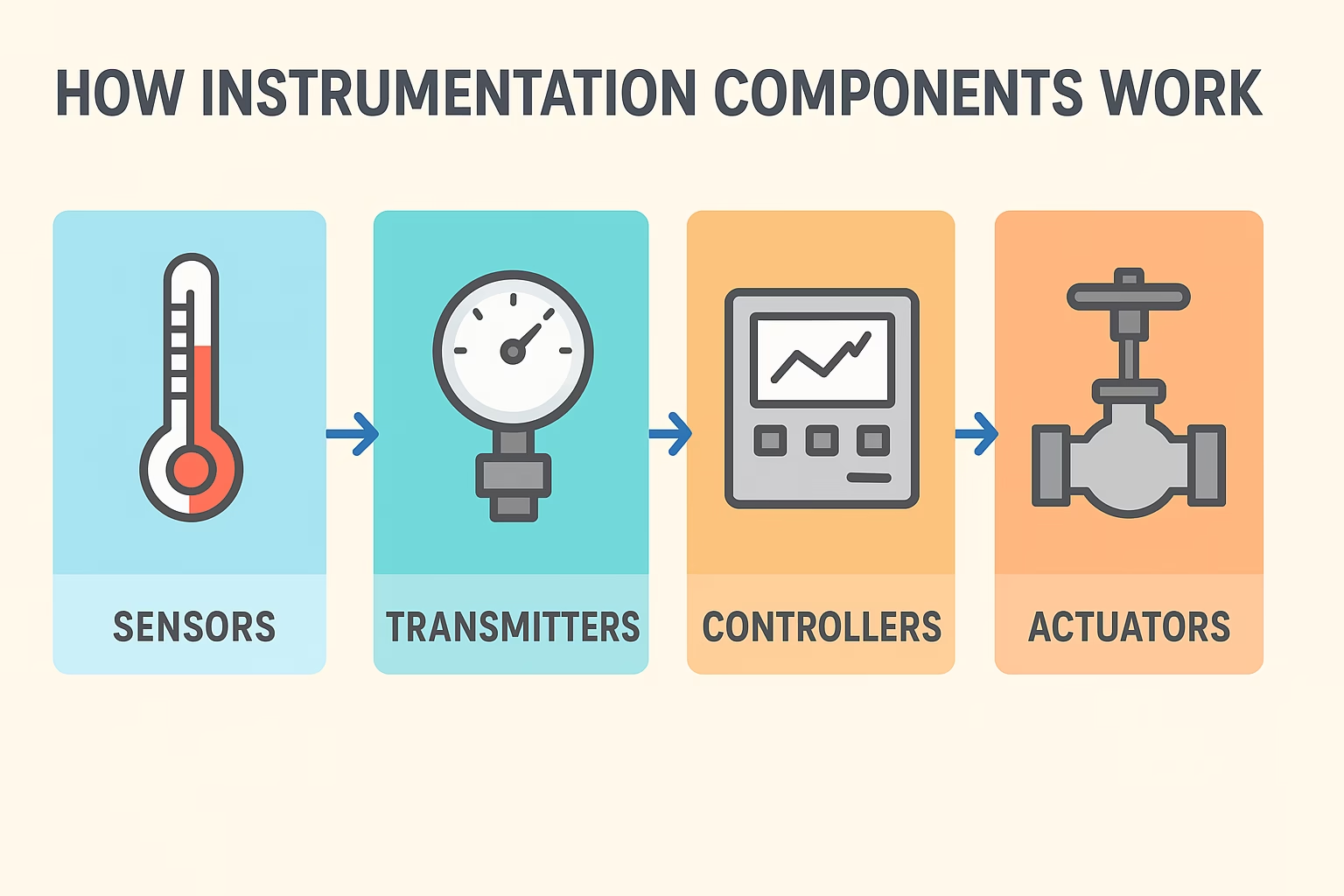
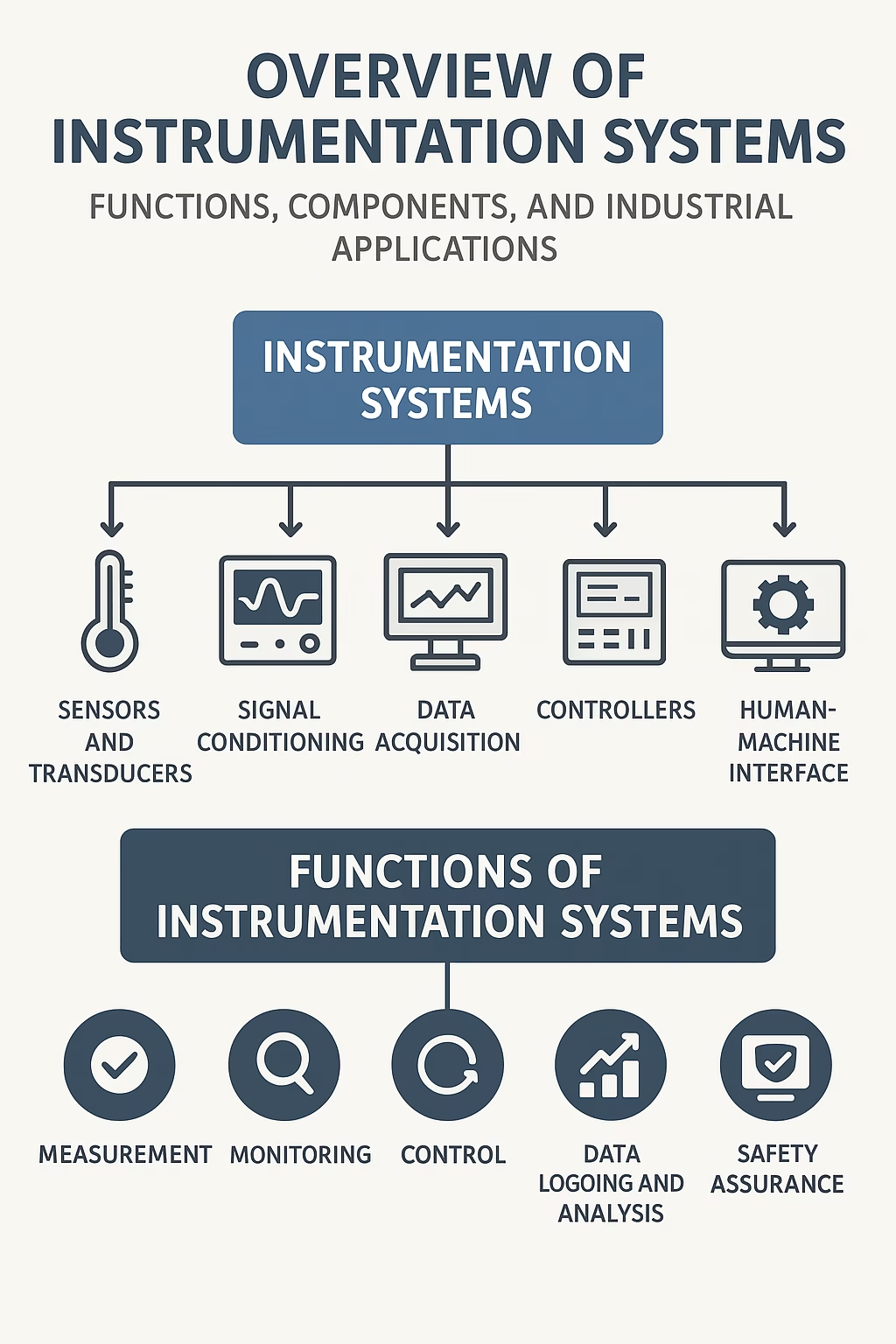
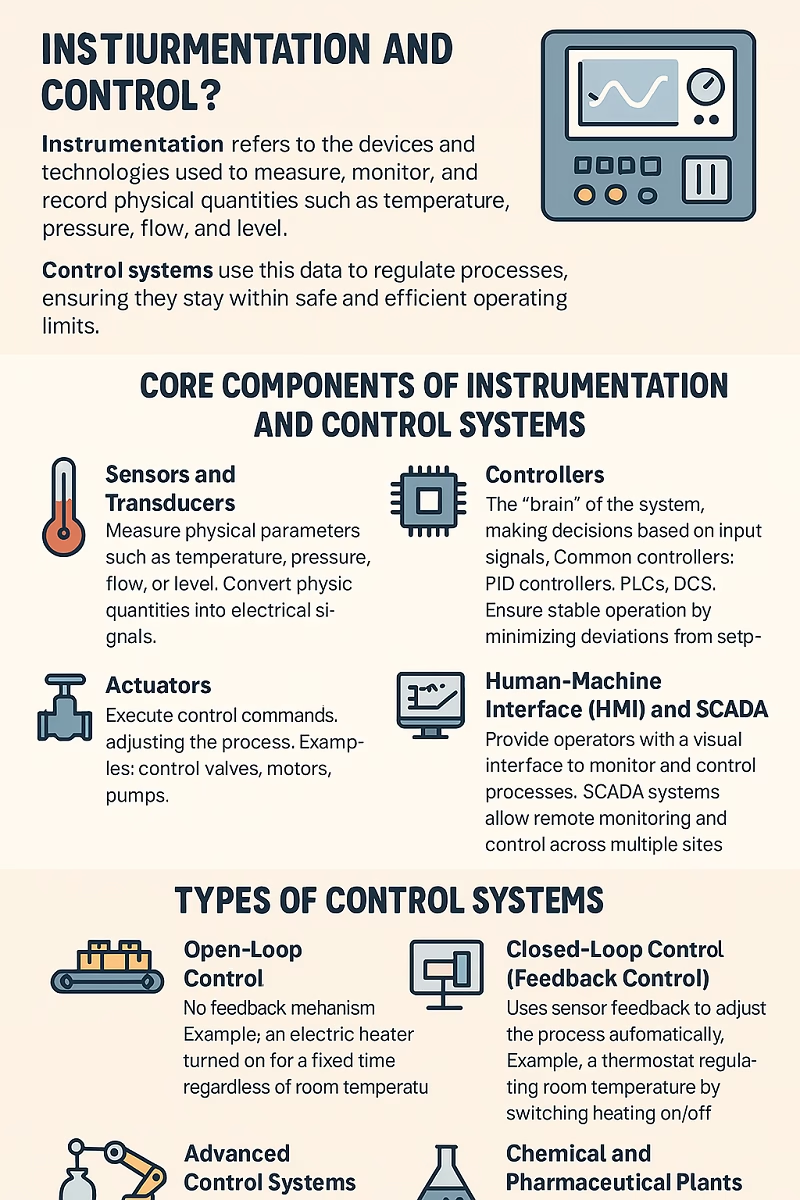
Instrumentation refers to the use of sensors, transmitters, controllers, and monitoring systems to measure and control industrial processes. It involves parameters such as temperature, pressure, flow rate, level, vibration, and chemical composition.
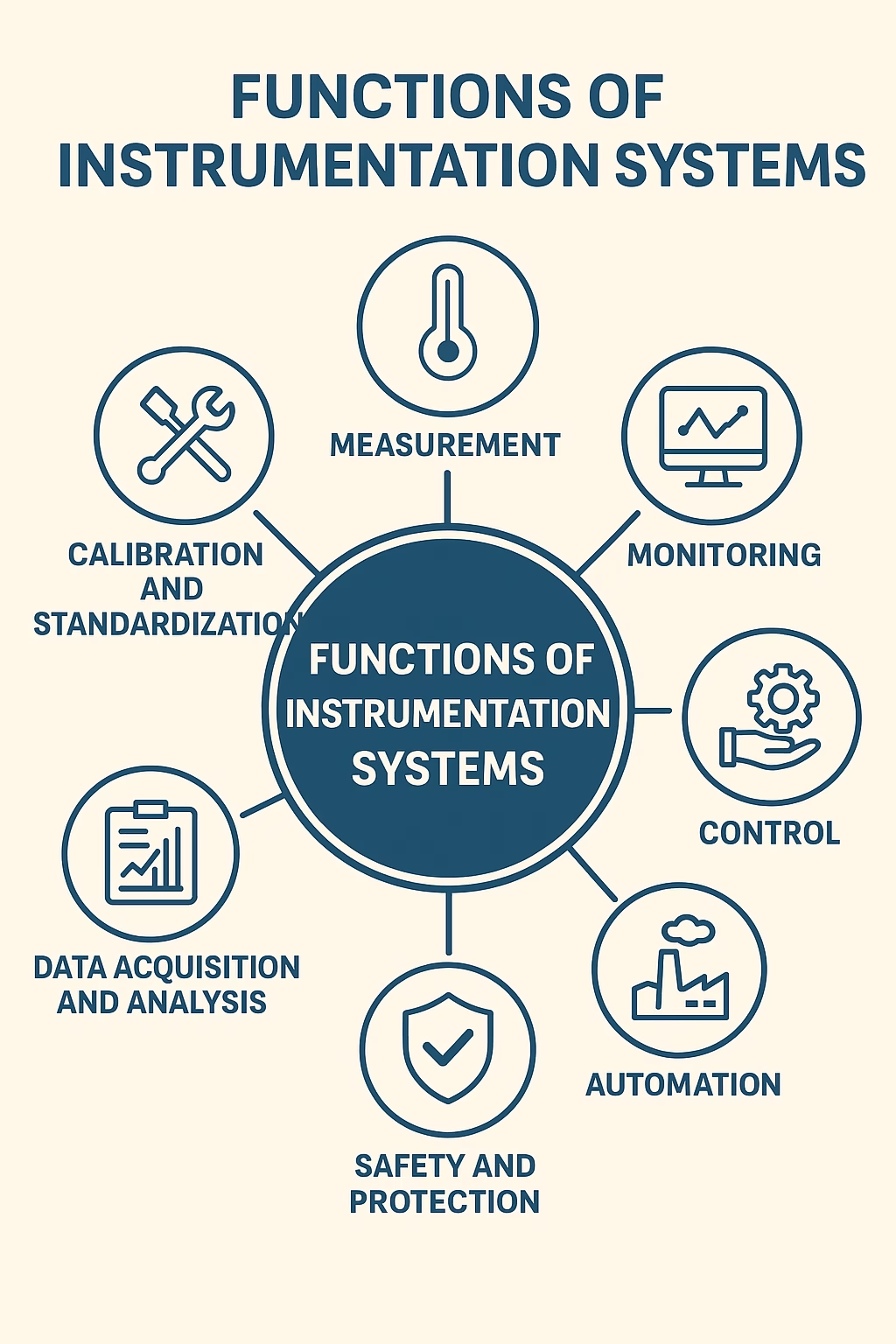
Key Functions of Instrumentation
- Measurement – Capturing accurate data from industrial processes.
- Control – Ensuring parameters remain within desired ranges.
- Monitoring – Providing real-time visibility for operators.
- Automation Support – Enabling machines to self-regulate.
Without instrumentation, industries would struggle to maintain product quality, safety, and energy efficiency.
2. The Industrial Internet of Things (IIoT)
The Industrial Internet of Things (IIoT) refers to the network of connected sensors, instruments, and devices that communicate and share data over the internet. Unlike traditional automation systems, IIoT enables:
- Cloud connectivity
- Advanced analytics
- Machine learning applications
- Remote operations
IIoT extends the capabilities of instrumentation by turning isolated data into actionable insights.
3. Why Instrumentation and IIoT Integration?
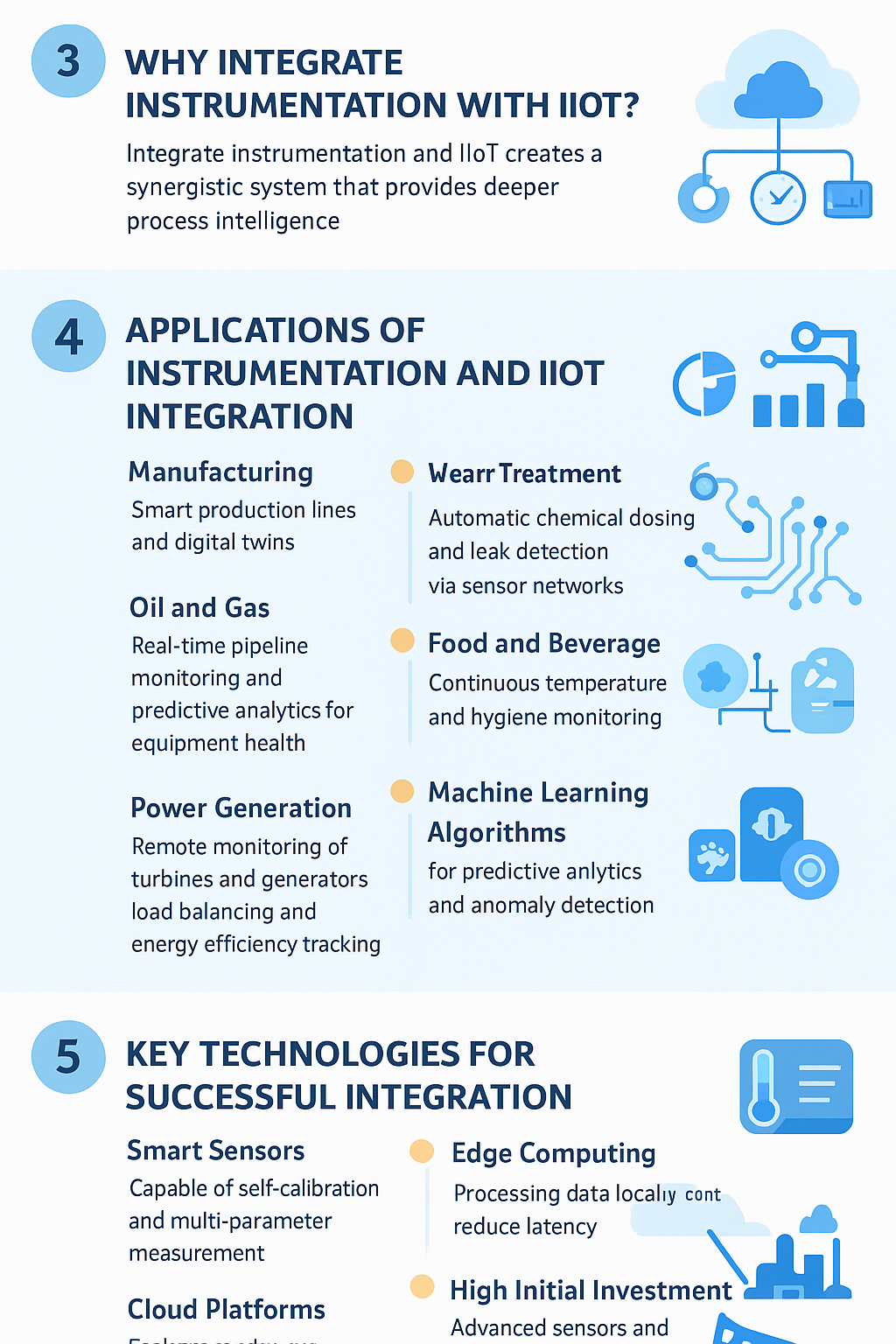
The integration of instrumentation and IIoT creates a synergistic system that provides deeper process intelligence.
Benefits Include:
- Real-Time Process Optimization
Operators can adjust parameters instantly based on live data. - Predictive Maintenance
Vibration sensors, thermal imaging, and pressure data can predict equipment failures before they happen. - Enhanced Safety
Gas detectors, pressure relief systems, and temperature alarms linked to IIoT platforms can prevent accidents. - Energy Efficiency
Smart monitoring identifies energy wastage and optimizes consumption. - Scalable Automation
New devices can be added without major infrastructure changes.
4. Applications of Instrumentation and IIoT Integration
a. Manufacturing
- Smart production lines with automated quality control.
- Digital twins for process simulation and optimization.
b. Oil and Gas
- Real-time pipeline monitoring.
- Predictive analytics for equipment health.
c. Power Generation
- Remote monitoring of turbines and generators.
- Load balancing and energy efficiency tracking.
d. Water Treatment
- Automatic chemical dosing.
- Leak detection via sensor networks.
e. Food and Beverage
- Continuous temperature and hygiene monitoring.
- Production traceability for quality assurance.
5. Key Technologies for Successful Integration
- Smart Sensors – Capable of self-calibration and multi-parameter measurement.
- Edge Computing – Processing data locally to reduce latency.
- Cloud Platforms – For large-scale data storage and analytics.
- Wireless Communication Protocols – LoRaWAN, MQTT, and OPC-UA for secure device connectivity.
- Machine Learning Algorithms – For predictive analytics and anomaly detection.
6. Challenges in Implementation Instrumentation and IIoT Integration
While the benefits are clear, integration can face hurdles:
- Cybersecurity Risks – Connected devices can be vulnerable to hacking.
- Compatibility Issues – Legacy instrumentation may lack connectivity.
- High Initial Investment – Advanced sensors and IIoT platforms require upfront costs.
- Skill Gaps – Workers need training in both instrumentation and data analytics.
7. Best Practices for Instrumentation and IIoT Integration
- Conduct a Needs Assessment – Identify priority processes for integration.
- Use Scalable Solutions – Choose platforms that can grow with your operations.
- Prioritize Security – Implement encryption and network segmentation.
- Train Staff – Ensure operators understand both the hardware and analytics tools.
- Pilot Projects – Start small before scaling up across the facility.
8. The Future of Instrumentation and IIoT Integration
Looking ahead, advancements such as AI-driven automation, self-healing systems, and blockchain-based data security will further enhance the potential of instrumentation and IIoT. Industries that adopt these technologies early will gain a significant competitive advantage.
Conclusion of Instrumentation and IIoT Integration
The integration of Instrumentation and IIoT is revolutionizing industrial operations. By combining accurate measurement with intelligent connectivity, industries can achieve unprecedented levels of efficiency, safety, and productivity. While challenges exist, strategic planning and adoption of best practices will pave the way for smarter, more sustainable industrial systems.