Introduction
Instrumentation plays a fundamental role in monitoring, measuring, and controlling physical quantities in both industrial and scientific environments. From simple thermometers to complex automation systems in power plants, this the backbone of modern process control and engineering. This article will explore the principles behind instrumen-tation, key components, various applications, and the future of this critical field.
1. What is Instrumentation?
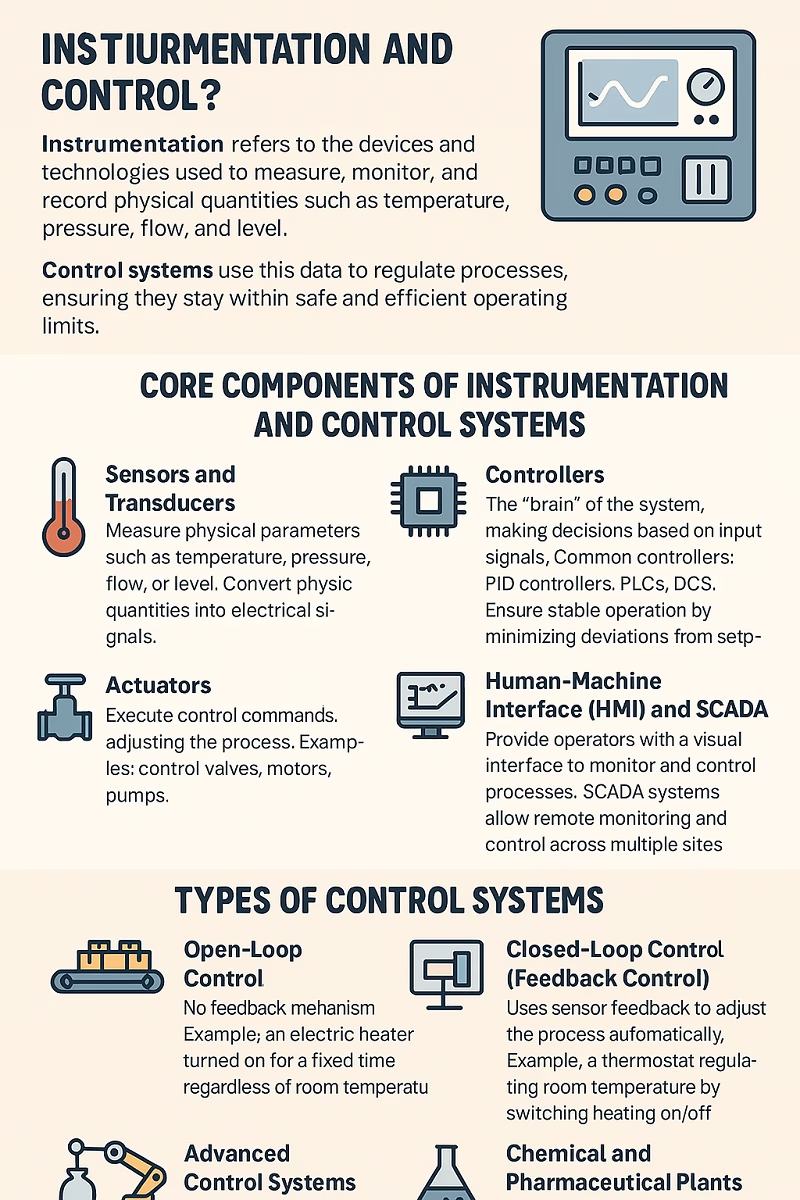
Refers to the science and technology of measurement and control. It involves the design, configuration, and maintenance of instruments and systems used to monitor and control engineering systems, manufacturing processes, and research experiments.
In general, an in system:
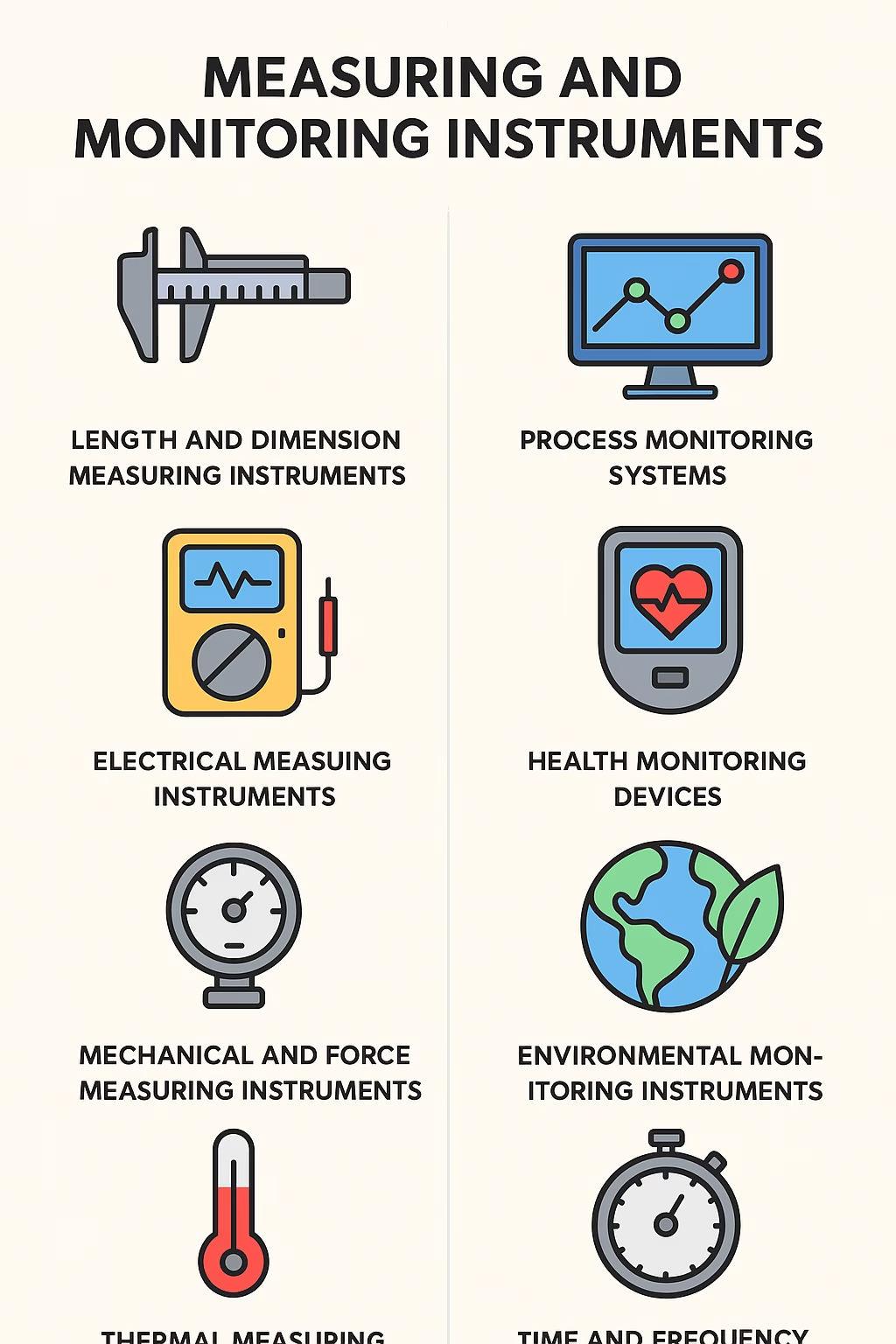
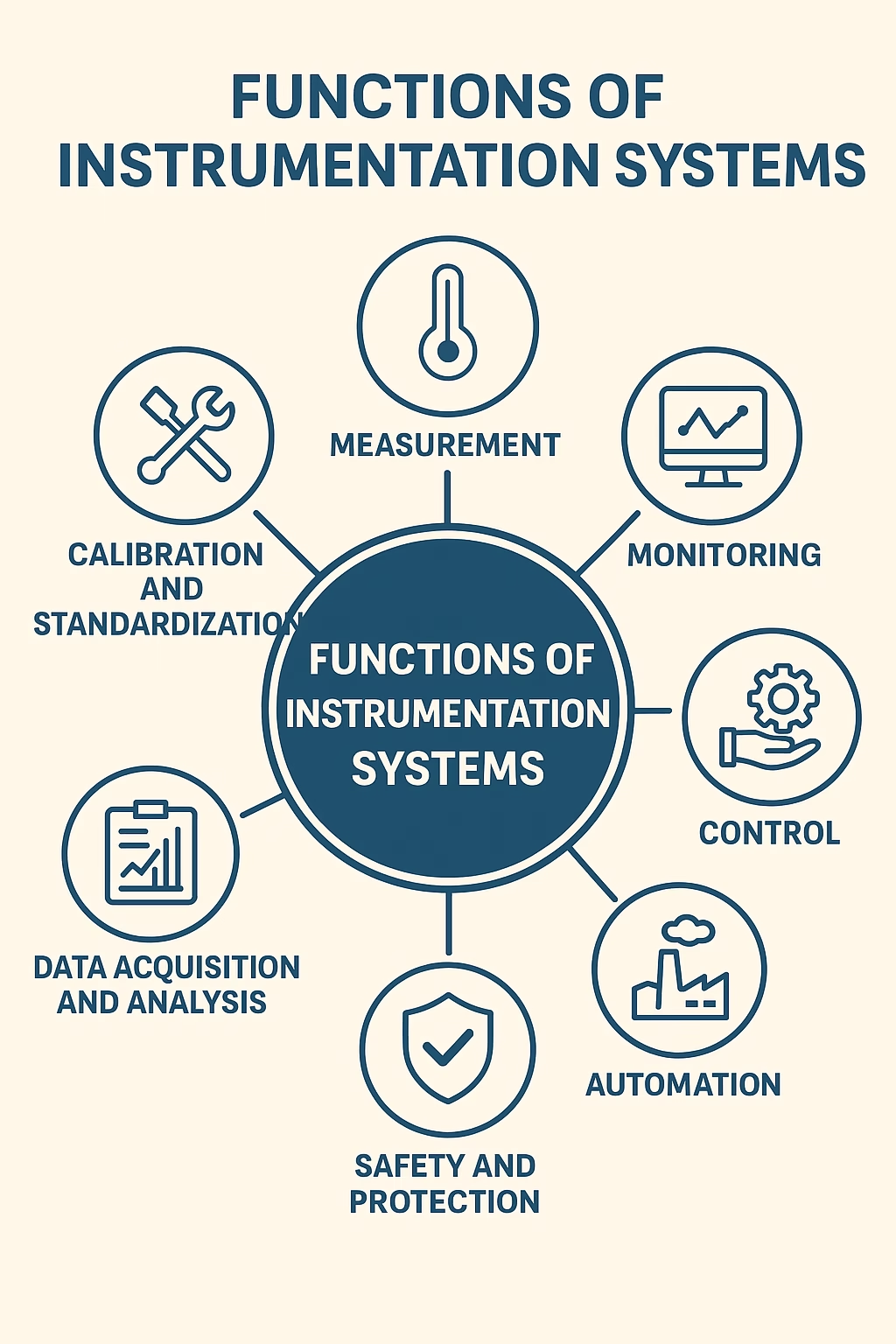
- Measures physical quantities such as temperature, pressure, flow, level, speed, and force.
- Converts signals into readable or controllable forms.
- Transmits and processes data for control systems or user interfaces.
More details in the following article: What is Instrumentation? A Complete Guide to Principles, Types, and Applications
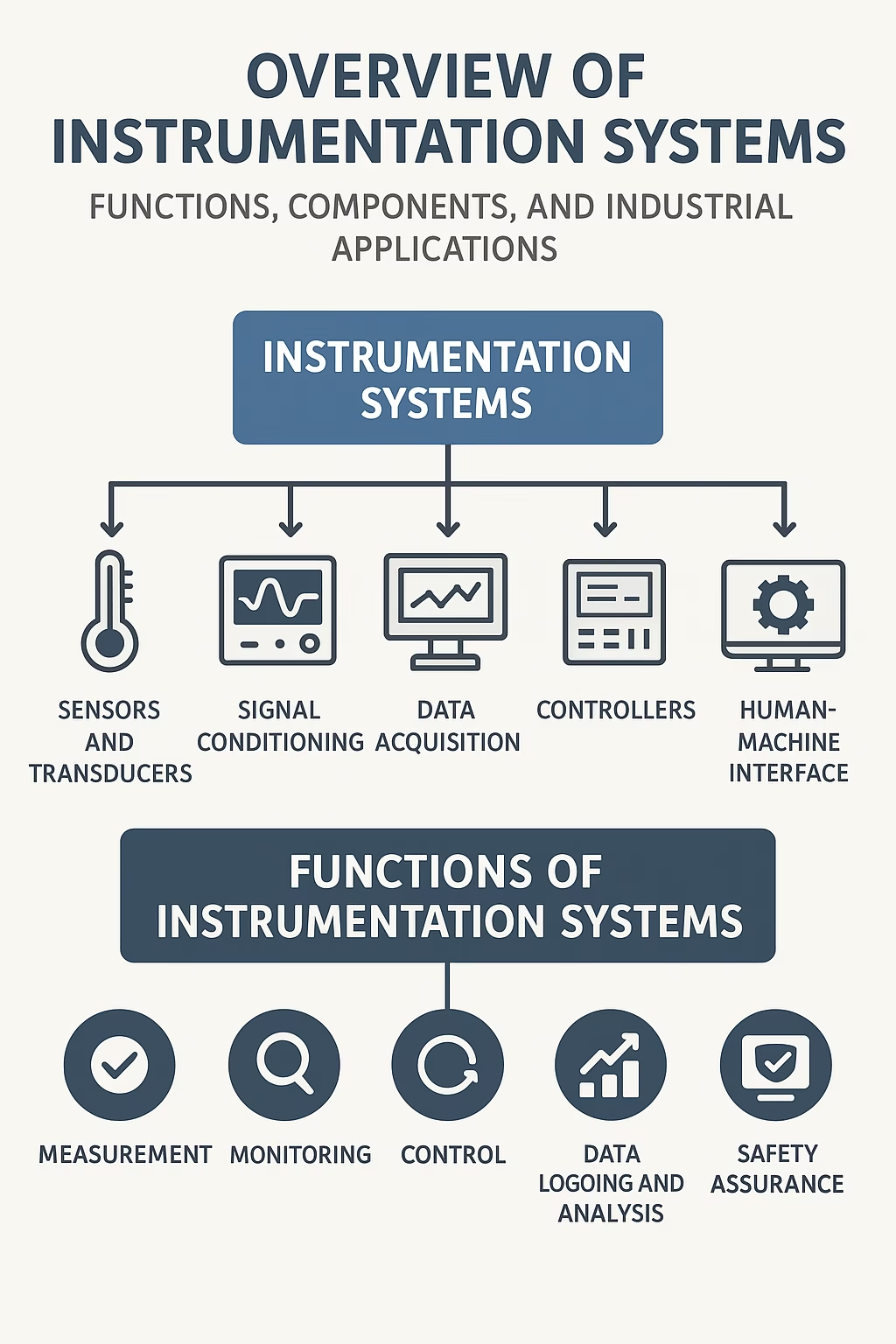
2. Core Components of Instrumentation Systems
2.1. Sensor or Transducer
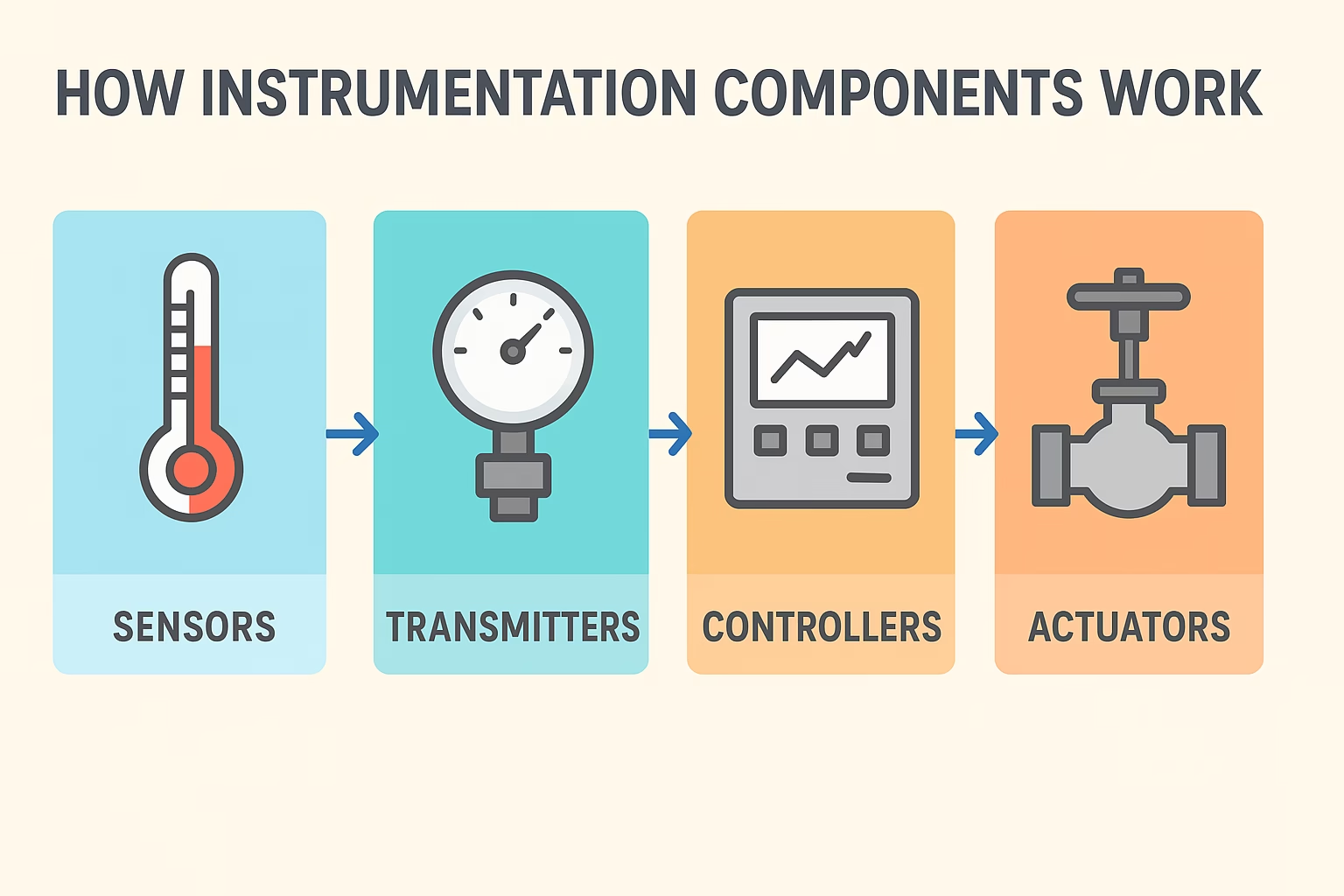
A sensor detects a physical quantity (e.g., temperature, pressure) and converts it into an electrical signal. Common transducers include:
- Thermocouples (temperature)
- Strain gauges (force)
- Flow meters (flow rate)
- Pressure sensors
2.2. Signal Conditioner
This component processes the signal from the sensor by amplifying, filtering, or converting it. For example, a signal conditioner may convert an analog signal into digital format.
2.3. Display or Output Device
Devices like digital displays, analog gauges, or computer screens show the measured value. In control systems, output may also include actuators or alarms.
2.4. Control System (Optional)
In many applications, measured data is fed into a control system (e.g., PLC, DCS, SCADA) that adjusts system parameters to maintain optimal performance.
More details in the following article: Core Components of Instrumentation Systems: Functions and Applications
3. Types of Instrumentation
3.1. Analog
Instruments that provide continuous output, typically with mechanical or analog signals. Examples: pressure gauges, analog thermometers.
3.2. Digital
Instruments that use digital technology to process, display, and store data. Examples: digital multimeters, smart sensors, and digital controllers.
3.3. Process
Used in industrial environments to monitor and control production processes. This includes instruments for temperature, flow, level, and pressure control.
3.4. Biomedical
Used in healthcare to measure physiological parameters. Examples: ECG machines, blood pressure monitors, and pulse oximeters.
More details in the following article: Understanding the Different Types of Instrumentation in Modern Industry
4. Applications of Instrumentation in Different Industries
4.1. Oil and Gas Industry
Instrumen-tation is critical in drilling, refining, and transporting oil and gas. Accurate measurement of flow, pressure, and level ensures efficiency and safety.
4.2. Manufacturing and Automation
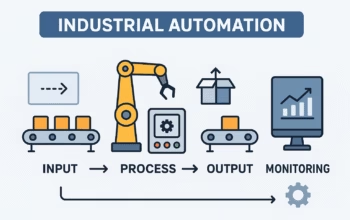
Instruments in factories are used to monitor and control temperature, humidity, motor speeds, robotic movement, and production lines.
4.3. Power Generation
Power plants use a wide range of sensors and controllers to maintain optimal operation of turbines, boilers, and generators.
4.4. Aerospace and Defense
Precision instruments are used to monitor altitude, airspeed, fuel levels, and control mechanisms in aircraft and spacecraft.
4.5. Environmental Monitoring
This systems help track air quality, water levels, emissions, and climate conditions for environmental compliance.
More details in the following article: Applications of Instrumentation: Enhancing Accuracy, Safety, and Efficiency Across Industries
5. Benefits of Effective Instrumentation
- Enhanced Accuracy: Reliable data collection improves system performance.
- Automation Support: Instruments enable automated responses to changes in process conditions.
- Safety Improvements: Monitoring hazardous parameters prevents accidents and environmental damage.
- Process Optimization: Continuous data feedback allows for real-time control and increased efficiency.
- Cost Savings: Predictive maintenance based on data reduces downtime and repair costs.
More details in the following article: The Benefits of Effective Instrumentation for Industrial Performance and Safety
6. Challenges in Instrumentation
- Sensor Drift and Calibration Needs
- Data Noise and Signal Interference
- Environmental Conditions (e.g., temperature, humidity)
- Integration with legacy systems
- Cybersecurity in Smart Instruments
More details in the following article: Challenges in Instrumentation: Overcoming Technical and Operational Barriers

7. Instrumentation and Industry 4.0
With the emergence of smart manufacturing and Industry 4.0, this evolving rapidly:
- IoT Integration: Sensors are now networked for real-time communication.
- Cloud-Based Monitoring: Remote access and analysis of data.
- Edge Computing: Processing data locally at the sensor level for faster response.
- Artificial Intelligence: Predictive analytics and machine learning are optimizing control strategies.
- Wireless Instrumen-tation: Reducing wiring complexity and allowing flexible system configurations.
More details in the following article: Instrumentation and Industry 4.0: Driving the Future of Smart Manufacturing
8. Future Trends in Instrumentation
8.1. Smart Sensors
Self-calibrating, self-diagnosing sensors that communicate with other devices will dominate future instrumen-tation systems.
8.2. Miniaturization
Instruments are becoming smaller, more power-efficient, and easier to integrate into wearables or portable devices.
8.3. Sustainability Focus
Green instrumen-tation technologies will enable better environmental monitoring and reduce resource consumption.
8.4. Enhanced Cybersecurity
As instruments become more connected, secure communication protocols will become a top priority.
More details in the following article: Future Trends in Instrumentation: Shaping the Next Industrial Revolution
9. Instrumentation Careers and Skills
Professionals in instrument require a mix of technical knowledge and hands-on experience. Key roles include:
- Instrumentation Engineer
- Control Systems Engineer
- Automation Technician
- Calibration Specialist
Key skills:
- Understanding of sensors and control theory
- Programming (e.g., PLC, SCADA systems)
- Data analysis and signal processing
- Electrical and mechanical troubleshooting
More details in the following article: Instrumentation Careers and Skills: Building a Future in Industrial Automation
Conclusion
Instrumentation is a cornerstone of modern engineering, enabling precision, safety, and efficiency in a wide range of applications. As technology continues to advance, the role of will only grow more central—bridging the gap between the physical world and digital systems. Businesses that invest in high-quality and skilled personnel are better equipped to compete in a rapidly evolving industrial landscape.